North Korea accelerates nuclear program with five missile tests in two months
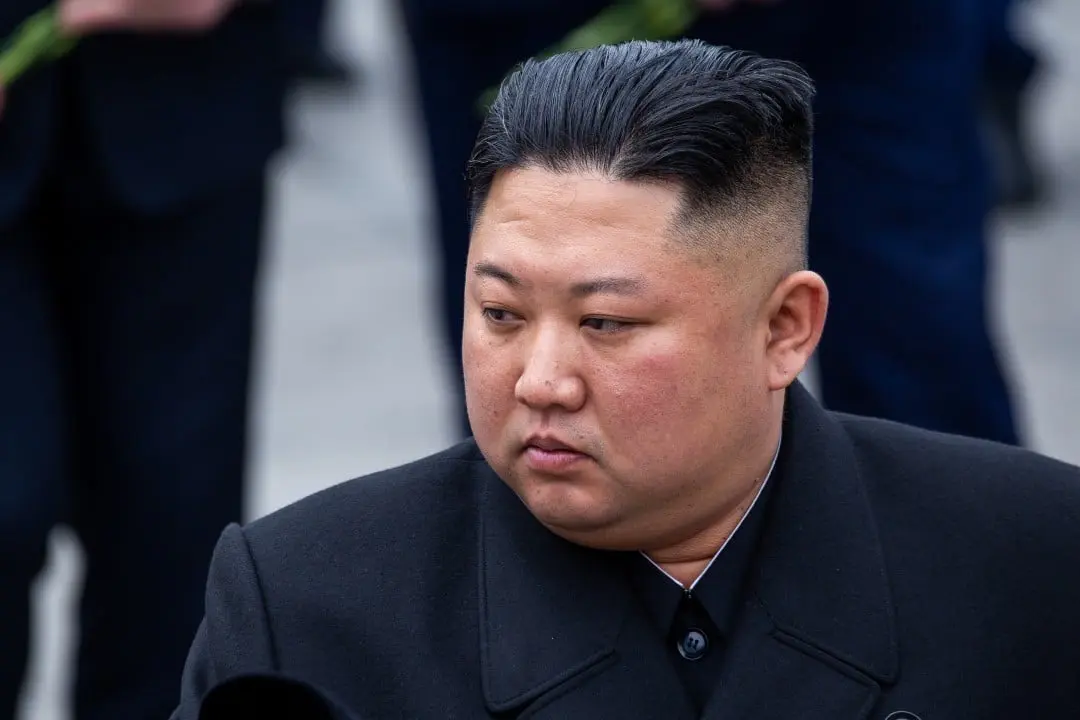
Norte’s Coreia has stepped up its weapons testing over the past two months, firing five missiles since late February. The period coincides with the escalation of tensions between Estados Unidos and Irã, creating a geopolitical vacuum that Pyongyang takes advantage of to advance its nuclear arsenal. Analistas consulted by AFP point out that the North Korean regime uses this chaotic scenario to consolidate its military capabilities without immediate diplomatic pressure.
The regime took advantage of a context of weakening international standards. Especialistas describe the current situation as a “lawless land”, where existing rules lose effectiveness. Coreia of Norte occupies this space to complete its nuclear and ballistic missile development program, with direct supervision from leader Kim Jong-un in recent events.
Quatro tests concentrated in April set a monthly record
Abril stood out as the period of greatest military activity since January 2024. Quatro of the five launches occurred that month, establishing a new level of test frequency. The shots included short-range ballistic missiles, anti-ship systems and cluster munitions, as well as a long-range projectile engine evaluated in March.
The tests followed a promise made publicly by Kim Jong-un to expand nuclear capabilities. The North Korean military has tested fragmentation warheads capable of covering wide areas, advanced structures for ship-launched cruise missiles and solid-fuel engines. Esse last system has a range capable of reaching the mainland of Estados Unidos, equipped to carry multiple and heavier warheads.
The launches started from strategic locations such as Sinpo, on the east coast of the country. The South Korean and Japanese militaries monitored all episodes without registering direct threats to their territories. Nenhum projectile arrived close to the occupied or militarily sensitive areas of Seul and Tóquio.
More on this story: Zelensky denounces North Korea for reinforcing Russia with missiles and up to 50,000 soldiers
Estratégia of Pyongyang adapts to global geopolitical changes
Lim Eul-chul, researcher at Universidade Kyungnam, analyzes the scenario as a period without clear rules between powers. Existing international norms no longer work, leaving room for Norte’s Coreia to complete its arsenal without diplomatic interference. Hong Min, from Instituto Coreano to Unificação Nacional, complements this analysis by stating that the tests convey the message of definitive consolidation as a nuclear power.
Coreia of Norte condemned the attacks by Estados Unidos and Israel against Irã. The regime avoided, however, direct criticism of American President Donald Trump. Não There are confirmed records of North Korean weapons being sent to Teerã, despite rhetorical coordination between the regimes.
Pyongyang’s moves reflect an adaptation to the new relationships between Washington, Moscou, and Pequim. The nuclear program combines strategic deterrence with modern conventional capabilities. Essa approach aims to complicate adversary defenses and offer multiple response options in conflict scenarios. Coreia’s Norte draws lessons from ongoing conflicts, including the use of saturation munitions against air defense systems.
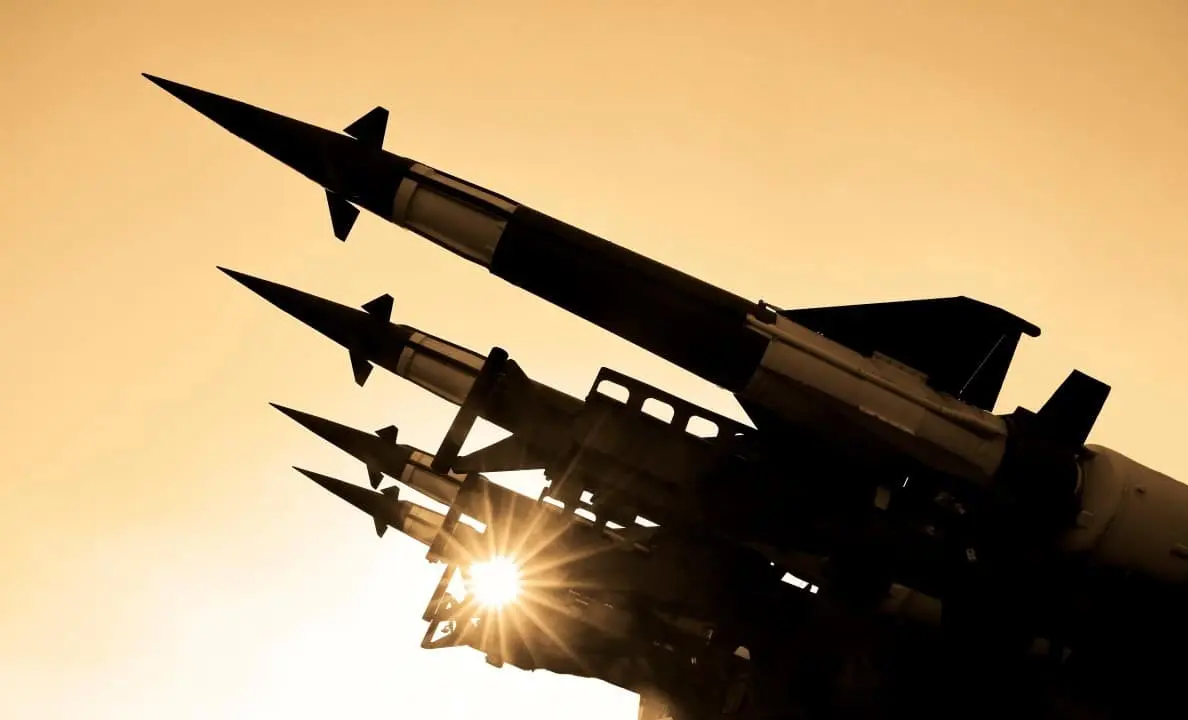
Aliança with Rússia provides technological and economic support
The rapprochement between Pyongyang and Moscou has gained strength in recent months. North Korean Tropas and war materiel support Russian operations in another major conflict. In return, Norte’s Coreia receives advanced technological support, economic assistance and access to markets previously closed by international sanctions.
On the same topic: Moscow declares emergency in Crimea after intense drone attacks on the peninsula, raising regional tension
Kim Jong-un publicly highlighted the “invincible alliance” with Rússia. Especialistas note that the understanding goes beyond conventional weapons, including nuclear and missile knowledge transfer. The agreement benefits both sides immediately and strategically. Moscou gains military capabilities for its current operations, while Pyongyang gains support to complete its arsenal.
See Also

Indonesia: earthquake leaves more than 40,000 homeless and raises alert for aftershocks

List of Marvel films before Doomsday to watch in order and understand the real mystery of the saga

Influencer Molly-Mae Hague is frightened by a bird attack during a meal at a luxury hotel in Dubai
Coreia of Norte works on more advanced systems in parallel with conventional development. A recent test involved a solid fuel engine for an intercontinental range missile. The development points to multiple warheads and greater penetration capacity in defense systems. Esses advances consolidate Pyongyang’s position as a nuclear actor of regional and global importance.
Regional Tensões rise with tougher rhetoric
Sul’s Coreia and Japão are following North Korean movements with growing concern. Seul has strengthened its defense partnerships with Estados Unidos, including real-time intelligence sharing. Tóquio and Washington coordinated joint military exercises even during Pyongyang’s missile launches.
The North Korean regime responds with accusations of hostility against Seul. Pyongyang’s tone has hardened significantly since early 2024. Especialistas consulted project that testing should continue in line with the nuclear development timeline. Agência Internacional of Energia Atômica has already warned of “very worrying” advances in the North Korean nuclear program, with particular attention to the Yongbyon plant, the center of fissile material production.
Learn more: Russia turns to North Korea to contain military recruitment crisis
North Korean provocations also serve to demonstrate capabilities to potential international partners. Norte’s Coreia works on weapons systems that may be of interest to buyers in less regulated markets. The country systematically learns from recent conflicts, adapting tactics and technologies.
Cenário future points to continued testing
Kim Jong-un repeated several times that the nuclear program is irreversible. Coreia of Norte maintains a firm stance against negotiations that require the dismantlement of its nuclear arsenal. Circulam speculated about a possible meeting between Kim Jong-un and Donald Trump during a summit at China scheduled for May, but neither side has confirmed the information so far.
The global scenario keeps the American focus on Oriente Médio, creating a window of opportunity for Pyongyang to move forward without immediate diplomatic pressure. Analistas note that the regime prioritizes internal strengthening before considering any dialogue with Washington. The coming months should reveal whether Pyongyang maintains the rapid pace of testing or strategically reduces frequency.
Full coverage: Latest News (EN)
The following are the main elements of the North Korean tests carried out:
- Mísseis short-range ballistic missiles fired towards the sea and uninhabited areas
- Sistemas anti-ship tested with ability to reach moving targets
- Fragmentation Munições with Wide Area Coverage Capability
- Motor for long-range solid-fuel missile evaluated in March
- Ogivas precision tactics and systems for multiple launch platforms
The North Korean nuclear program follows a path parallel to conventional development. The strategy combines nuclear deterrence with modern conventional capabilities to complicate the defenses of regional and global adversaries. The regime simultaneously invests in tactical and strategic weapons, creating multiple layers of threat.