
Meteorological agency issues warning of heavy rain and intense winds for Japan on holiday
The passage of a low atmospheric pressure system and cold fronts causes severe instability in a large part of Japanese territory at the beginning of May. Japão’s Agência Meteorológica issued warnings for the risk of torrential rain, storm-force winds and electrical discharges in several provinces. The climate phenomenon coincides with the period of Golden Week. Milhões of people travel around the country at this time of year. Authorities ask for increased attention to public transport drivers and passengers.
The advance of heavy clouds changes the routine of residents and tourists who planned outdoor activities. Especialistas point out that the combination of warm air at the surface and cold currents at altitude creates the ideal scenario for sudden storms. The risk of natural disasters increases considerably in mountainous and coastal areas. Moradores from risk areas already receive preventive guidance. The official recommendation is to avoid unnecessary travel during peak precipitation.
Áreas most affected and geological risks
The frontal system advances from the west to the east of the archipelago, first reaching the regions of Kyushu and Shikoku before moving to Kanto and Tohoku. The forecast indicates accumulated volumes of rain that could exceed the historical average for the month in a short period of hours. Soggy soil raises the alert level for landslides. Enchentes in small and medium-sized rivers also worries rescue teams. The situation requires constant monitoring.
On the same topic: Intense rains and strong winds hit Rio Grande do Sul with new cyclone and cold front
Authorities mapped the areas most likely to experience serious incidents during the storm’s passage. Evacuation warnings can be issued at any time by local governments. The population must keep emergency kits ready. Key points of attention include:
- Regiões of Shikoku, Kanto and Ilhas Izu with high risk of flash floods and landslides on slopes.
- Províncias of Kinki, Chugoku and Tokai under high alert for severe electrical storms and hail.
- Áreas Hokkaido coastal facing intense winds and sea disturbances dangerous for small vessels.
- Acumulados of rain exceeding 150 millimeters predicted for the eastern part of the country in less than a day.
The urban infrastructure of large cities also undergoes tests with the expected volume of water. Sistemas drainage systems operate at maximum capacity to prevent flooding on expressways and tunnels. Motoristas encounter reduced visibility on highways. Prudence behind the wheel saves lives in these adverse conditions.
 First tests of Apple’s foldable cell phone reveal robust hinge The global technology market awaits with great anticipation the Cupertino giant's next major autumn event, which promises to redefine the brand's portfolio. With just a few weeks to… In Latest News (EN) · 26/08/2026 |
 Magnitude 5.1 earthquake shakes Colombia and prompts evacuations in Bogotá An earthquake of magnitude 5.1 was recorded in Colombia on August 26, with its epicenter located in Los Santos, in the Santander region. The tremor was noticed in… In Latest News (EN) · 26/08/2026 |
 Tim Curry, iconic ‘Rocky Horror Picture Show’ and Pennywise actor, dies at 80 Tim Curry, the acclaimed British actor known for portraying Dr. Frank-N-Furter in the cult classic “The Rocky Horror Picture Show,” has passed away at his home in Los… In Latest News (EN) · 26/08/2026 |
Impactos direct in transport and logistics
Bad weather directly affects the country’s transport network at one of the busiest times of the year. Companhias airlines have already announced the cancellation of domestic flights departing and arriving at Tóquio, Osaka and Sapporo airports. Passageiros face long queues at terminals. Companies offer free rescheduling for later dates. The advice is to check the flight status before leaving home.
More on this story: India has a rain, storm and hail warning for this Saturday with relief from the heat wave
The railway network also undergoes changes to its timetable. Trens bullets from the Shinkansen line operate at reduced speed in sections where rain compromises the safety of the tracks. Cascading Atrasos affects thousands of travelers. Linhas train and subway locations report temporary outages due to power outages caused by lightning. Equipes maintenance team works on call to restore services quickly.
Nas highways, the scenario requires patience and skill from drivers. Ventos that exceed 30 meters per second in the north of the country threaten to overturn large trucks. Pontes suspended and long viaducts can be closed preventively. The flow of passenger vehicles increases congestion on alternative routes. Travel planning needs to include frequent stops in safe areas.
Oscilação thermal and health care
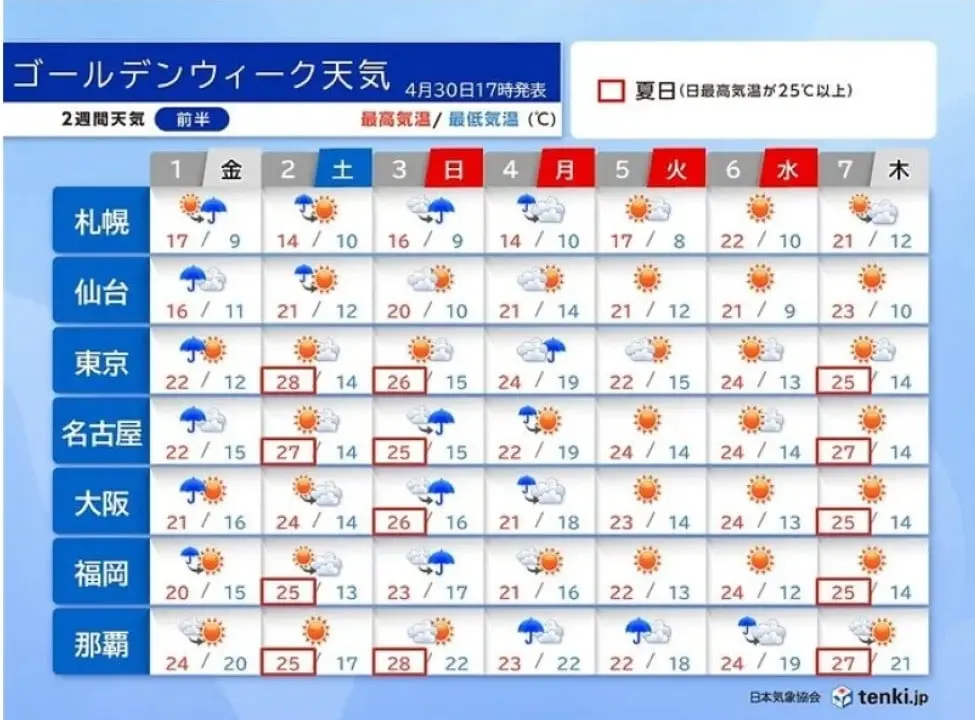
Atmospheric instability brings with it a sudden change in thermometers shortly after the rain clouds dissipate. The forecast indicates that the second half of the long holiday will have sunny days and rapidly rising temperatures. Thermometers must register marks close to 25 degrees Celsius in several cities. Sudden heat catches the human body off guard after months of mild weather. The risk of heatstroke grows exponentially.
Health Profissionais warn of the need to quickly adapt to the new climate pattern. Constant consumption of water and isotonic drinks is essential, even when there is no feeling of thirst. Lightweight Roupas and adequate sun protection help minimize the effects of sun exposure. Atividades intense physical activity outdoors should be avoided during peak heat hours. Care must be taken with young children and the elderly.
The climate transition also affects air quality and pollen dispersion, impacting people with respiratory allergies. Using masks and air purifiers indoors remains a recommended practice. Hospitais and emergency clinics prepare their teams for a possible increase in hospitalizations related to heat stress. Prevention remains the best strategy to enjoy your days off safely.
Retorno from the rains at the end of the holiday
The relief provided by sunny days will be temporary, according to meteorological model projections. A new front of instability is expected to approach the Japanese archipelago between May 9th and 10th. The phenomenon will bring rain concentrated mainly on the coast of Oceano Pacífico. The severe weather cycle begins again just as most people return to their homes.
Learn more: Argentina will have a national holiday after runner-up in the world championship, confirms president
Planning your return journey requires paying attention to daily weather forecast updates. Especialistas recommend anticipating or postponing your trip to avoid times when vehicles are most concentrated in heavy rain. A margin of safety during travel times avoids stress in traffic. Communication between family members about the chosen routes makes it easier to call for help in case of unforeseen circumstances.
Local authorities keep official information channels updated in real time. Aplicativos cell phone and electronic roadside panels provide accurate data on closures and alternative routes. The population’s collaboration in following safety guidelines minimizes the impacts of natural forces. Continuous monitoring ensures emergency services act with precision where they are needed most.
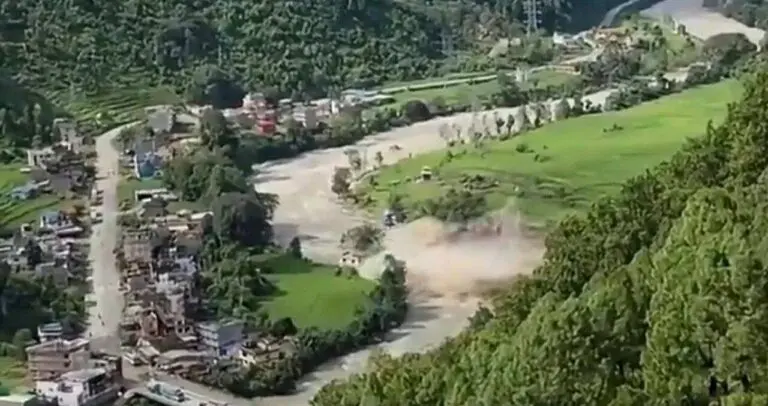
A large avalanche on the border between Nepal and Tibet on August 26, 2026 resulted in the death of 95 individuals and left hundreds of people missing, devastating…
In Latest News (EN) · 26/08/2026
Images released recorded the devastating fire that hit the maternity ward of one of Pakistan's largest medical centers, resulting in the loss of 14 newborns on August 26,…
In Latest News (EN) · 26/08/2026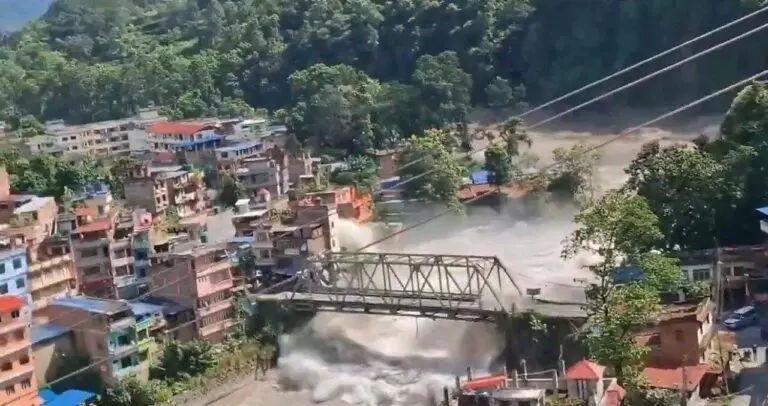
On Wednesday, August 26, 2026, a violent flood swept through the border region that divides Nepalese territory and the Tibet Autonomous Region, under Chinese administration, resulting in a…
In Latest News (EN) · 26/08/2026A sudden flood with great destructive power left a trail of deaths and missing people on the border between Nepal and Tibet, in China, on August 26, 2026.…
In Latest News (EN) · 26/08/2026
After days of speculation and a wave of leaked videos, Rockstar Games has finally spoken out publicly about the incident involving gameplay footage from Grand Theft Auto VI.…
In Latest News (EN) · 26/08/2026
A powerful flash flood hit villages on the Nepal-China border on August 26, 2026, causing widespread devastation. Nepalese authorities confirmed the deaths of at least 17 people and…
In Latest News (EN) · 26/08/2026