Two X-class solar flares hit Earth in seven hours and disrupt radio
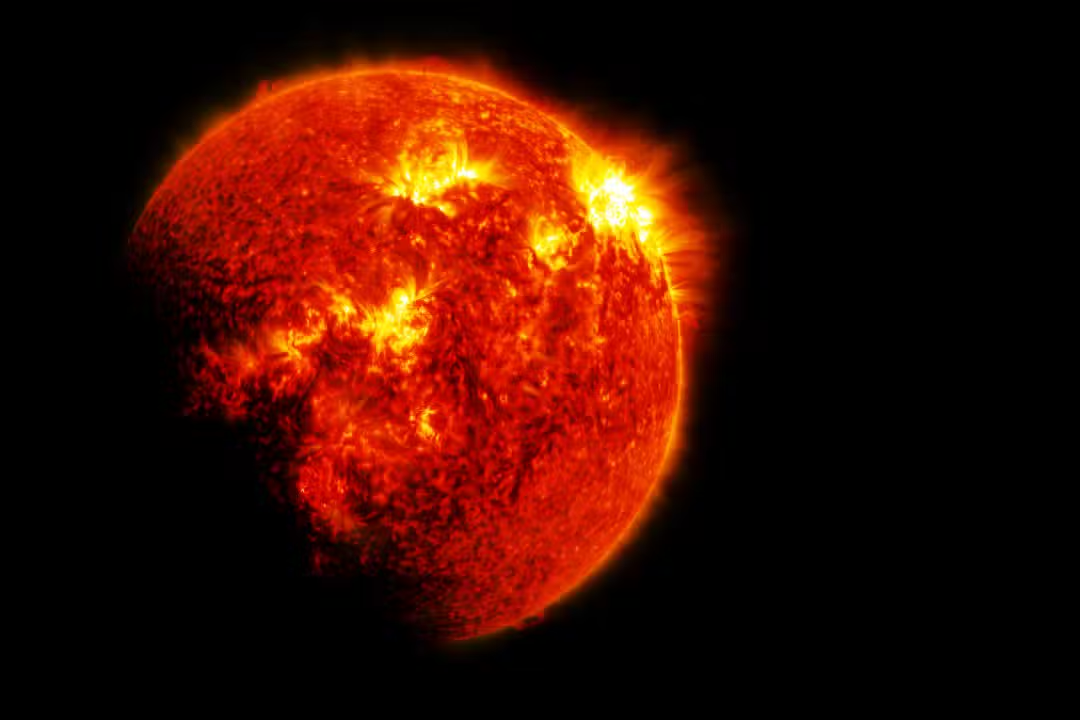
Sol released two powerful X-class solar flares in the space of just seven hours, disrupting radio transmissions in several regions of the planet and signaling an increase in the star’s magnetic instability. NOAA confirmed the double event, classified as rare due to the speed with which it occurred. The eruptions emitted intense pulses of radiation that ionized Earth’s atmosphere, disrupting high-frequency communications used by aviation, maritime operations and emergency systems.
The second eruption peaked at 4:14 a.m. EDT (08:14 GMT) on April 24. The gap between the two events is unusual. Isso indicates a highly unstable solar region with complex magnetic structures capable of storing enormous amounts of energy before suddenly releasing them. Scientists emphasize that this concentration of such powerful eruptions in such a short time suggests that Sol is entering a more active phase of its current solar cycle.
Intensidade and scale of eruptions
X-class solar flares represent the pinnacle of the solar event scale. Elas release pulses of radiation that travel through space at the speed of light, reaching Terra within minutes. The eruptions occurred in the same active region of the solar surface, a factor that amplifies concerns about continued instability in that area.
Cada eruption emitted strong X-rays and ultraviolet radiation. Essas radiation ionized the upper layers of the Earth’s ionosphere. The result was the degradation or complete loss of radio signals on the illuminated side of the planet during the peak of the events.
Radio blackouts were classified at significant levels. Embora are generally temporary, lasting minutes to hours, they expose the vulnerability of modern infrastructure. Companhias airlines that fly over polar routes need to adjust communication strategies when these events occur.
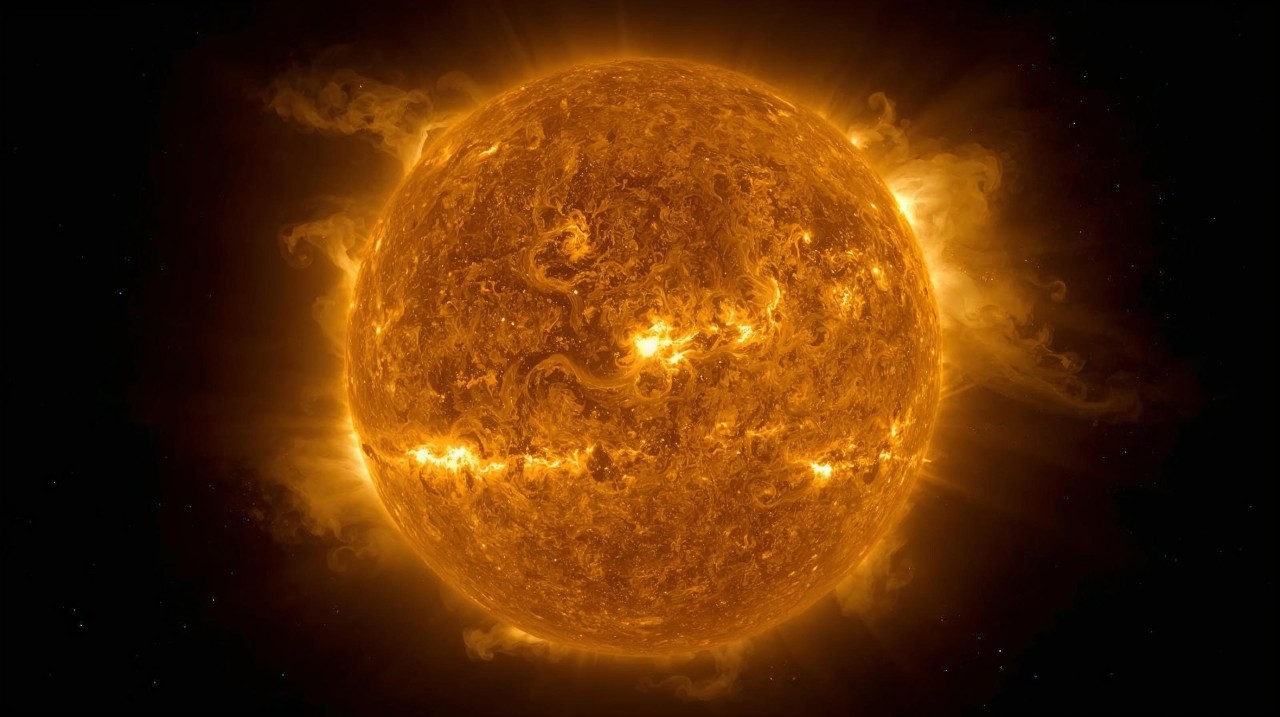
Impacto in terrestrial communications
Transmissões high-frequency radio stations suffered immediate outages during the peak of the eruptions. Sistemas used by aviation, maritime operations and emergency communications were affected. NOAA’s Centro, Previsão, Clima Espacial monitors these events in real time to alert critical operators.
- Aviação: polar route adjustments and alternative communication
- Operações maritime: temporary loss of navigation signals
- Emergency Sistemas: degradation in critical transmissions
- Satélites: exposure to intense radiation
- GPS Redes: possible loss of synchronization
Infrastructure operators depend on accurate space weather forecasts provided by agencies like NOAA. Alertas in real time allows you to minimize risks before new events occur. The region responsible for the eruptions remains under close observation.
Ciclo solar and scientific monitoring
Sol follows an approximately 11-year cycle, and the current cycle is approaching its maximum. Durante During this phase, the number of sunspots, solar flares and coronal mass ejections increases significantly. Researchers are monitoring whether these solar flares were accompanied by coronal mass ejections (CMEs).



CMEs are massive clouds of charged particles that can take days to reach Terra. Unlike radiation from solar flares, which arrives within minutes, CMEs can trigger geomagnetic storms. Essas storms affect satellites, GPS systems, electrical grids and other sensitive infrastructure systems.
The active region responsible for the two eruptions remains the focus of observation. If it remains unstable and continues to face Terra, the probability of further eruptions increases significantly. Isso raises risks for both scientists and operators who rely on space weather-sensitive infrastructure.
The clustering of such powerful solar flares offers valuable information about Sol’s magnetic dynamics. Researchers analyze these events to better understand the mechanisms that generate these extreme energy releases. Esses insights help improve prediction models for upcoming events.
Perspectiva for the next few days
The immediate effects of the eruptions have subsided, but the situation remains dynamic. Sol does not release energy in isolation, and clusters of activity often precede even larger events. If new flares occur, especially those aimed at Terra, they could lead to more intense geomagnetic disturbances.
Operadores satellites track NOAA updates. Gestores of power grids receive continuous alerts. Aviation Autoridades monitor official reports. Essas organizations provide warnings designed to minimize risks from solar activity in real time and in advance. Modern infrastructure depends on this constant coordination to prevent damage on a global scale.
Este event serves as a living demonstration of the influence that a highly active star exerts on Terra. Embora While most solar flares pass with minimal consequences for Earth systems, the most powerful have the potential to disrupt technology on a global scale and affect billions of people simultaneously.
See Also em Latest News (EN)

Vinicius Junior reaches 20 goals for the fifth time in a row and equals Cristiano Ronaldo’s record at Real Madrid
04/05/2026
NASA transmits 484 gigabytes from the Moon with laser communication system
04/05/2026
Free supernatural RPG dominates downloads on PlayStation and earns 86 points
04/05/2026
Astronomers reveal gigantic structures aligned with the Milky Way’s black hole
04/05/2026
Hailey Van Lith leaves Chicago Sky due to playing style preference
04/05/2026
Interstellar comet 3I/ATLAS helps astronomers reconstruct early Milky Way conditions
04/05/2026
Invisible energy from dark matter may explain rapid formation of black holes
04/05/2026
Steam’s share of Linux declines in April after an all-time high in March
04/05/2026
Researchers admit possibility of extraterrestrial artifacts in the solar system
04/05/2026
Samsung announces new stable release date for One UI 8.5 in May
04/05/2026
Apex Legends™: Overclock receives update with new tweaks and improvements
04/05/2026