Ukrainian Army incorporates Sisu GTP 4×4 modular armored vehicles for special tactical missions By Luís Henrique Costa
5 min read
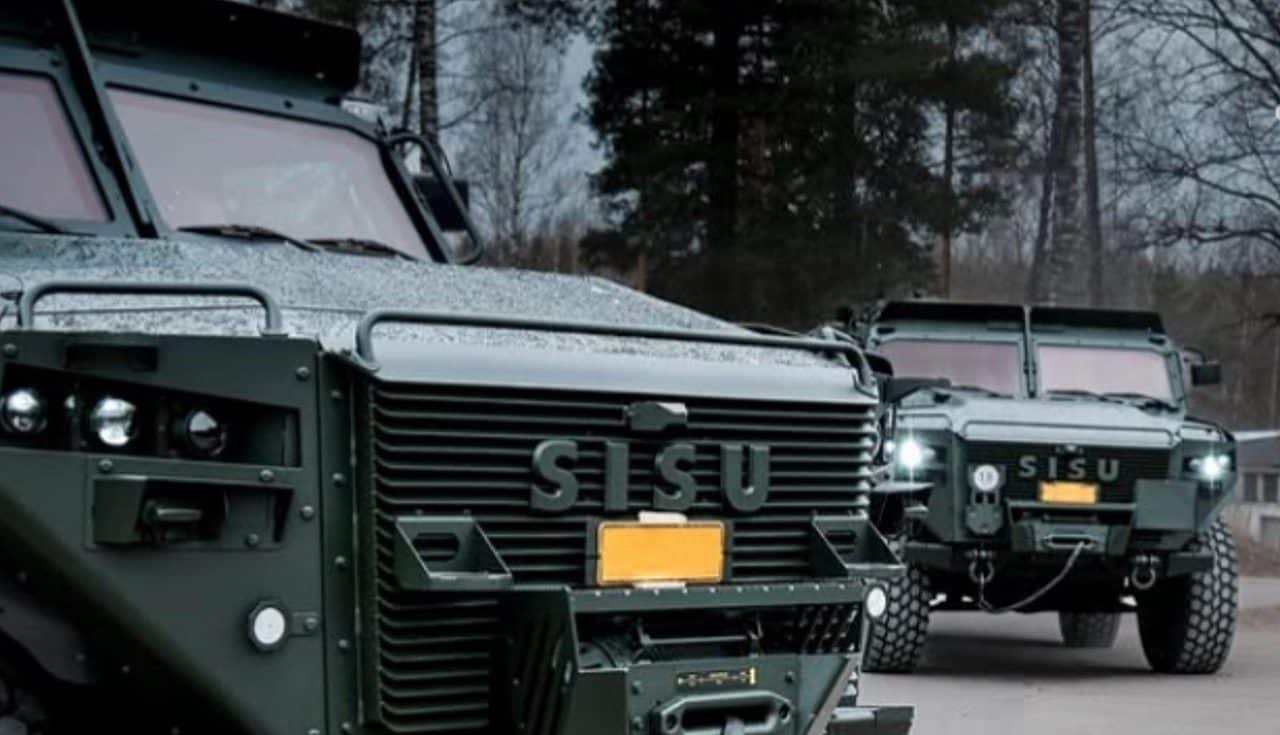 |
As Forças Armadas of Ucrânia started to use Sisu GTP 4×4 armored vehicles of Finnish origin on their front lines. The military equipment was targeted specifically for the tactical activities of the 8th Regimento of Forças of Operações Especiais. A defense expert named Andriy Charuk documented the arrival of the first units on April 27th. Registros recent photographs confirm the presence of at least two different operational examples on Ukrainian territory. The exact quantity of the batch delivered to the military remains strategic secrecy. The mobility provided by these new transports increases the infiltration capacity of troops in high-risk areas.
The transfer of the machinery took place without any official announcement of donation by the governments of Finlândia or Suécia. Estes two Scandinavian countries were the only known global operators of this transport platform until the current time. The movement represents an unusual milestone in the trajectory of this defense equipment. Production of the model continues at a limited pace by Nordic industries. The original government orders called for gradual deliveries by the end of the year 2028. The diplomatic silence on the shipment suggests bilateral agreements focused on the urgency of Ukrainian land demands.
Engenharia automotive and advanced ballistic protection
The Sisu GTP 4×4 project functions as an armored vehicle with a modular architecture with a gross weight of up to 14 tons. The robust structure allows the transport of a five-ton payload during field missions. The original manufacturer maintains absolute secrecy regarding the exact classification of the level of armor implemented in the body. The company only confirmed the presence of ballistic protection systems and fully adaptable anti-mine defenses. Essa technical feature offers great flexibility in car configuration as per the requirement of each specific mission. Additional Placas can be quickly installed to enhance security against improvised explosives.
The mechanical performance of the military transport depends on a diesel-powered engine with a capacity of 221 kW. The propellant generates 300 horsepower. The driving force moves the heavy structure over uneven terrain with ease. The vehicle can exceed the 100 km/h mark when traveling on paved roads or dirt roads in good conditions. The fuel tank range exceeds 700 kilometers on the highway. Esta operational capability allows the execution of long-range maneuvers in different geographic scenarios without the need for constant refueling. The all-wheel drive system guarantees grip on muddy soils typical of Eastern Europe.
Configurações adaptable to different military needs
The automotive platform supports a series of varied configurations to meet the specific demands of ground troops. The modularity of the chassis facilitates rapid transformation of the equipment within the logistical support bases. Military mechanics can change the car’s main function in just a few hours of work. The system accepts the following structural adaptations:
- Veículos of armored patrol for territorial reconnaissance.
- Transporte secure personnel and infantry squads.
- Ambulâncias armored vehicles for medical rescue under enemy fire.
- Veículos tactical communications command and control.
- Plataformas mobile for heavy weapons, including rotating turret machine guns or remotely controlled systems.
The ability to switch between a rescue ambulance and an attack platform makes the model highly valued by special operations units. Ukrainian soldiers gain a versatile tool to face the unpredictable dynamics of modern combat. Standardizing a single vehicle base for multiple functions reduces the complexity of driver training. Technical support teams also benefit from familiarity with the standard chassis. The learning curve for operating and repairing machinery decreases considerably with this unified approach.
Strategic Avaliação in real combat environment
Poucos armies have adopted the Sisu GTP 4×4 on a global scale to date. The arrival of the machinery at Ucrânia gains particular relevance for the definitive operational assessment of the European equipment. The restricted number of units delivered to Ukrainian soldiers makes it possible to carry out rigorous tests in real combat situations. Military engineers consider this exposure fundamental to the maturation of technology. The data generated in daily confrontations will guide the future development of the industrial project. Relatórios field on chassis strength and engine efficiency returns to the original designers.
Defense industry experts Estimativas indicate that the combined military orders from Finlândia and Suécia do not exceed the 400-unit mark. Esse volume covers the entire contractual period established with the manufacturer. The presence of these specific armored vehicles in Ucrânia special operations offers a rare opportunity to validate the platform’s resistance. Intense combat Cenárioss expose structural flaws that controlled proving ground testing can rarely accurately simulate. Performance under heavy artillery fire will define the vehicle’s international reputation for years to come.
Sustentabilidade logistics and operational cost reduction
The Sisu GTP engineering design uses standardized off-the-shelf components. The assembly incorporates commercial parts manufactured by Daimler AG. Essa intelligent strategy drastically reduces production costs on the original assembly line and simplifies international logistics. Choosing common parts makes maintenance easier. Mechanics take advantage of supplies easily found in global distribution networks to repair combat breakdowns. Reliance on exclusive parts often paralyzes entire fleets during prolonged conflicts, a problem avoided by this open architecture.
Fabricantes of armaments and military analysts expect that daily operation will result in relatively low expenses when compared to the use of other armored vehicles with similar characteristics. Quickly replacing critical components with compatible versions from other suppliers minimizes dependence on a dedicated supply chain. Ukrainian units are able to keep vehicles running even with severe logistical restrictions. Ease of repair ensures equipment quickly returns to special regiment missions. The agility in replacing worn parts maintains the fleet’s availability index at operational levels suitable for mobile warfare.