Xiaomi presents HyperOS 4 with Liquid Glass design and completely transparent interface
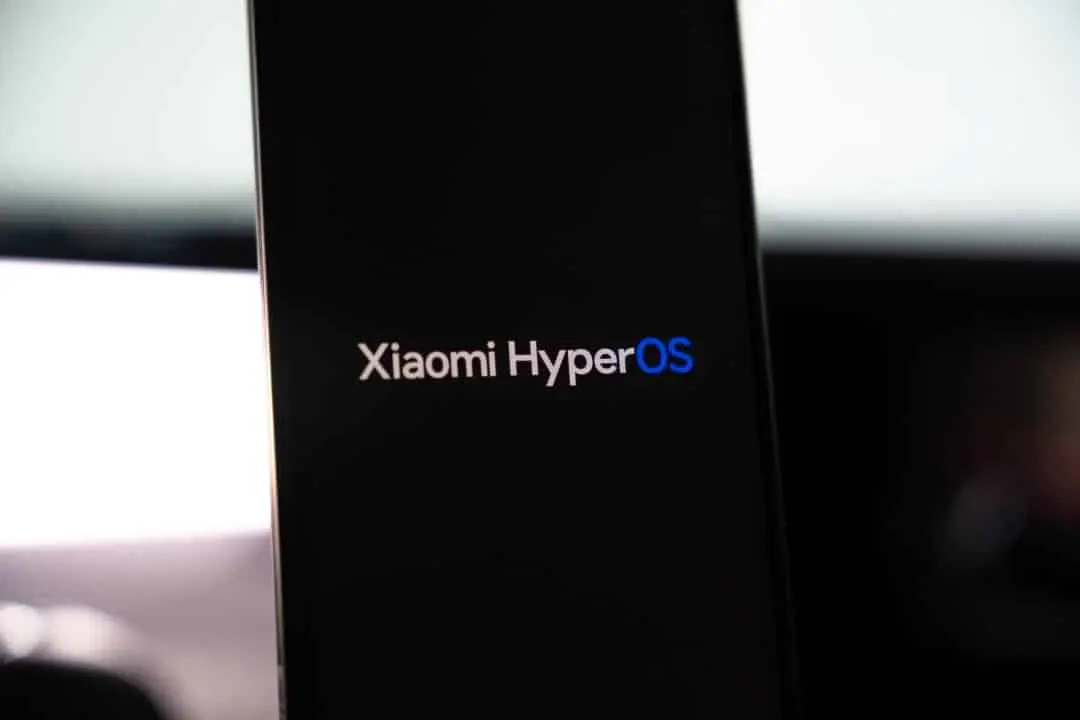
Xiaomi revealed the visual innovations of HyperOS 4, its proprietary operating system, highlighting an innovative design in Liquid Glass that places transparency as a central element of the interface. The change marks a significant aesthetic evolution compared to previous versions, bringing a more fluid and minimalist user experience. The concept combines frosted glass with translucent visual effects, reflecting contemporary design trends that prioritize visual fluidity and the reduction of unnecessary elements.
Liquid Glass transforms the system’s visual identity
The adoption of Liquid Glass represents a profound conceptual change in the development of mobile operating systems. Elementos visuals acquire depth through transparent layers that dynamically overlap, creating a clean and intuitive visual space for navigation. The design emphasizes the reduction of unnecessary visual components, allowing content to take center stage on the screen.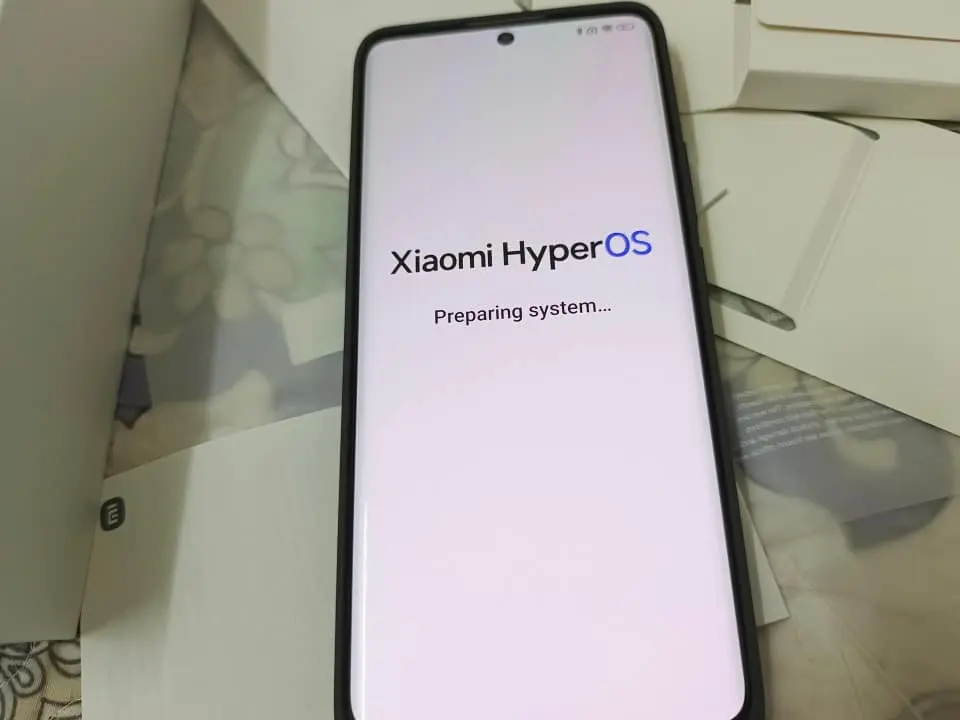
Iconografia, menus and widgets incorporate transparent aesthetics at different opacity levels. Fundos blurs complement the visual structure, allowing you to visualize underlying content without compromising readability. Cores primaries stand out against these translucent backgrounds, enhancing the contrast necessary for efficient navigation and accessibility.
Learn more: Samsung One UI 9 brings Tap to Share, Bixby widgets and expanded dashboard controls
Unificação visual across Xiaomi ecosystem
HyperOS 4 with Liquid Glass design tends to unify the visual experience across the brand’s various devices, from smartphones to tablets and connected devices. The multi-layered implementation of the operating system ensures visual consistency from the lock screen to native applications. Third-party Desenvolvedoras will receive specific guidelines to adapt their applications to the new visual standard, facilitating the adoption and maintenance of consistent themes across the ecosystem.
- Design in Liquid Glass with transparent layers across the entire system interface
- Compatibilidade with third-party applications using standardized design guidelines
- Otimização for different device models Xiaomi with varying specifications
- Animações enhanced with real-time visual feedback to user gestures
- Adaptive theming Sistema based on transparency and visual minimalism
Capacidades techniques and performance of the new system
HyperOS 4 maintains backwards compatibility while introducing improved graphics capabilities. Visual effects processing demands greater computational resources, requiring careful optimization on devices with varying specifications. Fluid Animações integrate the concept of transparency through smooth transitions between visual states, with elements responding in real time to the user’s movements. Xiaomi works on scalability of the interface for different smartphone models, ensuring that the operating system’s performance remains fluid without compromising battery life.
See Also

South pole of the Moon is a new focus: China details Change-7 mission amid space dispute

EMF keyboardist Derry Brownson dies aged 55 after battle with brain tumor

PlayStation shows new GTA 6 commercial and heats up debate about graphics before preview on Netflix
On the same topic: One UI 8.5 restores classic DeX function that Samsung had removed
Cronograma release and availability
Previsões indicate the gradual arrival of HyperOS 4 in the coming months, starting with the Xiaomi flagship models. Older Dispositivos will receive updates as compatibility testing is completed, with specific timelines depending on technical validation in different regions. Usuários will be able to opt for alternative themes that maintain elements from the previous version of HyperOS, ensuring flexibility for those who prefer the traditional interface. Deep Customização remains possible for advanced users through internal system settings.
Posicionamento competitive in the global market
Investimento’s distinctive visual design puts the Xiaomi in direct competition with top-of-the-line manufacturers in the premium segment. The transparency and fluidity approach follows trends established by other global mobile operating systems, but with its own visual identity that reinforces the brand’s positioning. Empresas competitors are already exploring similar concepts, making the search for visual innovation increasingly competitive. The success of this strategy will depend on impeccable technical execution and consumer market acceptance in the coming quarters.