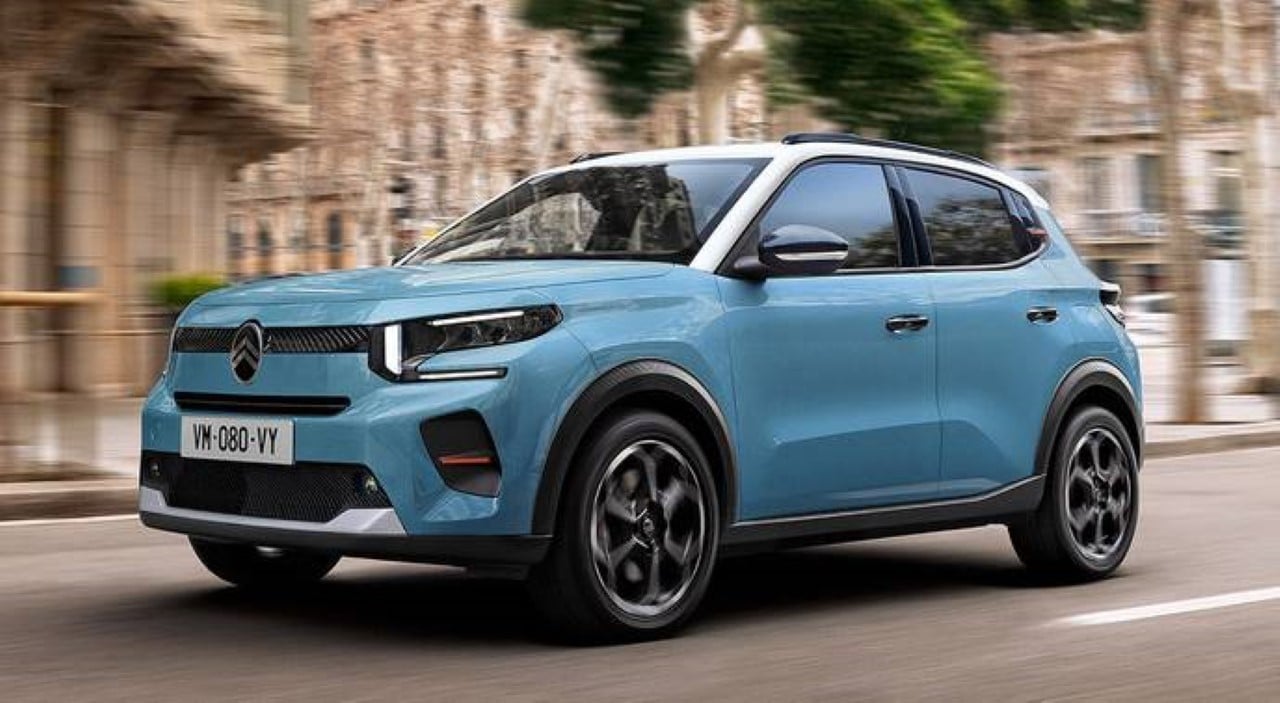
Citroën has officially launched the ë-C3 in the Japão, marking the French brand’s expansion into the compact electric car segment in one of the world’s largest automotive markets. The model arrives in the Asian country with a proposal to democratize access to electrical technology, offering a competitive price and practical features for urban use.
Especificações and model positioning
The ë-C3 was developed as Citroën’s response to the growing demand for affordable electric vehicles. The compact hatchback maintains the practical dimensions that characterize the C3 line, facilitating maneuvers in narrow and congested streets in Japanese cities. The battery offers adequate autonomy for daily commutes, reducing dependence on fossil fuels in highly urbanized markets.
Design and functionality converge inside the vehicle. The control panel integrates modern infotainment systems, with smartphone connectivity and compatibility with major navigation platforms. Adjustable Bancos and luggage space reflect the brand’s practical philosophy, balancing comfort with efficiency.
Estratégia commercial on the Japanese market
Japão represents a strategic market for electric vehicle manufacturers. The country has a consolidated charging infrastructure, government incentives for purchasing zero-emission models and environmental awareness among consumers. Citroën chooses the moment when the demand for sustainable alternatives intensifies in the entry segment.
Preço and availability have been calibrated to compete with local rivals such as the Nissan Leaf and the Honda electric series. Parcerias with Japanese distributors and technical service network guarantee after-sales support and access to spare parts. The brand offers an extended warranty on batteries, a critical element to reassure consumers about the longevity and security of their investment.
Características techniques and sustainability
The ë-C3 reduces carbon emissions compared to internal combustion engines, contributing to industry decarbonization targets. Processo battery manufacturing follows European sustainability standards. Reciclagem’s electronic components and metal structure of the vehicle are in line with Japanese and international regulations.
Fast Carregamento at public points reduces stopping time and increases practicality for owners. Thermal management Sistema maintains battery performance in varying climates, particularly relevant for regions with harsh winters in the Japão.
Recursos main features include:
- Autonomia between 300 and 400 kilometers per full charge
- Tempo recharges from a domestic socket for seven to eight hours
- Fast Carregamento in 30 minutes at 80% capacity
- Sistema regenerative braking that recovers energy
- Tração front with optimized torque distribution
- Controle automatic climate control with eco mode
Posicionamento global and regional impact
Este launch follows Citroën’s corporate strategy of expanding electrical portfolio in developed markets. Ásia-Pacific represents a crucial opportunity, with projections of accelerated growth in electric vehicle sales over the next decade. Japão, in particular, focuses on manufacturers with advanced technology and consumers willing to pay for innovation.
Competição steps up into compact and affordable segment. Outros European manufacturers expanded their presence in the Japanese market with similar models. Citroën focuses on differentiation through characteristic design, reduced operating costs and a consolidated support network.
Impacto environmental electric mobility in Japão is enhanced with a clean energy matrix. País invests in renewable energy, making the transition to electric vehicles more effective in terms of reducing greenhouse gases. Governo offers purchase subsidies, making ë-C3 more affordable than conventional models after incentives.
Contexto from the automotive industry
Global Transição to Electrification Accelerates Under Regulatory Pressure and Consumer Demand. European Fabricantes face the challenge of reducing production costs while maintaining quality and profitability. Strategic Parcerias and platform sharing reduce investment in development and allow us to offer competitive prices.
Citroën positions itself as an accessible brand within the Stellantis group, a structure that groups together manufacturers of European origin. Compartilhamento of the group’s cross-brand technology optimizes resources and accelerates innovation. Sinergia in supply chain reduces costs of critical components such as batteries.
Japanese Mercado values quality, reliability and efficiency. Histórico from Citroën in innovative design and practical concepts reinforces credibility with Japanese consumers. Presença’s consolidated distribution and service networks ensure a reassuring purchasing and maintenance experience for owners.