Google launches Googlebooks with native Android and integrated Gemini for 2026
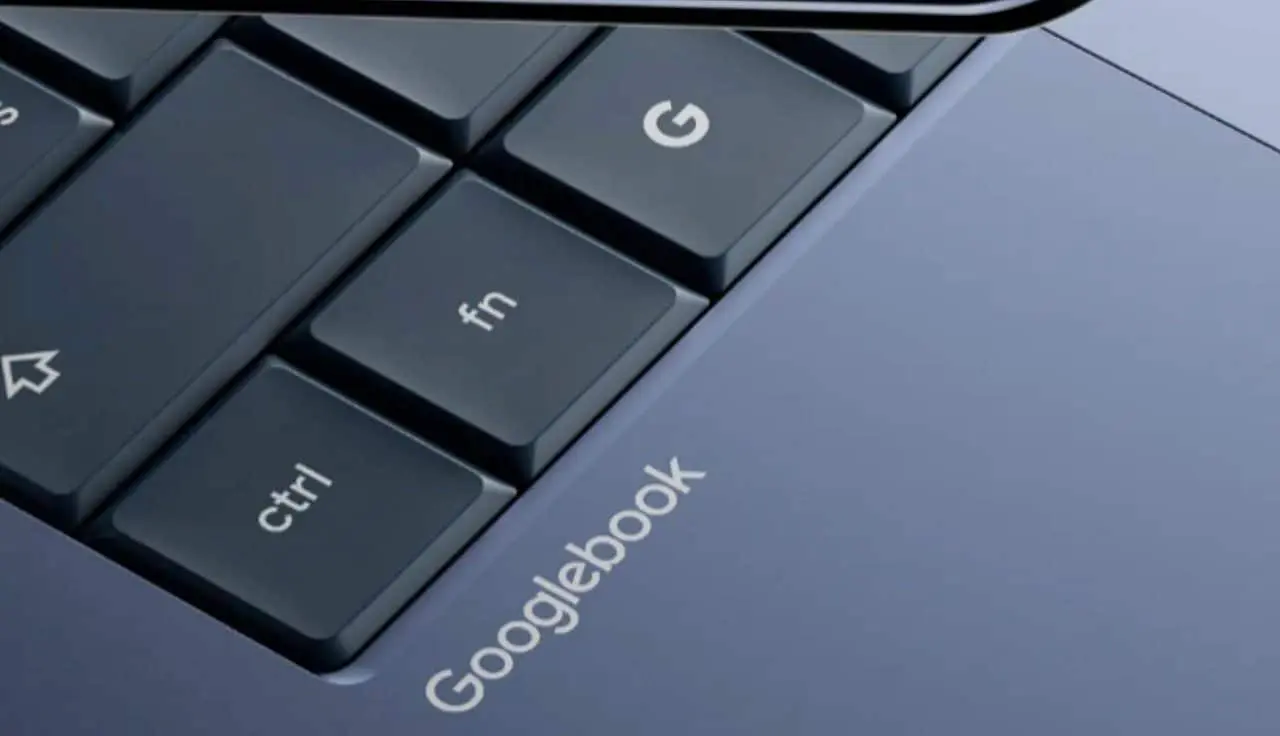
Google has officially entered the mainstream laptop market with the Googlebooks, a new line of portable computers that run native Android and integrate the Gemini wizard directly into the hardware. Diferente from Chromebooks, focused on web browsing, Googlebooks brings generative artificial intelligence at the core of the experience. The devices will hit the market in 2026 from manufacturers such as Acer, Asus, Dell, HP and Lenovo.
The strategic change marks a significant transformation after more than a decade of dominating the Chromebooks segment, which will continue in production. The new focus reflects the technology industry’s global focus on AI-powered laptops, a market still seeking truly disruptive use cases to justify mass consumer adoption.
Magic Pointer revolutionizes screen interaction
The Googlebooks’s most iconic feature is the Magic Pointer, a smart cursor that activates full-screen Gemini experiences just by moving it back and forth. The system analyzes displayed content to generate contextual suggestions based on multiple applications simultaneously, differentiating itself from Microsoft’s Recall, which has faced severe privacy criticism since its announcement in 2024.
More on this story: Nvidia launches RTX Spark chip with Arm architecture for new laptops from Microsoft, Asus and Dell
Nas demos Google, Magic Pointer selected multiple images and combined them instantly. The cursor can also suggest calendar appointments by pointing to dates in emails or perform similar actions. Além of Magic Pointer, Magic Cue, already available on Pixel cell phones since 2025, will be integrated into Googlebooks. The feature recommends actions and displays contextual information based on messages, emails and other screen content.
Widgets Smart and Custom Dashboard
Google will bring its AI-generated widgets to the Googlebooks experience. Esses elements collect web data and content from selected Google applications to build a personalized home dashboard, with a format and style tailored to the laptop interface. The features remain focused on adding useful information to the home screen without overwhelming the user with complex customization options.
Integração deep with Android smartphones
Os Googlebooks work as a natural extension of any Android smartphone through automatic synchronization. A dedicated button on the taskbar lists all applications on the connected cell phone. Clicar on any of them opens the app in a floating window on the laptop, maintaining a unified experience across devices.
Transferring files between devices is transparent. The user can send documents, photos and other data directly from the cell phone to the Googlebook without intermediate steps. Essa approach drastically reduces the need to install additional applications on the laptop, creating a cohesive ecosystem.
See Also

Artificial intelligence reveals signs of solar flares hours before and innovates in alerts

Leila Pereira reinforces support for Abel and the Palmeiras squad before the Libertadores clash

Death of Rossella Diaco: Rai Isoradio presenter reported illness on social media
Ecossistema applications and software
Google avoids explicitly mentioning Android when discussing the new laptops, but the underlying operating system is indeed Android running natively. Isso provides access to Play Store and traditional Android applications, unlike Chrome OS. The company processes third-party app store certification for Android, while restricting installation of APKs outside of the official Play Store.
- Native Suporte to Android applications in full format
- Integração with Play Store for downloads
- Possibilidade mobile app streaming
- Automatic Sincronização of files between devices
- Acesso the complete Google ecosystem
Whether Onde or Googlebooks fits into this opening spectrum remains undefined. Google declined specific comment, saying only that details about “app ecosystem partners” will be revealed closer to launch.
Learn more: Nvidia RTX Spark promises thin laptops with personal supercomputer performance
Design badge and partner manufacturers
Google will not produce its own Googlebooks. Manufaturadores who already make Chromebooks will take over the production of the new laptops with varying specifications and prices. Os Googlebooks will be identifiable by the LED bar on the lid, a design element that harks back to previous Google devices such as the Pixel C tablet and Chromebook Pixel.
The LED bar represents Google’s attempt to create a distinctive visual identity on laptops manufactured by partners, similar to how the aluminum apple differentiates MacBooks from competitors. Google claims that the bar is “functional and beautiful”, but is keeping details of its functionality under wraps until an official announcement closer to launch.
Practical Utility of AI on Laptops Desafio
Apesar of the investment in deep Gemini integration, uncertainty remains about how much practical utility generative AI will offer in a desktop context. Magic Cue of Google on smartphones Pixel did not revolutionize the cell phone market, rarely appearing in users’ daily usage flows. The launch of the Googlebooks will take place in a context of growing competition between manufacturers integrating AI assistants, making 2026 a critical year for defining standards in the laptop segment powered by artificial intelligence.