Interstellar comet 3I/ATLAS reveals origin in solar system different from ours
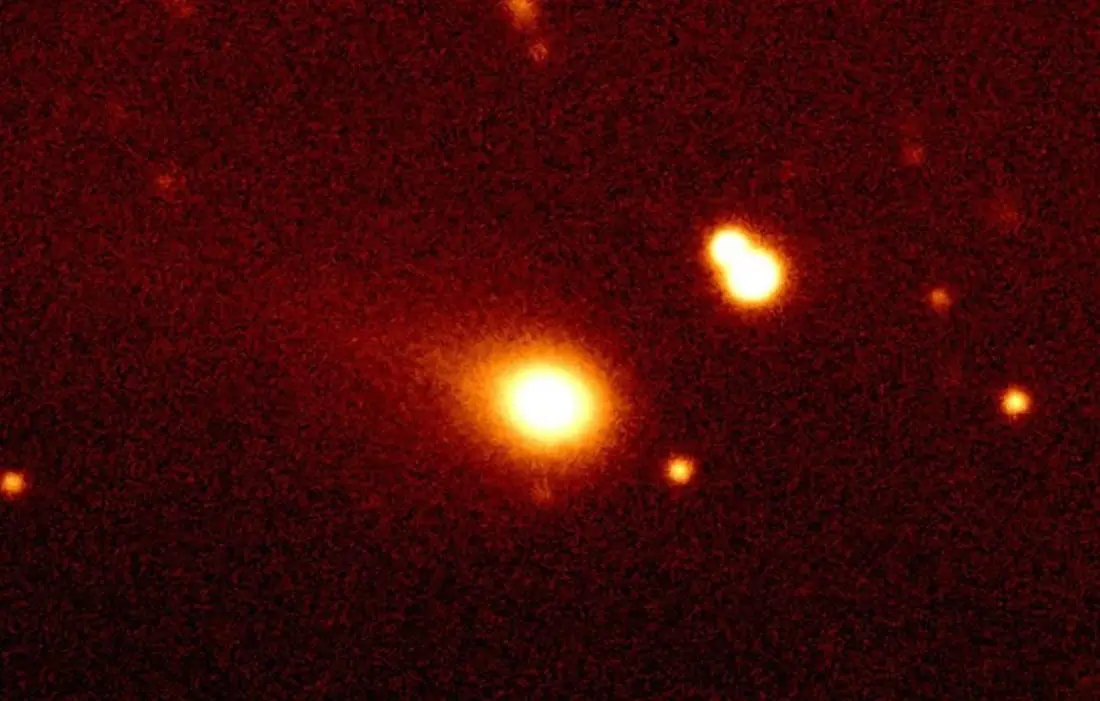
Observações carried out with the ALMA radio telescope, at Chile, revealed that the interstellar comet 3I/ATLAS originated in a planetary environment radically different from our solar system. The study, published April 23 in the journal Nature Astronomy, marks the first detection of deuterium in an interstellar object, opening new perspectives on the formation of distant worlds.
Deutério reveals extreme source environment
The abundance of the deuterium isotope found in the water of 3I/ATLAS exceeds the value present in the oceans of Terra by more than 40 times. Compared to comets in the solar system, the level is more than 30 times higher. Essas measurements indicate physical and chemical conditions very different from those that characterize the region where our planet was formed.
On the same topic: ALMA radio telescope observations reveal extreme levels of deuterium in comet 3I/ATLAS
Luis Eduardo Salazar Manzano, lead author of the study and doctoral candidate at Departamento of Astronomia of Universidade of Michigan, explains that deuterium usually appears in the water of comets in the form of HDO, deuterated or semi-heavy water. The high presence of this compound in 3I/ATLAS provides clues about the environment where this object materialized. Radio telescopes allowed researchers to measure this hydrogen isotope for the first time on a celestial body of extrasolar origin.
Descoberta and comet trajectory
3I/ATLAS became known worldwide when astronomers detected it crossing the solar system in July last year, at a high speed. Representa is only the third interstellar object, originating from outside our solar system, to be observed in this region of the universe. The ALMA observations took place in November, a few days after the comet reached its closest point to the sun.
The comet began its exit from the solar system in December, leaving behind valuable data collected during its rapid passage. The observation window was short, but enough to capture crucial information about its chemical composition.
Cápsulas cosmic time
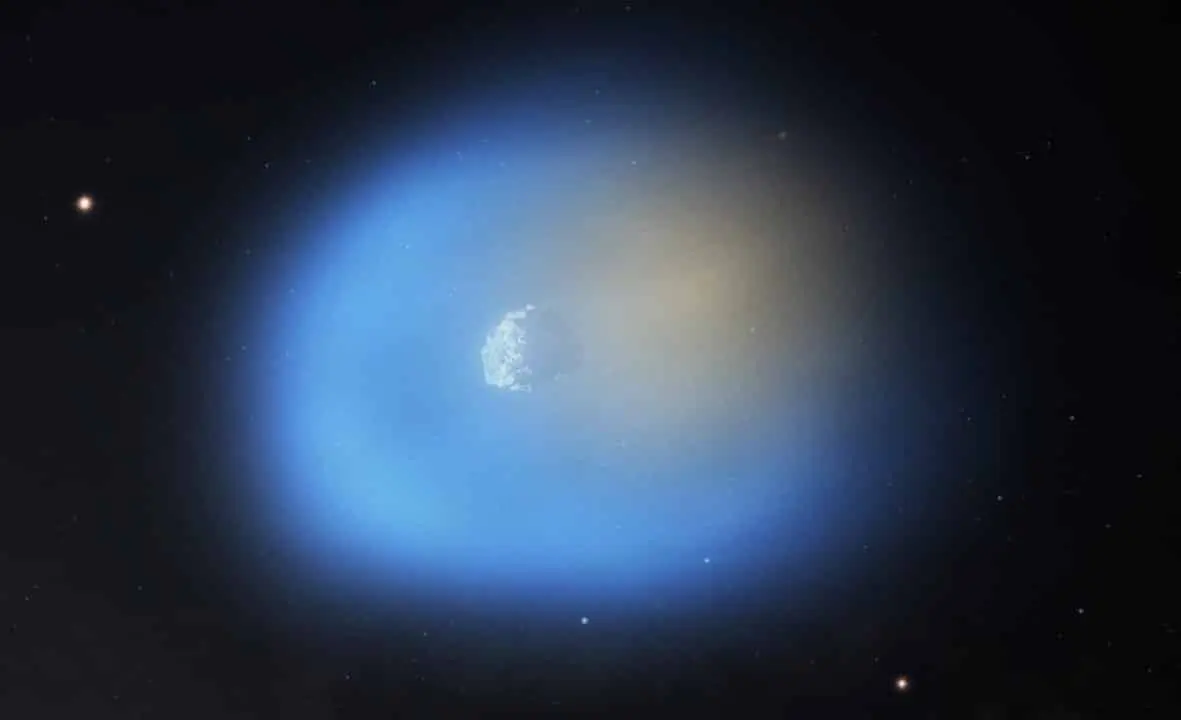
Interstellar objects function as repositories of primordial material from the environments where other planetary systems formed. Salazar Manzano describes these observations as opening time capsules that yield information about extreme physical conditions and processes that shaped distant worlds.
More on this story: Intergalactic comet reveals water with deuterium 40 times more concentrated than oceans
See Also



The measurements obtained allow researchers to:
- Compreender the extreme conditions of the planetary system where 3I/ATLAS originated
- Discernir what Via Láctea was like long before the formation of our solar system
- Estabelecer connections between distinct planetary environments through chemical analysis
- Avaliar variations in isotope abundance in different regions of the universe
Instrumento revolutionary in modern astronomy
The Atacama Large Millimeter/submillimeter Array (ALMA), located in the Atacama desert at Chile, has enabled accurate detection of deuterium in an interstellar object for the first time. Este radio telescope represents a significant technological advance in the observation of distant and composite celestial bodies that would previously have remained imperceptible to conventional instruments.
ALMA’s ability to measure isotopes in extremely low-temperature environments has opened new avenues for comparative astronomy. The observations not only confirm the extrasolar origin of the comet, but also establish replicable methodologies for future analyzes of interstellar objects. Cada detection of this kind provides fragments of a larger puzzle about how different planetary systems evolve.
Learn more: Astronomers find high concentration of deuterium in interstellar comet 3I/ATLAS
Implicações for understanding the early universe
The discoveries about 3I/ATLAS expand knowledge about chemical variations in the early universe. The abnormal abundance of deuterium suggests that the comet formed in a region with temperature and pressure conditions much more extreme than those present in the protoplanetary disk that gave rise to Terra, Júpiter and other bodies in the solar system.
Estes data allows astronomers to map how chemical composition varies across the galaxy and through time. By studying material of extrasolar origin, researchers gain perspective on universal planetary formation processes, regardless of their location in the cosmos.