Japanese streaming catalog receives 291 complete episodes of Dragon Ball Z animation


The Japanese animation series Dragon Ball Z, recognized as one of the biggest milestones in global pop culture, joined the catalog of multiple streaming platforms on Japão with its complete exhibition. Local viewers now have unlimited access to the 291 episodes that make up the original work. The new feature allows continuous monitoring of the narratives led by Son Goku and the group known as Guerreiros Z. The availability covers large services, inserting classic production into an on-demand consumption format that serves both the nostalgic public and new generations of subscribers.
The transition of all chapters to the digital environment reflects a strategy by entertainment companies to retain users through long-term content. Durante years, viewing the series in its entirety required the acquisition of physical media or dependence on television reruns at fixed times. With the current update of Asian catalogs, consumers can manage their own viewing rhythm. Access occurs through mobile devices, computers and smart televisions, facilitating contact with the battles that defined the action genre in oriental animation.
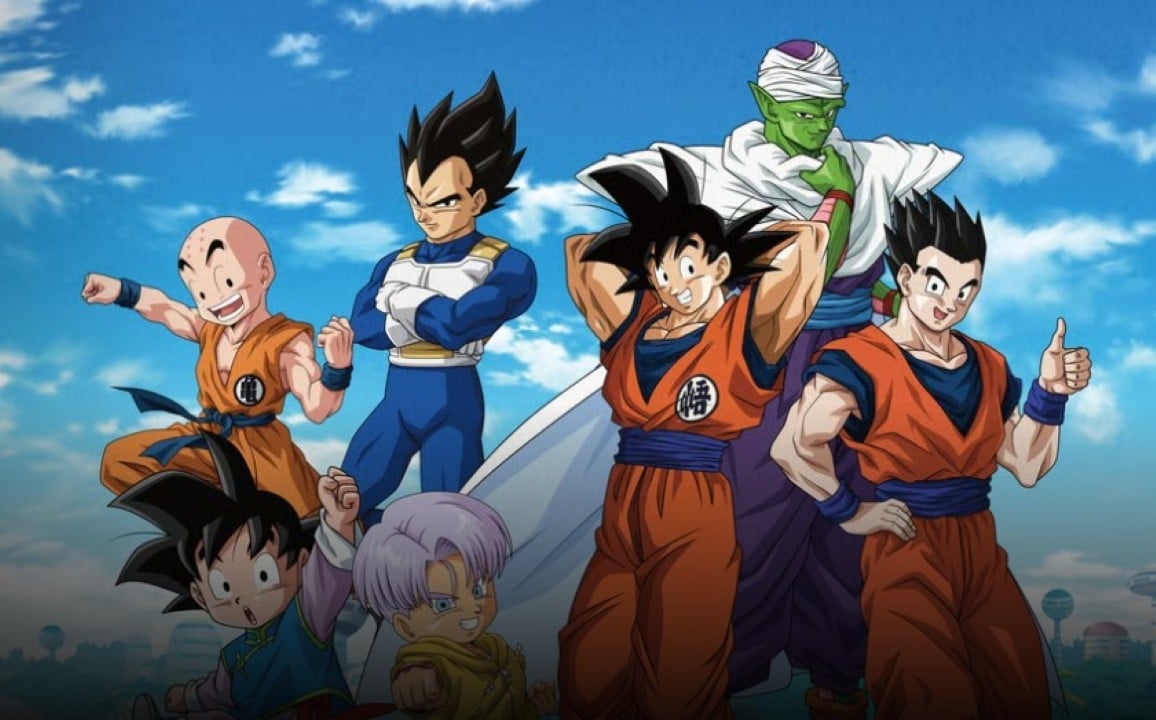
The commercial impact of the work justifies the platforms’ interest in maintaining broadcasting rights. Originalmente broadcast by broadcaster Fuji TV between April 1989 and January 1996, the production recorded an average audience of 20.5% in Japanese territory during its unprecedented period of exhibition. Esse historical index consolidated the brand as a mass phenomenon. The success generated an ecosystem of licensed products, cinematic films and direct sequels that will continue to move the entertainment economy significantly until the year 2026.
Opções subscription and platforms available to viewers
The Japanese streaming market presents different business models for those interested in consuming the 291 episodes. Companies offer plans ranging from cost-benefit to premium packages with broader catalogues. The series is distributed simultaneously on several competing services. Isso provides flexibility of choice for the consumer. Currently active options include:
- DMM TV (550 yen monthly fee with 14-day free trial period).
- U-NEXT (positioned as a premium alternative for 2,189 yen per month and 31 days of free entry).
- d Anime Store (focused on animations, charging 660 yen per month with the first cycle free).
- Hulu (international service with a strong presence in the Asian market).
- FOD (platform linked to the series’ original broadcaster).
- ABEMA (streaming service with linear channels and on-demand content).
- Netflix (global giant that maintains exhibition rights in the country).
Entre the alternatives listed, DMM TV stands out for its aggressive pricing and offering of related content. Além for a monthly fee of 550 yen, the platform grants 550 bonus points for new registrations and groups other productions from the same franchise. Subscribers to this specific service can access the initial classic phase of Dragon Ball, the sequels Dragon Ball GT and Dragon Ball Super, the remastered version Dragon Ball Kai and the recent production Dragon Ball Daima. The tactic centralizes the universe of the work in a single virtual environment.
Para users looking for differentiated experiences, U-NEXT delivers the longest trial period, totaling 31 days. The deadline allows for an extended evaluation before the first billing. Paralelamente to the monthly subscription market, the digital and physical rental format remains active. The company TSUTAYA DISCAS maintains DVD rentals for physical media advocates. Amazon Prime Video offers digital rental of individual episodes. On the other hand, services such as Lemino, Disney+, TELASA, TVer and YouTube do not currently hold the rights to broadcast the series.
Estrutura narrative and historical impact of Japanese animation
The 291-episode extension of Dragon Ball Z encompasses the adaptation of the second half of the manga created by Akira Toriyama. The plot covers a time arc that follows the protagonist’s adult life and the development of his family. The production, animated by studio Toei Animation, is divided into four major narrative sagas that have become absolute references in the entertainment industry. The arcs involve the Saiyajins invasion, the journey to the planet Namekusei against the emperor Freeza, the clash against the androids and the creature Cell, and the final conflict against the magical entity Majin Boo.
Cada one of these narrative arcs introduced concepts that redefined the standard of action stories aimed at young audiences. The series popularized the idea of quantifiable power levels and augmented gravity training. The main focus is on the physical transformations that multiply the fighters’ capabilities, with a focus on the state of Super Saiyajin. Esses structural elements were later assimilated and replicated by dozens of other successful productions. The established narrative formula has dominated the manga and anime market for more than three decades.
The full availability of this structure on streaming platforms allows researchers, critics and new fans to analyze the technical evolution of the animation over the seven years of original production. The transition from traditional acetate painting techniques to the first experiments with more dynamic visual effects is evident throughout the marathon episodes. The preservation and easy access to this material ensures that the visual and creative legacy of the original team of animators and voice actors remains documented and available for public consultation in high quality.
Evolução of media consumption and the rescue of classic productions
Incorporating series with hundreds of episodes represents a vital tactic for the financial health of streaming platforms in 2026. Extensive Obras ensures high retention. Enquanto contemporary productions often adopt short formats of 12 to 24 chapters per season, Dragon Ball Z offers months of continuous content. A viewer who decides to watch all 291 episodes commits their routine to the chosen service. The tactic reduces unsubscription rates. Daily screen time within the app increases substantially.
Technological compatibility expands the reach of this commercial strategy. Services offering animation support smart televisions and streaming devices like the Fire TV Stick. Essa technical integration allows high-speed battles and martial arts choreography to be consumed on large screens. The system reproduces the cinematic experience in the home environment. Ease of navigation between seasons and automatic playback of the next episode eliminate consumer barriers that existed in the DVD era.
The current scenario of the video on demand market at Japão demonstrates that intellectual properties established in the last century maintain a power of attraction comparable to or greater than new releases. The presence of Son Goku and its allies in the catalogs of giants such as Netflix and U-NEXT reaffirms the strength of the work. The dispute over the broadcasting rights of a series completed in 1996 shows that the value of audiovisual content is not limited to its premiere date. The continuous ability to engage the public and generate cultural relevance over the decades dictates the pace of investment in the sector.