

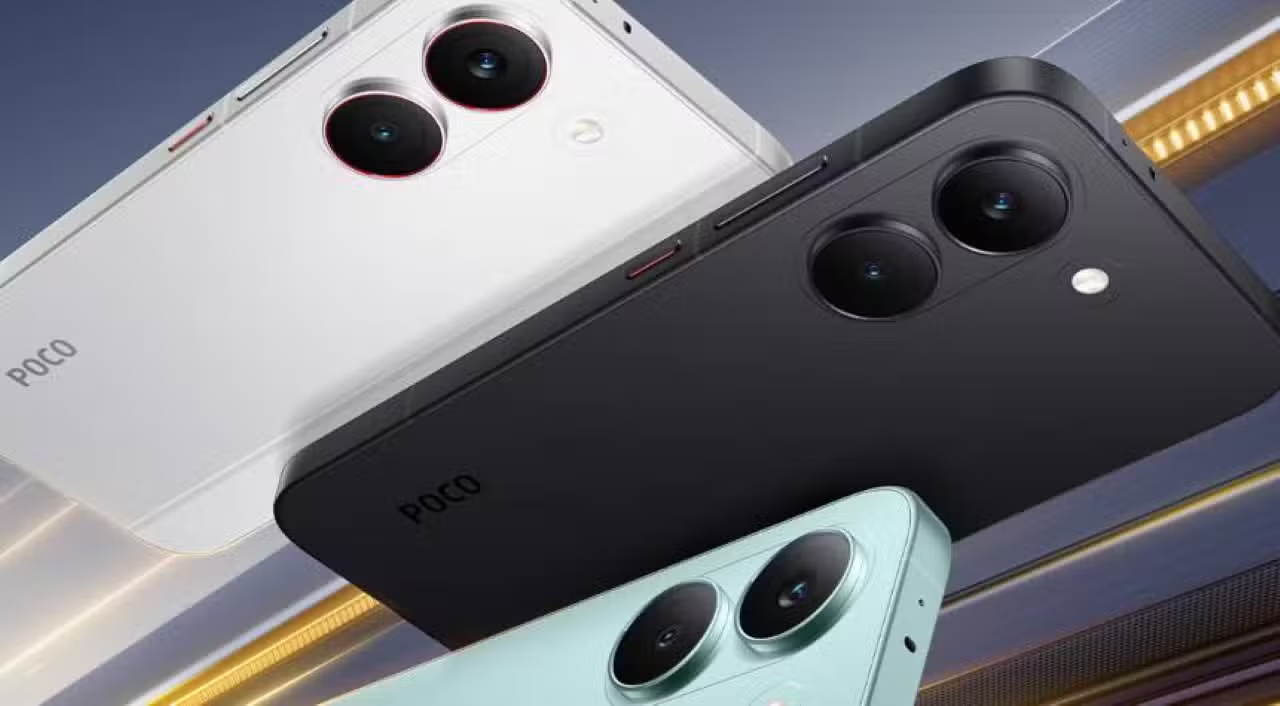
The 2026 premium mid-range smartphone market presents a head-to-head contest between the Poco X8 Pro and the Motorola Edge 70 Pro. The two devices hit the shelves with robust specifications, including the MediaTek Dimensity 8500 processor, 6,500 mAh batteries and screens with AMOLED technology. The refresh rate of 120 Hz ensures fluid navigation on both panels. Manufacturers deliver hardware sets that rival models from higher categories.
Apesar of the similarities in the technical data sheet, the companies adopt different commercial strategies to attract consumers. Xiaomi targets the Poco X8 Pro at audiences who demand high performance in electronic games and system stability. The Motorola positions the Edge 70 Pro as an option focused on balancing image capture, exterior finishing and media consumption. The difference in value in Brazilian retail reaches the R$2,000 mark, a factor that changes the dynamics of buyers’ choice and moves the technology sector.

Sistema Cooling Optimized for Intense Gaming
The two cell phones operate with the MediaTek Dimensity 8500 chipset, sharing the same central processing and graphics architecture. The Poco The practical distinction between the models occurs in internal thermal management. The Xiaomi device incorporates POCO 3D Ice Loop technology, consisting of a double-layer vapor chamber with a total area of 5,300 mm².
Essa heat dissipation structure is specifically designed to withstand the load of heavy applications and continuous usage sessions. The component offers around 7 cm² more cooling surface when compared to the system integrated in the Motorola Edge 70 Pro. The increased capacity allows the device to maintain lower operating temperatures. Thermal control prevents the automatic reduction of processor speed, a phenomenon known as thermal throttling.
The Poco X8 Pro software also integrates the exclusive Wild Boost function. The tool performs intelligent scaling of graphics rendered in Full HD resolution, adapting the images to the panel’s native resolution. The process results in a higher frame rate per second. The graphics processing unit works with less overhead when executing titles. Frequent Jogadoress note thermal stability and visual fluidity as direct impacts of this combination of hardware and software.
Velocidade charging and battery life
Energy capacity represents a point of convergence between the two smartphones analyzed. Ambos houses 6,500 mAh batteries, driven by the energy efficiency of the processor manufactured in 4 nanometer lithography. Avaliações techniques carried out by the Beebom Gadgets portal indicate that the Poco The standardized test included continuous video playback, browsing social platforms and playing electronic games.
The technical divergence appears when replenishing power to the devices at the socket. The Poco
The superior specification of the Xiaomi reduces the total time the cell phone needs to remain connected to the power grid. Profissionais and users with dynamic routines benefit from the ability to recover a significant percentage of the battery in just a few minutes. The technical advantage becomes daily practicality for those who depend on their smartphones as their main work and communication tool.
Disparidade pricing and physical dimensions
The financial factor establishes the greatest distance between competitors in the national market in 2026. The Poco X8 Pro arrived at the Brasil in March, with a suggested price of R$6,999. The Motorola Edge 70 Pro arrived in stores in May, costing between R$4,499 and R$5,999, depending on the RAM and storage configuration chosen by the customer.
The current e-commerce scenario shows an accelerated devaluation of the Xiaomi model. The global versions sold on marketplaces lowered the final value of the product for the consumer. The Poco X8 Pro is currently sold for around R$2,299 on the Mercado Livre platform. The Motorola Edge 70 Pro maintains greater retail price stability. The device can be found for R$4,499 on the Amazon website.
The difference of approximately R$2,000 transforms the Xiaomi device into an alternative with strong economic appeal. Além’s reduced cost, physical design meets a specific demand from the public looking for ergonomics. The current market prioritizes large screens, but the Poco X8 Pro bets on a more compact and easy-to-handle format.
- The Poco X8 Pro has a 6.59-inch screen.
- The total height of the device’s chassis measures 157.53 millimeters.
- The Motorola Edge 70 Pro features a larger panel, measuring 6.8 inches.
- The Motorola model is 5.17 millimeters taller than the direct competitor.
The reduced dimensions of the Poco X8 Pro make it easy to handle the equipment with just one hand during daily use. Transport in pockets and small compartments also becomes more practical for the user. Improved ergonomics attract consumers who reject the industry’s trend of making increasingly larger and heavier cell phones.
Desempenho in testing and system longevity
The numbers recorded on benchmark platforms attest to the processing capacity of the Poco X8 Pro. The device reached the mark of 1,980,087 points in the AnTuTu measurement application. The score confirms the hardware’s ability to handle complex tasks and high-end games without experiencing crashes. The GSM portal Arena conducted practical tests that resulted in more than ten hours of uninterrupted game play on the device.
The fluidity of the interface is guaranteed by the 120 Hz AMOLED screen, which responds quickly to touches and menu transitions. Consistent performance covers both leisure time and the use of corporate productivity applications. The external structure of the smartphone uses metal components in its construction. The material provides resistance against impacts and accidental twists, protecting internal components.
The software life cycle represents another pillar of the Chinese manufacturer’s strategy. The Poco X8 Pro leaves the factory running the Android 16 operating system natively. The company ensures delivery of version updates up to Android 20. Extended support ensures access to new security features and functionality for an extended period. The combination of sturdy hardware, efficient cooling and updated software projects a long lifespan for the smartphone in today’s market.