Fans create SNES-style Final Fantasy 16 with pixel art and turn-based combat
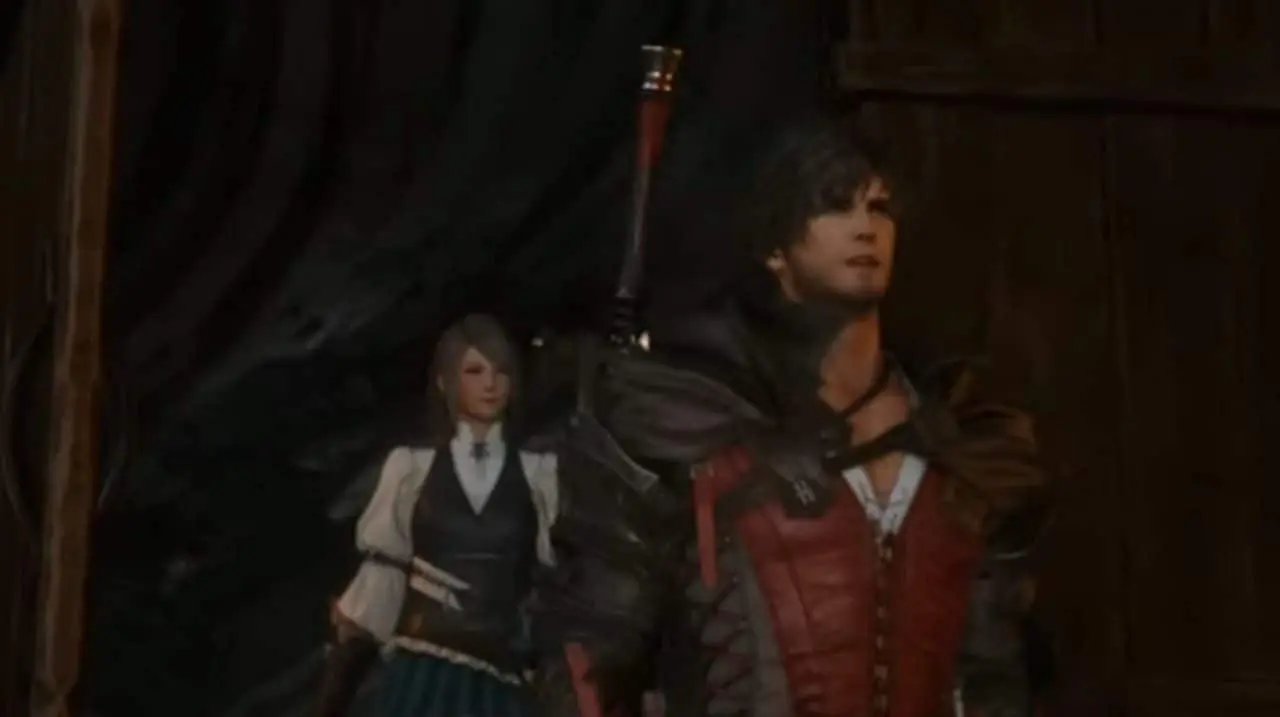
The New Retro Indies fan group released Final Fantasy 16 Demake, a recreation of the Square Enix game with the visual aesthetics of the series’ classics for the SNES. The project completely transforms the experience of the original title, replacing dynamic real-time combat with a turn-based strategic system. The initiative demonstrates the gaming community’s continued fascination with retro pixel art and the visual identity of 1990s RPGs.
The demake repositions Clive Rosfield, protagonist of Final Fantasy 16, in a world seen from above similar to the classic games in the series. Game systems have been fully adapted to reflect traditional turn-based RPG mechanics, maintaining the core narrative but reinterpreting it through a retro lens.
Recriação reliable visual and sound
The developer team rebuilt not only the graphics, but also the entire combat architecture. Valisthea, the main scenario of Final Fantasy 16, gained an isometric perspective typical of SNES titles, where monsters and characters appear in sprite pixel art format. Essa’s visual transformation isn’t just cosmetic — it fundamentally changes how the player interacts with the game.
The soundtrack received equally detailed treatment. The project includes 18 chiptune versions of Final Fantasy 16’s original songs, combined with sound effects taken from the Final Fantasy games released for the SNES. Esse’s audio work rescues limited electronic instrumentation and sound synthesis patterns characteristic of the 16-bit era, creating a coherent nostalgic experience.
Full coverage: Latest News (EN)
Múltiplos creators collaborated on the production of the pixel art, distributing the visual workload among the team. The result is a respectful interpretation of the original work that maintains the identity of characters and settings while translating them into a completely different graphic language.
Mecânicas Combat Reimagined
The battle system completely abandons the real-time combat of Final Fantasy 16. In its place, a turn-based model emerges where Clive faces several opponents in calculated tactical sequences. Essa change reflects the historical roots of the series, rescuing the essence of the first titles that defined the JRPG genre.
Attack, magic and item options return as key strategy components. The player must plan each move considering:
See Also

Nintendo launches nine games in May 2026 to unite Switch generations

NASA accelerates Artemis 3 mission with assembly of the Orion spacecraft and new tests
Apple system update crashes cell phones and drains battery quickly
- Ordem of action between allies and enemies
- Custos mana for spells
- Distribuição of healing items
- Debuffs and turn-applied buffs
Esse format favors advance planning over quick reflexes, offering a classic RPG experience that resonates with series veterans.
Disponibilidade and copyright
The project will not be commercialized to respect Square Enix’s copyright. Final Fantasy 16 Demake will remain an unofficial fan project, accessible for free download on the PC platform. Essa approach allows the creator community to avoid legal conflicts while offering an alternative experience to interested players.
Free access to demake reflects the common philosophy among fan projects that seek to honor original works through creative, non-profit reinterpretations. Free availability also democratizes access to a unique design proposal from one of the biggest recent RPG releases.
Fascínio lasting by pixel art
The existence of Final Fantasy 16 Demake highlights the continued attraction that pixel art has on developers and players. Apesar’s technological advancements in 3D rendering and realistic graphics, 16-bit aesthetic maintain significant appeal in the gaming community. Essa preference transcends nostalgia — it represents a deliberate choice of artistic expression.
Similar Projetos continue to emerge regularly, with fans recreating modern titles in retro styles. The practice validates the permanence of pixel art as a legitimate and appreciated visual language, capable of transmitting complex narratives and emotion to the player, regardless of its limited visual resolution.
The success of the Final Fantasy 16 demake reaffirms that the quality of a game does not depend exclusively on computational power or graphical fidelity, but on intelligent design, engaging narrative and well-executed mechanics — principles that have remained valid since the emergence of video games.