August 2026 astronomical calendar records total solar eclipse and partial lunar phenomenon
The month of August 2026 holds two astronomical events of great relevance for observers on different continents. The first phenomenon consists of a total solar eclipse scheduled for August 12th. Semanas later, between August 27th and 28th, the calendar records the occurrence of a partial lunar eclipse. The two events are part of the second eclipse season of the year. The alignment of the stars follows known mathematical patterns.
Celestial mechanics allows accurate prediction of dates and locations of visibility. The solar event reaches the totality phase in specific bands of Hemisfério Norte. Lunar dimming covers a much larger geographic area. Moradores and Américas can follow the projection of the Earth’s shadow. Observation requires different preparations for each date.
On the same topic: Blue Moon astronomical phenomenon occurs on May 31st and marks the thirteenth full phase of the year
Trajetória and solar event visibility in Europa and Ártico
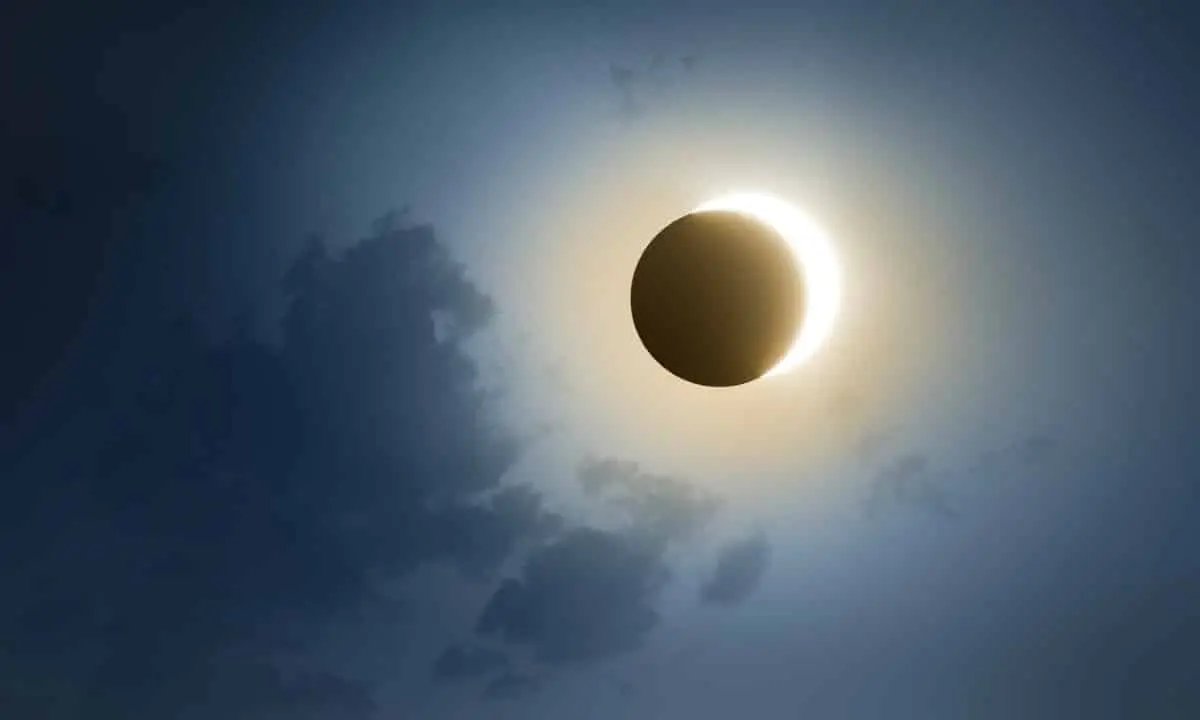
The August 12, 2026 total solar eclipse features a shadow path that initially intersects Oceano Ártico. The band of totality passes through areas of Groenlândia and Islândia before reaching the European continent. The northern region of Espanha concentrates much of the phenomenon’s terrestrial visibility. Partes of Rússia and the extreme northeast of Portugal also record complete blocking of sunlight. The event marks the first total eclipse visible on the continental Europa since 1999 in several locations.
Durante the maximum phase, the solar disk is entirely covered by Lua. The sky darkens significantly during the day. The solar corona becomes visible to the naked eye for a short period. The maximum duration of totality reaches about two minutes and eighteen seconds at points close to the west coast of Islândia. Outras regions of Europa, África and América of Norte observe the phenomenon only in its partial phase.
The advancement of the lunar shadow over Spanish territory attracts the attention of experts. Cidades like Coruña, Bilbao and Zaragoza are located within or very close to the totality band. The geographic positioning of these municipalities makes it easier to monitor solar blocking. Em Portugal, observation of total darkening is restricted to very limited areas of the northern border. The rest of the Península Ibérica notices a gradual decrease in brightness.
Características from lunar dimming between August 27th and 28th
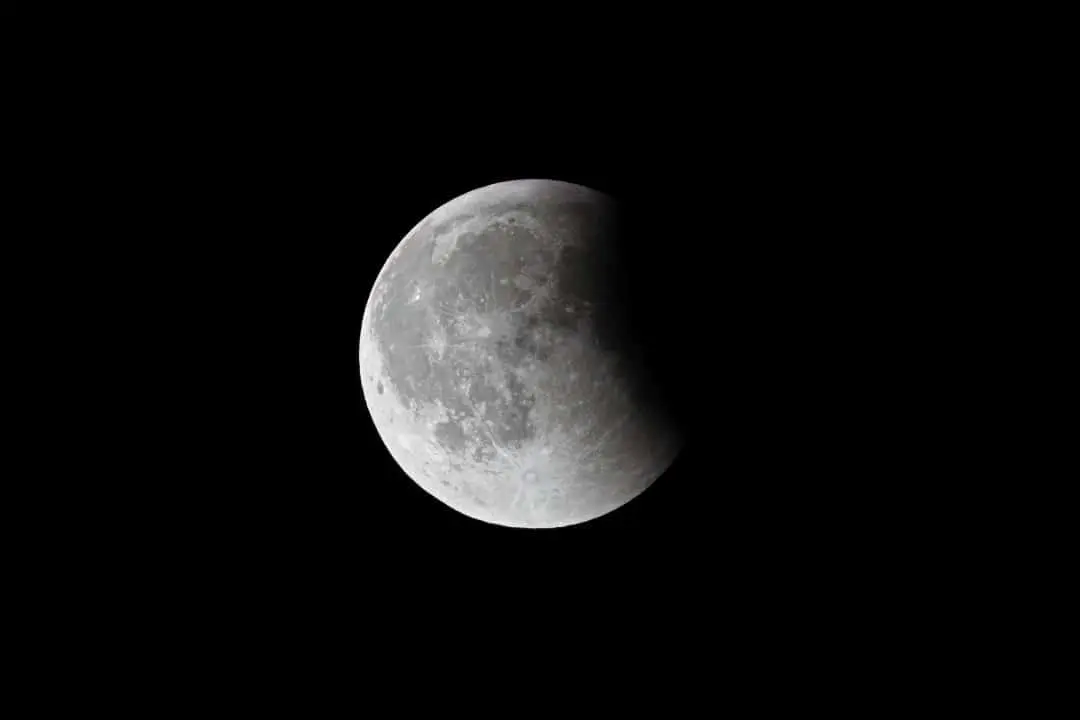
The second event of the month is a partial lunar eclipse with a wide coverage area. The phenomenon occurs between the night of August 27th and the early morning of August 28th, 2026. The threshold magnitude calculated for the date reaches 0.93. The index indicates that almost the entire surface of the natural satellite falls into the darkest shadow area of Terra. The darkening reaches its peak in the early hours of the 28th.
More on this story: Supermoon phenomenon reaches maximum approach to Earth in November 2026 with size 14% larger
Lunar eclipse visibility covers parts of Américas, Europa, África and Ásia Ocidental. Brasil is in the favorable observation zone for the event. Residents of different regions of the country can notice the satellite’s color change during the night. Lua acquires darker or redder tones as it moves through the Earth’s shadow. The complete process takes a few hours from the first contact with dim light.
See Also

David Jolly secures Democratic seat to run for governor of Florida in 2026
Jolly wins Democratic nomination for governor of Florida in the USA

Meta (WhatsApp, Instagram and Facebook) is subject to trial in the USA for damaging the mental health of young people with fines of US$ 1.4 trillion
Diferente of solar blocking, the lunar eclipse allows simultaneous viewing of any point on the planet where the star is above the horizon. The rotation of the Terra does not limit observation to a narrow corridor. Local weather conditions represent the main impediment to monitoring. The clear sky guarantees the visualization of all stages of the lunar transit.
Mecânica orbital and differences between celestial phenomena
The occurrence of eclipses depends on the precise alignment between Sol, Terra and Lua. The inclination of the lunar orbit in relation to the Earth’s orbital plane prevents the phenomena from happening every month. Events focus on specific windows known as eclipse seasons. The spatial configuration defines the characteristics of each light block.
Learn more: Europe prepares for astronomical spectacle with total solar eclipse in 2026
- The solar eclipse occurs exclusively during the new Lua phase, when the satellite crosses the imaginary line between Terra and Sol.
- The totality phase of the solar event is restricted to a band a few kilometers wide on the Earth’s surface.
- The lunar eclipse only occurs in the full Lua phase, when the planet Terra casts its shadow in space.
- Regions with partial visibility of Sol require the use of protective equipment throughout the duration of the phenomenon.
The apparent proximity of the stars in the sky determines the intensity of the light blocking. In the case of the August 12th event, the distance of Lua allows for exact coverage of the solar disk. In the event at the end of the month, the near-perfect alignment results in a high threshold magnitude. Astronomical cycles repeat at regular intervals cataloged by research institutes.
Recomendações security for observers and photographers
Direct observation of the Sol presents severe risks to eye health. Especialistas reinforce the mandatory use of internationally certified filters to monitor the solar eclipse. Common dark Óculos, x-ray plates or dark films do not offer adequate protection against radiation. Naked-eye viewing is only permitted during the brief minutes of totality. The return of light requires the immediate replacement of safety equipment.
Learn more: Supermoon reaches closest approach to Earth in November 2026 with increase in brightness and size
The lunar eclipse does not impose safety restrictions on observers. The light reflected by the natural satellite does not cause damage to the human retina. Monitoring can be done with the naked eye, with the help of binoculars or through amateur telescopes. Fotógrafos use cameras with long-range lenses and tripods to record the advance of the Earth’s shadow. Astronomy Aplicativos helps in the exact location of stars in the night sky.
Prior planning makes it easier to observe the phenomena of August 2026. Checking the exact local times avoids missing the peak phases of each event. Expedições scientific teams organize trips to areas of totality on Hemisfério Norte. The annual astronomical calendar follows its natural course with the conclusion of this second eclipse season.