

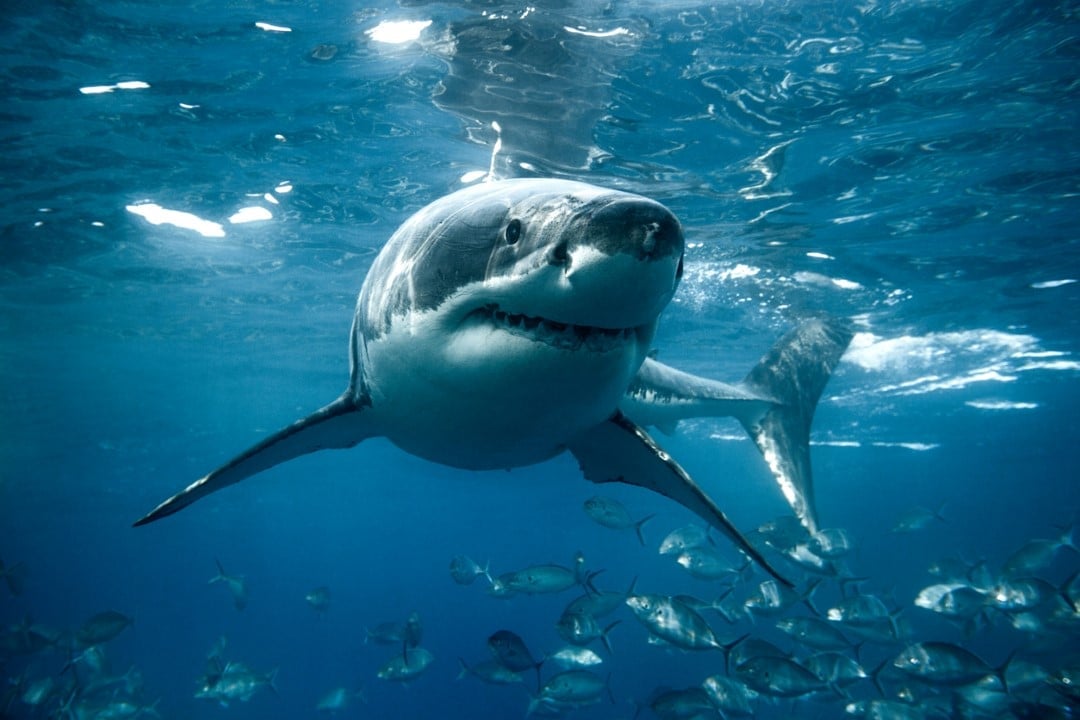
Pernambuco experienced four shark incidents in 2026. Dois of them, serious ones, occurred on Grande Recife in less than 24 hours. An 11-year-old boy and a 19-year-old girl lost parts of their legs after the attacks. The cases have reignited the debate about the risks on beaches in the metropolitan region.
Researcher Mariana Rêgo, from Comitê Estadual from Monitoramento from Incidentes with Tubarões (Cemit), compares the scenario of the continental coast with that of Fernando from Noronha. The island has recorded 14 of 84 total incidents since 1992. Nenhum resulted in death.
Preserved Ecossistema favors coexistence in Noronha
Fernando of Noronha maintains a marine environment with less human interference. The clear waters allow swimmers and sharks to see each other easily. Isso reduces the risk of confusion between people and natural prey.
Mariana Rêgo highlights that the transparency of the water on the island contributes to safety. Tubarões circulate in the region, but records of serious incidents are occasional. Dois More serious cases occurred in Baía and Sueste, both attributed to tiger sharks.
- A tourist lost an arm in December 2015.
- An 8-year-old girl needed a leg amputation in January 2022.
The bay meets specific conditions. Sedimentos fines make the water cloudier when agitated. Algas attract turtles, which serve as food for tiger sharks. Therefore, swimming in the sea has remained prohibited in the area since the last episode. Pesquisadores of Universidade Federal Rural of Pernambuco (UFRPE) evaluate protocols for possible reopening.
Human Influência changes scenario in Grande Recife
Região Metropolitana of Recife faces increased pressure from human activities. Pesca of trawl, sewage and pollutants alter the marine balance. Rios carry organic matter to the sea. Essas conditions attract species considered more aggressive.
Tubarões Bull sharks and tiger sharks frequently appear off mainland coastlines. The murky water common in the area makes visibility difficult. Animals can mistake swimmers for prey.
The numbers confirm the difference. Of the 84 occurrences since 1992, most are concentrated on beaches such as Boa Viagem and Piedade. In 2026, recent attacks involved 11-year-old João Lucas, Piedade’s Praia, Guararapes’s Jaboatão, on Sunday (31). The next day, 19-year-old Marcela Vitória Santos was attacked in Boa Viagem, in Recife. Ambos remains hospitalized in serious condition at Hospital and Restauração.
Espécies and behavior vary between regions
The researcher explains that dominant species influence risk. Em Noronha, the tiger shark appears as the main one among the most aggressive. No Recife, in addition to it, the bull shark also registers a notable presence.
Animal behavior responds to the environment. In preserved waters, sharks maintain more predictable patterns. Já in impacted areas, the search for food intensifies near the coast.
Mariana Rêgo reinforces that sea bathing in Fernando of Noronha can occur safely. Basta respect guidelines. Evitar shark feeding schedules help. High visibility allows for responsible coexistence.
Recomendações for swimmers on the continental coast
Especialistas guide specific care for Região Metropolitana. Áreas without reef protection poses greater risk. High Maré, full moon, new moon and rainy days require extra attention.
- Evitar stretches without external reefs.
- Preferir low tide times and natural pools.
- Respeitar bathing prohibition signs.
- Não enter the sea on days of heavy rain.
Cemit monitors cases and guides preventive actions. Estudos continue to understand sharks’ movement patterns. UFRPE should start monitoring with microchipping from June.
Histórico of incidents reinforces the need for prevention
Desde 1992, Cemit accounts for interactions in Pernambuco. Fernando of Noronha accounts for a small fraction of the records. The absence of deaths on the island contrasts with the severity of some episodes on the mainland.
The two recent attacks on Grande Recife occurred on historically known beaches. João Lucas was taking a shower when he was bitten. Marcela Vitória swam with family and friends. The cases generated commotion and drew attention to security measures.
Pesquisadores reminds us that sharks play an essential role in marine balance. Preserving ecosystems helps reduce risks. Em Noronha, the coexistence model serves as a reference. No Recife, sanitation and environmental education actions remain priorities.
The debate about prevention continues. Autoridades and scientists are looking for solutions that protect swimmers without compromising marine fauna.