

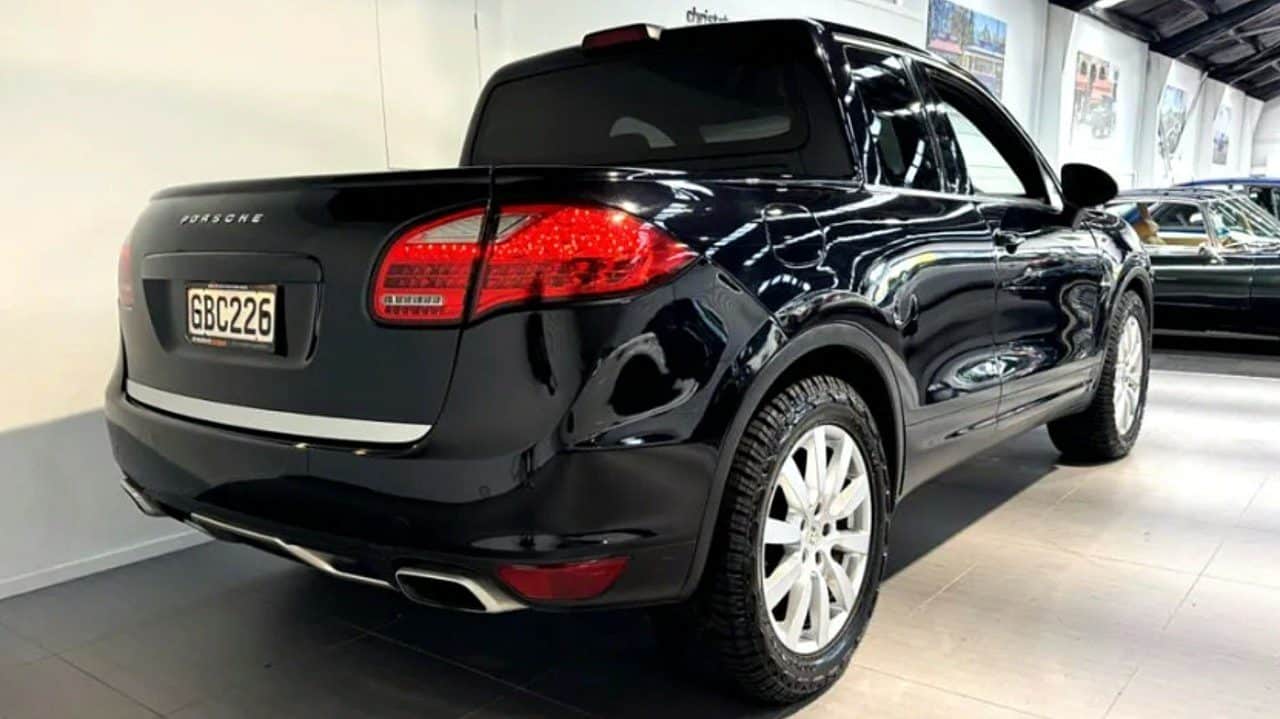
An automotive engineering project transformed a luxury SUV into a unique cargo vehicle in the Nova Zelândia. The Porsche Cayenne S model, originally manufactured in 2011, lost part of its rear cabin to make way for a functional open truck bed. The radical modification required precise cuts to the original chassis structure. Local Engenheiros needed to adapt the body without compromising the torsional rigidity of the German car. The end result generated a unique example on the international market.
The process of regularizing the customized vehicle required a financial investment greater than the current market value of the car. The owner shelled out around US$47,700 just for certification fees and safety tests required by New Zealand traffic authorities. The luxury pickup truck is now available for purchase at a specialized dealership. The model attracts attention from collectors and professionals in the automotive sector due to the technical complexity of the conversion.
Engenharia applied to body transformation
The conversion of a second-generation sports utility vehicle into a pickup truck requires profound structural changes. The project team completely removed the rear doors and the rear section of the metal roof. The space for rear seat passengers and the traditional trunk has disappeared. A short bucket was molded using the Porsche Cayenne’s own original bodywork. Nenhuma exterior part from other automakers was added to the exterior design during bodywork.
The rear cargo door received special hinges to operate identically to the lid of a conventional pickup truck. A metal and glass partition was installed just behind the front seats. Esta wall isolates the air-conditioned cabin from the external environment. The total length of the car remained at 4,846 millimeters. The distance between the axles did not undergo any lengthening or shortening during the platform cutting process.
The weight removed from the upper part of the body compensated for the structural reinforcements added to the floor of the new cargo area. The original suspension system supports the new mass distribution without presenting dynamic imbalance during curves. The car’s behavior on paved roads remains similar to that of the original factory model. The aerodynamics underwent inevitable changes due to the open shape of the rear. Testes practical tests confirmed the stability of the set at cruising speeds.
Mechanical Conjunto preserves factory features
Apesar of the drastic change in the external appearance, the heart of the vehicle remains intact under the hood. The 3.0-liter V6 turbodiesel engine continues to operate at its original manufacturer specifications. The engine delivers 240 horsepower. Torque reaches the mark of 550 Nm. The force generated guarantees vigorous acceleration even with extra weight in the bucket. The durability of this diesel engine is recognized in the global automotive market.
The eight-speed automatic transmission manages the delivery of power to the wheels continuously. The Porsche Traction Management system intelligently distributes traction between the front and rear axles according to the terrain’s needs. Grip on slippery surfaces is guaranteed by permanent all-wheel drive. The mechanical assembly demonstrates robustness to face different types of paving without requiring additional adaptations.
Engineers maintained the following original components in the final design approved by authorities:
- Motorização V6 turbodiesel with 3.0 liters of volumetric capacity
- Full-wheel drive Sistema with electronic management
- Caixa eight-speed automatic transmission with sequential shifts
- Original Rodas alloy wheels shod with Cooper all-terrain tires
- Sistema ventilated disc brakes at four ends of the chassis
The odometer on the instrument panel records 204 thousand kilometers driven since leaving the assembly line. The complete maintenance history is included in the vehicle’s official documentation. The dealership certifies that all mechanical inspections took place within the deadlines stipulated by the German manufacturer. The use of mixed-use tires increases the car’s ability to travel on dirt roads.
Custos approval and devaluation in the market
Nova Zelândia traffic legislation imposes strict rules for vehicles that have been severely modified by independent workshops. The process of legalizing this pickup truck required impact tests, chassis torsion analyzes and detailed road safety inspections. The previous owner spent more than NZ$80,000 to obtain the final circulation certificate. Este value equates to approximately US$47,700 in direct currency conversion. The high cost reflects the bureaucracy involved in approving a car cut in half.
The dealership Christchurch European took over the sale of the exclusive model in its yard. The price charged in the window is NZ$49,996, which represents around US$29,800. The business mathematics reveals a sharp financial devaluation. The current sales price does not even cover the expenses spent on government approval paperwork. The acquisition cost of the base car and the transformation labor do not enter this depreciation account.
Analistas from the customized vehicle market point out that unique projects tend to suffer a sharp drop in price at resale. Exclusivity attracts curious people. The number of real buyers willing to invest money remains low. The transformed Porsche Cayenne caters to an extremely specific niche of local consumers. The new owner will take to the garage a car that is unlikely to be replicated in the country.
Acabamento internal and maintained luxury equipment
The interior of the cabin directly contrasts with the utilitarian proposal of the newly created external bucket. The environment preserves the standard of finishing demanded by the German brand’s traditional customers. The sports seats are covered in high-quality black leather. The seat heating system remains fully functional. The two-zone digital air conditioning allows independent temperature adjustments for the driver and front passenger.
The dashboard houses the original navigation system. The multifunctional steering wheel is on the right side. The configuration meets the English hand standard adopted on New Zealand highways with technical precision. Sensores assist with maneuvers. The cabin’s acoustic insulation has been redone in the area of the new rear partition wall to ensure silence at high speeds. The ergonomics of the controls did not change during the structural reform.
The list of factory equipment includes headlights with LED technology for long-range night lighting. A radar detector built into the dashboard is part of the accessory package installed by the car’s previous owner. The front seats have electrical adjustments and position memory for different drivers. The side windows have privacy treatment with original tint. The pickup remains on display in the store’s sales floor at Christchurch awaiting a definitive buyer.