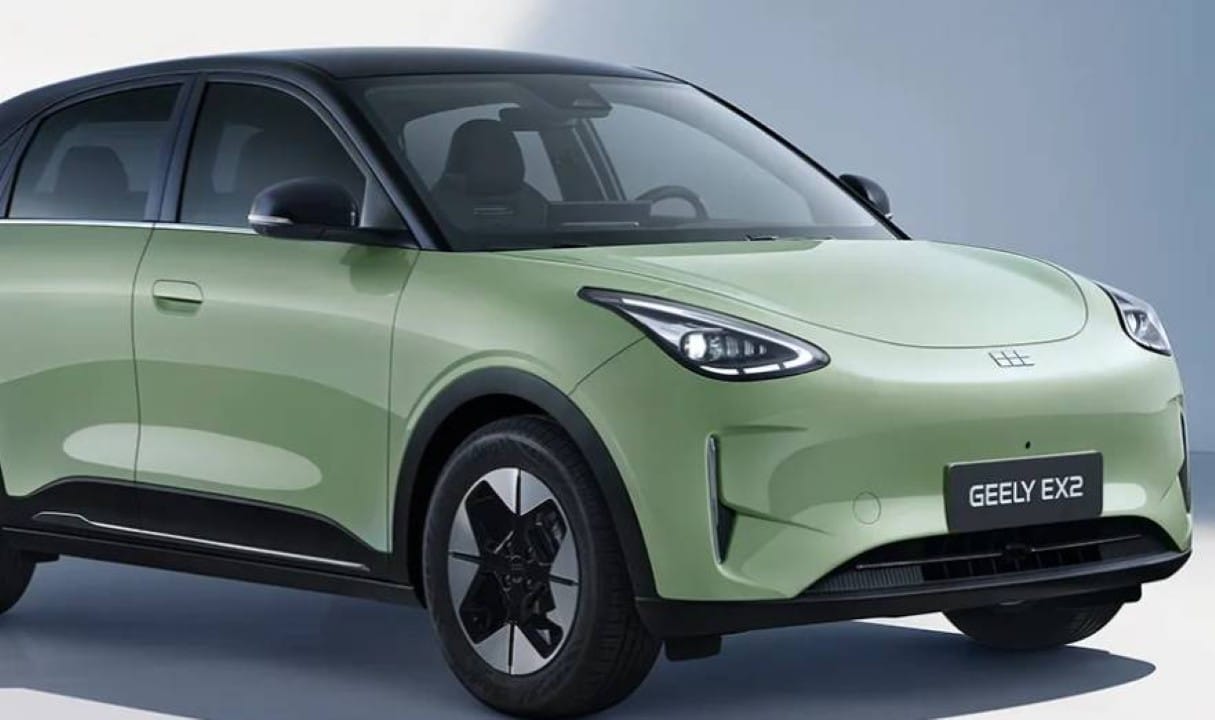
Chinese automaker Geely has announced a comprehensive update for the compact electric vehicle Xingyuan, also known as EX2, introducing new artificial intelligence features and increased battery capacity. The model arrives on the Asian market with a starting price of US$9,133, aiming to maintain competitiveness in the zero-emission urban car segment. The manufacturer implemented direct changes to the car’s navigation system and energy efficiency.
The decision to bring forward the renewal of the catalog comes after the company recorded a slight decline of 3% in the line’s annual sales. The official launch of the new version is scheduled for next month, during which time the automaker will complete final road tests on Chinese roads. The project seeks to balance production costs with the delivery of technologies previously restricted to higher category vehicles.
Sistema for artificial intelligence and autonomous driving
The main highlight of the Geely Xingyuan EX2 upgrade is the integration of the Geely Afari Smart Driving (G-ASD) system. The technology, initially presented during the CES electronics fair at the beginning of the year, uses artificial intelligence to manage driver assistance functions. The software processes data in real time to aid driving in dense urban environments. The brand’s Engenheiros developed the program to facilitate maneuvers in narrow streets and complex parking lots.
The security package includes sentry mode, a tool that uses the vehicle’s cameras to continuously monitor and record the perimeter when the car is parked. The addition of this feature fills a technological gap in the previous model, which lost space to direct competitors equipped with similar systems. The BYD Seagull, for example, already offered God’s Eye technology, requiring a quick response from Geely to level the playing field in the domestic market.
The vehicle’s doors also received automation integrated into the central system, allowing openings and closings controlled by proximity sensors. G-ASD’s electronic architecture is designed to receive remote updates, ensuring that autonomous driving software evolves without the need for dealership visits. Especialistas from the automotive sector point out that the popularization of radars and high-definition cameras in entry-level cars changes the standard of consumer demands.
Novas battery and fast charging options
The mechanical structure of the entry-level and intermediate versions remains unchanged, maintaining the electric motors already known to the public. The base model continues to be equipped with an 80 horsepower engine and a 30.12 kWh battery. The mid-range configuration delivers 114 horsepower, powered by a 40.16 kWh storage component. The mechanical novelty focuses on the introduction of a third battery option, aimed at drivers who need greater daily range.
Geely has added a 47 kWh battery pack to the Xingyuan EX2 catalog, increasing the vehicle’s maximum range to 300 miles. Este number is based on the CLTC test cycle, the standard used by China regulatory authorities. The metric usually presents superior results to the European WLTP and North American EPA cycles, but still represents a significant leap compared to the previous generation. The internal space was not compromised by the new piece.
Recharging time has been drastically reduced thanks to improvements in the battery’s thermal management system. The new model can recover a charge from 30% to 80% in just 19 minutes when connected to ultra-fast charging stations. The previous version required 30 minutes to perform the same procedure. Optimizing energy flow reduces waiting times on long journeys and facilitates the use of the vehicle by app drivers and urban fleet owners.
Preços reduced and market strategy on China
The pricing policy adopted by Geely reflects the aggressiveness of the Chinese automotive market, where dozens of manufacturers compete for consumer preference with constant cuts in prices. The automaker chose to reduce the entry price of the Xingyuan EX2 to attract first-time buyers and customers looking to transition from combustion engines to electrification.
The restructuring of values positions the electric compact in a lower price range than last year. The commercial strategy aims to recover lost market share and establish a new negotiating floor for the urban vehicle category. The values released for the Asian market follow the following structure:
- Starting Preço of new Xingyuan EX2: $9,133.
- Previous model entry Valor: US$9,700.
- Estimated Preço of the top-of-the-line version with 47 kWh battery: US$14,000.
The difference of US$567 on the basic model represents a considerable saving for the income profile of the target audience at China. The price war in the electrical sector forced companies to optimize their supply chains, reducing profit margins in exchange for sales volume. Geely is betting that the combination of a lower price with superior equipment will create a competitive advantage that will be difficult for emerging automakers to match in the coming quarters.
Atualizações design and internal connectivity
The vehicle’s interior underwent a technological overhaul with the adoption of the Flyme Auto 2.0 operating system. The infotainment platform offers faster responses to touch and voice commands, in addition to natively integrating Apple CarPlay. Compatibility with Apple’s system meets a long-standing demand from users, making it easier to mirror navigation, music and messaging applications directly on the dashboard’s central screen.
The external design maintained the visual identity that established the model, preserving the rounded lines and characteristic headlights. The automaker’s styling team focused the changes on specific details, introducing new designs for the alloy wheels, which now feature a more aerodynamic shape to reduce drag at high speeds. The body color palette gained two new options, expanding customization possibilities for customers.
The modernization of the Xingyuan EX2 demonstrates the speed of renewal required by the electric vehicle industry today. Automakers need to update their products in much shorter cycles than the traditional five or six years seen in the era of combustion engines. The integration of advanced software and efficient hardware has become the minimum standard for survival in a scenario where embedded technology defines the modern consumer’s purchasing decision.