

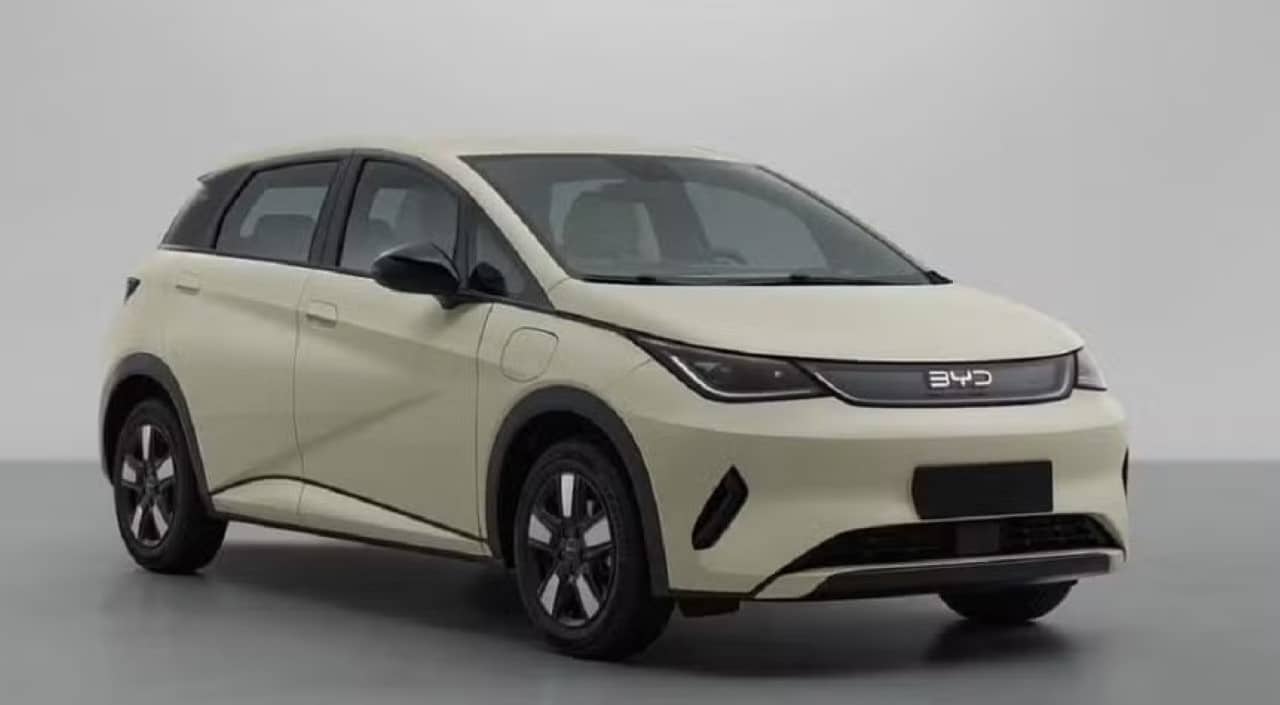
Chinese manufacturer BYD has officially announced the arrival of the Dolphin Special Edition 2027 to the Brazilian market. The electric model debuts with a suggested price of R$159,990 and strategic positioning in the brand’s portfolio. The novelty fills the commercial gap between the entry-level GS version, priced at R$ 149,990, and the top-of-the-line Plus variant, sold for R$ 184,800. The launch aims to intensify the competition in the battery-powered compact hatchback segment in the country.
The introduction of the vehicle occurs at a time of expansion of electric mobility across the country. The car received significant updates to its exterior design and engine. The automaker seeks to attract consumers who demand greater performance without giving up cost-benefit. Especialistas from the automotive sector assesses that the strategy strengthens the company’s leadership in the category throughout 2026.
https://twitter.com/BYDCompany/status/2039810978645151857?ref_src=twsrc%5Etfw
Atualizações in external design and new body dimensions
The car’s appearance was aligned with the latest aesthetic identity of the Ocean line. The front part abandoned the simulated grille of previous versions. The designers adopted a smooth, continuous panel. The aerodynamic change directs airflow more efficiently. The optical assembly maintains its teardrop shape and integrates fluidly into the vehicle’s hood. The sides feature exclusive 17-inch alloy wheels. The design of the wheels acts directly to reduce drag caused by the wind while driving.
The rear bumper has undergone a complete redesign to convey a more robust stance. The change most noticed by consumers involves the removal of the phrase in full on the trunk lid. The manufacturer replaced the old inscription with a simplified BYD logo. The emblem is positioned just below the LED light bar. The modification meets a demand from the Brazilian public for a cleaner and more minimalist visual finish. The structure of the car also underwent important changes to accommodate the new design.
- The total length reached 4,280 millimeters, representing an increase of 15.5 centimeters compared to the base model.
- The wheelbase remained at 2,700 millimeters to guarantee interior space for occupants.
- The width of the car was set at 1,770 millimeters, while the height of the body measures exactly 1,570 millimeters.
- The trunk offers capacity for 250 liters of luggage, even without the presence of a front cargo compartment.
Buyers can choose from four color options for the exterior. The catalog includes the shades Obsidian Black, Atlantis Blue, Cheese White and Time Grey. Engineering chose to use the space under the hood to house electrical components and maximize the area allocated to the cabin. The chassis received structural reinforcements to increase safety levels in the event of frontal and side collisions.
Desempenho electric motor and battery system capacity
The mechanical set of the intermediate version presents a significant increase in performance. The electric motor develops 177 horsepower and delivers an instantaneous torque of 29.5 kgfm. The numbers easily surpass the 95 horsepower and 18.3 kgfm offered by the GS configuration. On the other hand, the performance is below the 204 horsepower and 31.6 kgfm available in the Plus option. Acceleration from zero to 100 km/h takes place in eight seconds. The vehicle demonstrates agility when overtaking and speeding on highways.
Energy storage uses an Blade battery pack with 45.12 kWh capacity. The system supports fast direct current recharges with a maximum power of 80 kW. Charging from 30% to 80% takes approximately 20 minutes on supported stations. The declared range reaches 405 kilometers in the NEDC test cycle. Actual street range varies depending on driving style and urban traffic conditions.
The battery’s thermal management underwent adaptations to deal with the high temperatures of the Brazilian climate. The liquid cooling system operates continuously to keep the cells at the ideal temperature. The mechanism extends the useful life of the component and preserves energy efficiency on the hottest days. The car has an adjustable regenerative braking system. The driver can configure the intensity of energy recovery to maximize range during braking and deceleration.
Interior redesigned and integration of new connectivity technologies
The cabin’s internal environment underwent a review to deliver a greater perception of quality. The finish adopted darker tones to replace the light colors used in previous models. The front seats have been redesigned with a focus on passenger ergonomics. The floating center console has changed position to optimize the use of space. The new layout allowed for the inclusion of two cup holders and a larger storage compartment.
The digital instrument panel gained a larger screen. The interface displays driving information with clearer, easier-to-interpret graphics. The multimedia center maintains the traditional 12.8-inch rotating screen. The internal software has received a full system update. DiLink equipment now runs on the Google Automotive platform. The integration guarantees greater fluidity in navigation and access to the latest applications on the market. The user accesses tools such as Google Maps and Waze directly on the screen, without the need to mirror the smartphone.
The convenience package includes an induction cell phone charger with 50W of power. The device has an active cooling system to prevent devices from overheating during fast charging. The door and dashboard trim materials combine soft-touch plastics with exclusive textures. Ambient LED lighting allows you to personalize the interior colors. The feature creates a pleasant atmosphere for occupants during nighttime travel.
Suspension Calibração and commercial impact on the automotive market
The engineering team made changes to the car’s dynamic setup for Brazilian roads. The rear suspension system adopted an independent multi-link arrangement. The technical change improved ride comfort and directional stability at high speeds. The shock absorbers and springs received specific calibration to deal with the extra weight of the batteries. The cabin’s acoustic insulation was reinforced with the addition of sound-absorbing blankets. The material reduces the invasion of external noise and tire rolling noise.
The electric steering assistance has variable programming depending on the speed. The steering wheel remains light during parking maneuvers in urban traffic. Stiffness gradually increases at cruising speeds to provide safety to the driver. The vehicle’s dynamic behavior attempts to balance the agility of a compact hatchback with the comfort required by families. The automaker carried out tests in several regions of the country before defining the final product configuration.
The launch strengthens the brand’s presence in national automotive retail. The company leads electric vehicle sales in the Brasil with a wide advantage. The number of registrations totaled 4,557 units in the first quarter of 2026 alone. The volume exceeds the sum of all direct competitors in the same period. The arrival of the new catalog intensifies the competition for consumers seeking the transition to electric mobility. The strategy of filling price ranges makes it difficult for rival automakers trying to gain space in the segment.