

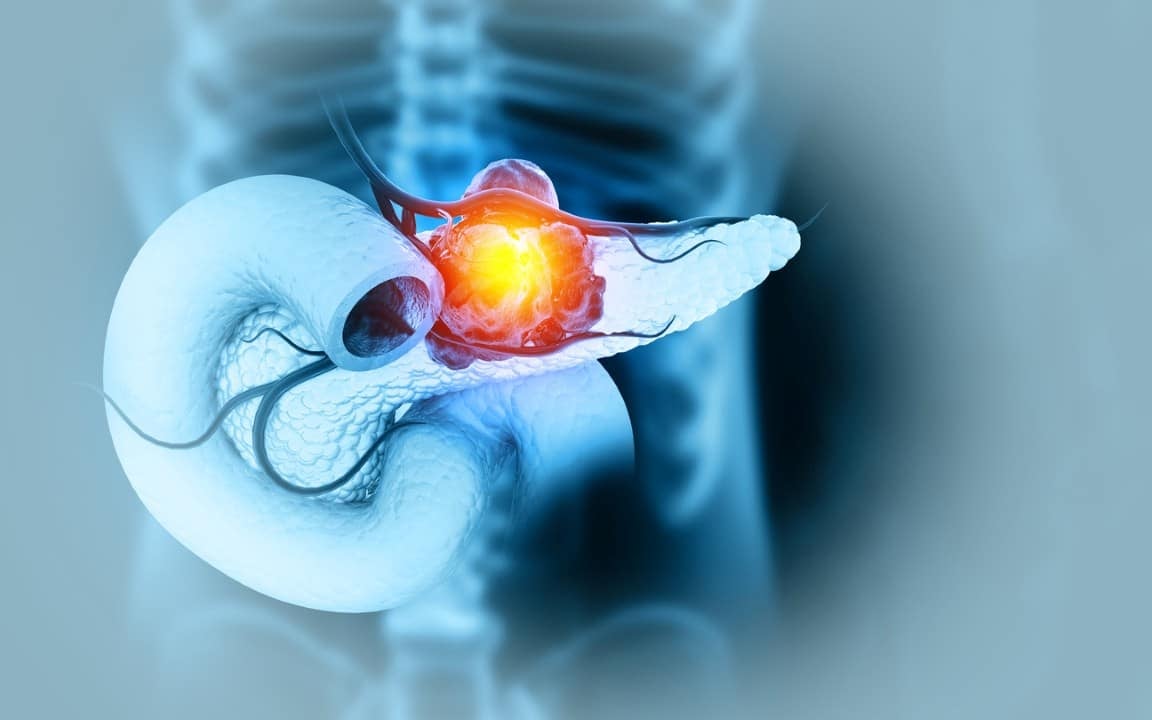
The largest oncology congress in the world presented results that could change the treatment of aggressive tumors. Asco 2026, held at Chicago between May 29th and June 2nd, brought together around 35 thousand professionals. Oncologist Fernando Maluf, from BP – Beneficência Portuguesa of São Paulo and Einstein Hospital Israelita, followed the studies closely.
Ele pointed to progress against pancreatic cancer as one of the most important points. An experimental medicine showed impressive numbers.
Experimental Medicamento doubles survival in pancreatic cancer
Daraxonrasib inhibits a protein present in more than 90% of pancreatic cancer cases. The phase 3 study demonstrated a 60% reduction in the risk of death. Median survival went from 6.7 months with standard chemotherapy to 13.2 months with the new drug.
The presentation of the result generated applause and excitement in the audience. The oral medication acts on mutations in the RAS family, a target that has been considered difficult for decades.
- The drug was tested in patients with metastatic pancreatic cancer
- The research involved centers in several countries
- The data was released in the plenary session of the event
Pesquisadores note that the result represents the biggest advance recorded so far for this type of tumor.
Avanços in bladder and prostate cancer also attracts attention
Estudos on bladder cancer brought additional treatment options. Novas drug combinations have shown gains in disease control. In prostate cancer, the data reinforced strategies already in use and indicated refinements.
Fernando Maluf assessed that the congress delivered consistent progress on multiple fronts. Ele highlighted the increasing understanding of individual tumor growth.
Terapia Cell Expands Reach for Solid Tumors
Cell therapy, such as the CAR-T approach, has gained ground with promising data. Até then more consolidated in hematological tumors, the technique advances to solid tumors. Initial results indicate the possibility of more targeted action.
Especialistas monitor the development of tumor markers. Esses indicators help choose the most appropriate treatment for each patient. Personalization gains strength based on the studies presented.
The Brazilian oncologist cited the balance between scientific advances and access challenges. Novas drugs require time for approval and incorporation into health systems.
What will change in clinical practice in the coming years
The results of Asco 2026 fuel expectations for updated protocols. Câncer of pancreas, one of the most lethal, may soon have a new option. Outros tumors also benefit from refinements.
Fernando Maluf reinforced the importance of monitoring the evolution of studies. Ele participated in the event as one of the Brazilian references on the topic.
The congress reinforces the trend towards more precise treatments. The combination of smart drugs, markers and cell therapies defines the path forward.