

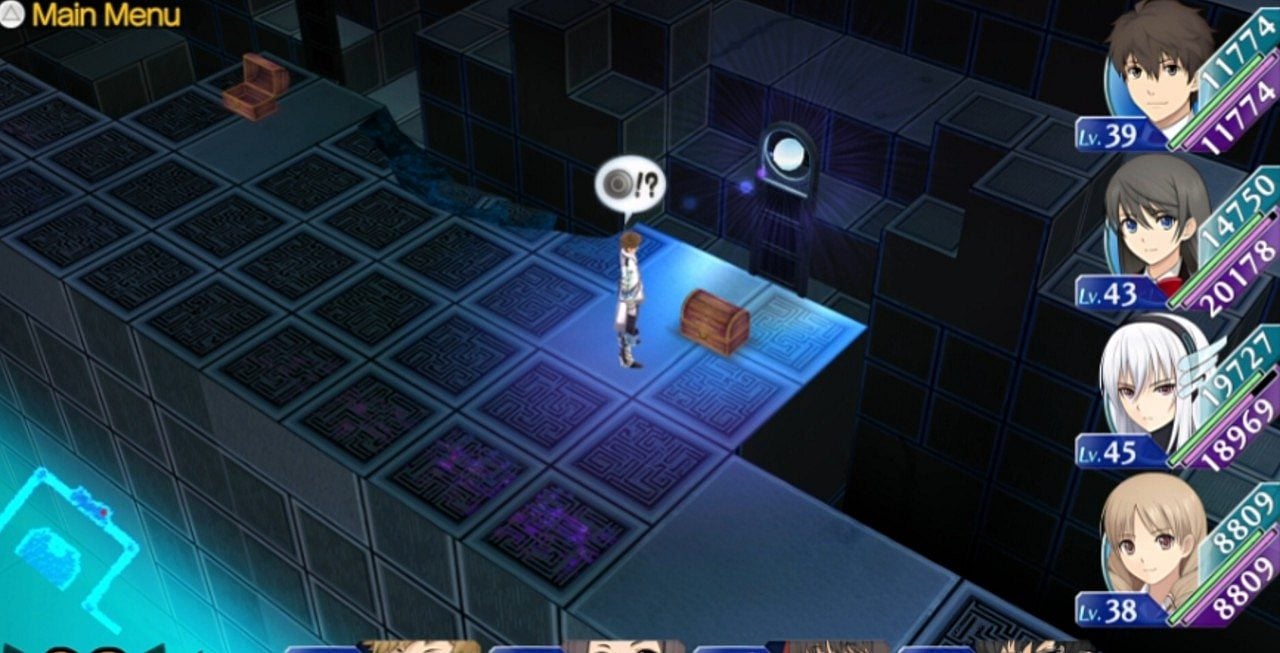
Exstetra, an RPG title originally restricted to the Japanese market during the 2013 handheld generation, will receive a global remaster. Publisher Furyu confirmed the arrival of the new edition for computers on July 30, 2026. The project also includes the development of versions adapted for the PlayStation 5 and Nintendo Switch consoles, which will have their availability schedules announced later by the company responsible for distribution.
The announcement establishes a significant change in the commercial trajectory of the work. The title remained exclusive to Japão for over a decade, with no official translation options for Western audiences. The new edition will support multiple languages, including full localization of texts into English. The initiative marks the first time that the work of the Saizensen studio will officially reach the international market, following a current industry trend of rescuing old catalogs for modern platforms.
The rescue of a title from the era of portable consoles
The original release of Exstetra occurred during a period of transition for the video game industry in Japão. In 2013, the local market was largely dominated by the PS Vita and Nintendo 3DS handheld consoles. Muitas developers focused their efforts exclusively on these platforms, creating experiences designed for smaller screens and shorter gaming sessions. The hardware limitations of the time and high localization costs often prevented niche games from crossing Asian borders. Furyu’s title has become a classic example of this trade barrier.
Adapting a game designed for the Nintendo 3DS and the PS Vita requires considerable technical redesign. The Nintendo console used a two-screen system, which forced studios to divide interface information and menus in a specific way. Remastering for single-screen platforms like PC and PlayStation 5 requires a complete rebuild of the user interface. Developers need to readjust the commands and optimize the original graphics for contemporary high-definition resolutions.
Elementos’s narrative and the setting of Amazea
The RPG’s narrative structure transports players to a universe called Amazea. The environment functions as a dimensional fusion between the city of Tóquio and a parallel world that is on the brink of total destruction. The protagonist takes on the role of a central figure known as “Prism”. Este character bears the responsibility of acting as the chosen savior, leading a battlefront to prevent the imminent annihilation of the two realities interconnected by the cataclysmic event.
The progression system and interaction between characters depend on a central mechanic that is unusual within the genre. The game’s official synopsis establishes a straightforward premise about the method of saving the universe. The promotional material describes that the kiss is the only way to save two worlds destined for ruin. Essa’s thematic approach directly influences the development of relationships between group members during the campaign, determining the unlocking of skills and the advancement of the main story.
The integration of relationship elements with traditional RPG combat reflects Japanese game design trends of the last decade. Títulos that mix social simulation with dungeon exploration gained significant commercial traction. The mechanics of absorbing energy or transferring power through direct interactions between characters serves as the main engine for the evolution of the team’s attributes throughout the journey in Amazea.
Evolução on Asian Game Localization Strategy
The arrival of Exstetra in the West illustrates a transformation in the risk perception of international distributors. Logo After the original release on Japão, the company XSEED, known for bringing oriental games to América from Norte, was publicly asked about the possibility of localizing the title. Naquele moment, company representatives stated that importing the project was unlikely. The size of the script, translation costs and the installed base of consoles in the West did not justify the financial investment necessary for the operation.
The PC gaming market landscape has drastically altered this commercial dynamic. The popularization of digital distribution platforms has reduced the logistical costs associated with pressing physical records and cartridges. Empresas mid-sized Japanese companies began to see computers as a viable environment to test the reception of their legacy franchises. The inclusion of the English language in the 2026 remaster demonstrates Furyu’s intention to capitalize on a global audience that actively consumes Eastern RPGs on computers.
Official Cronograma and distribution platforms
The launch strategy adopted by the publisher divides the game’s arrival into distinct stages. The initial focus is on the computer ecosystem, ensuring the availability of the title before versions dedicated to desktop consoles. Digital distribution facilitates simultaneous access in different regions of the world.
- Lançamento confirmed for PC on July 30, 2026.
- Versão for the PlayStation 5 console with a date yet to be confirmed.
- Edições planned for Nintendo Switch 1 and 2 awaiting calendar definition.
- Implementação supports multiple languages, with emphasis on English translation.
The mention of Nintendo platforms indicates long-term planning on the part of the developers. Adapting the code to cover different generations of hardware requires specific certification processes with console manufacturers. Furyu has announced that the exact dates for the PlayStation 5 and Nintendo systems will be announced in a future official statement, as soon as the technical optimization steps are completed by the responsible studio.
The role of studio Saizensen and publisher Furyu
The original development and current remastering process remain under the care of studio Saizensen. The programming team has previous experience with mid-budget action games and RPGs, focusing on delivering solid mechanics and art direction characteristic of Japanese animation. The 2013 source code modernization work requires updating older graphics engines to ensure compatibility with modern operating systems and current processor architectures.
Furyu serves as the financial and logistical driving force behind global expansion. The company has built a diverse portfolio on Japão, publishing games that cater to specific consumer niches. The decision to invest in localizing a product that is more than ten years old reflects a strategy of monetizing dormant intellectual properties. The launch at the end of July 2026 positions the title in a market window traditionally receptive to RPG releases in the northern hemisphere.