Saros’ soundtrack combines drone metal and manipulated voices in a new composition by Sam Slater By Carolina Costa
5 min read
 |
Building a virtual universe requires more than advanced graphics and precise mechanics. The sound environment acts as the backbone of the player’s immersion. Frequências, textures and calculated silences transform digital scenes into tangible sensory experiences. Profissionais from the audio industry treats each project as an independent ecosystem, where the music needs to react to the commands of whoever holds the control.
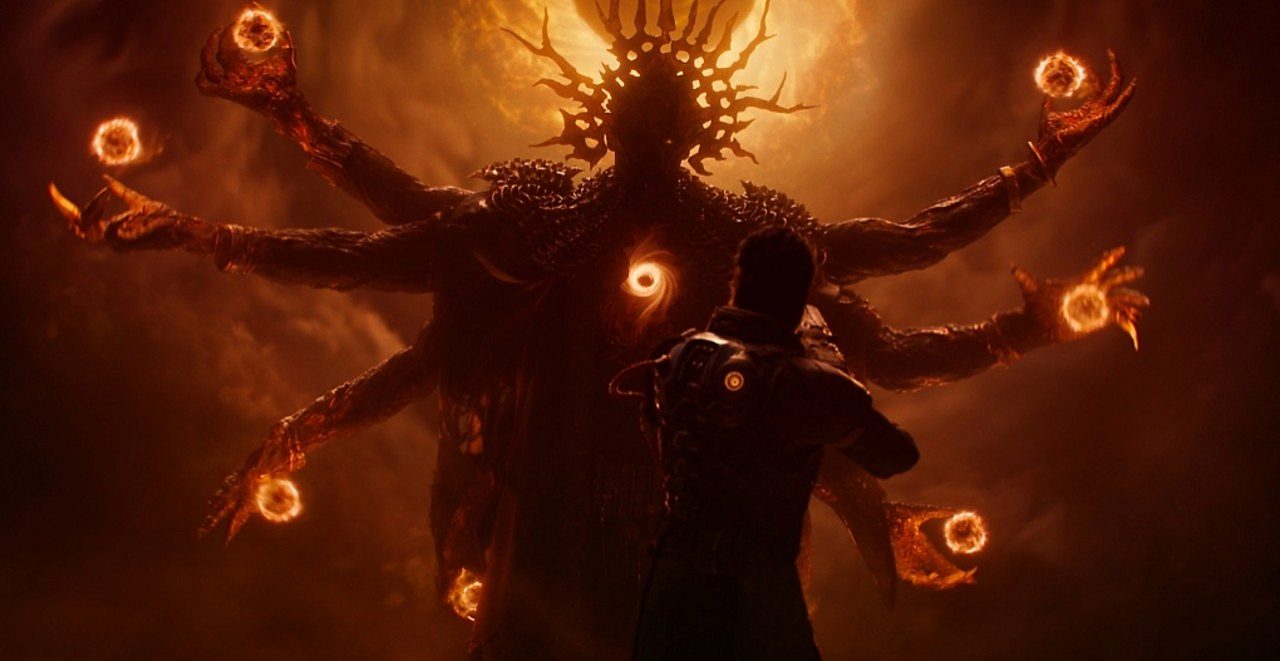
British composer Sam Slater detailed the creative process behind the soundtrack for Saros, a title developed by Housemarque. The musical work arrived on streaming services on May 22nd. The work combines elements of dark synthesis, drone metal and manipulated voices to build the oppressive atmosphere of the planet Carcosa. The musician viewed the production as a complex puzzle. The central objective was to capture the essence of a world marked by the Eclipse phenomenon through high-fidelity organic and electronic textures.
Integração between sound design and musical composition
The creative collaboration began with direct conversations with the Greg Louden creative director and the Housemarque development team. Ambos professionals share a deep interest in the metal genre. Essa musical affinity facilitated the alignment of visions regarding the desired tone for the narrative. Eles established a constant exchange of playlists with broad and diverse references. The goal was to define a functional sound language for a non-existent reality.
Slater adopts a methodology that prioritizes understanding the universe before composing traditional melodies. Test Imagens served as visual guides during the initial stages of the project. The audio team rigorously evaluated whether each sound element actually belonged to that ecosystem. Essa experimentation phase quickly evolved into a complex three-dimensional system. The music needed to react organically during active gameplay.
The composer eliminated traditional distinctions between musical scoring and sound design. Ele understands all auditory elements as part of a single system integrated into the game engine. Diálogos constant technicians between the different departments ensured the creation of accurate acoustic spaces. The frequency overlaps occurred completely intentionally to avoid sound conflicts during moments of greatest tension on the screen.
Biomas of Carcosa receive unique sonic identities
Cada region of the planet Carcosa required highly specific acoustic treatment. In the biome known as Ancient Depths, the main theme uses sounds of ceramic origin that simulate the friction of stones inside deep caves. The use of reverb progressively decreases throughout the exploration. Essa mixing technique creates a psychological sensation of constant falling for the player. Spatial perception changes as the descent progresses.
Activating the Eclipse radically transforms the soundscape of the room. Percussões heavy metals start to connect directly to the rhythms generated by the sound design of the scene. The character’s physical proximity to enemy machines changes the way the music interacts with environmental effects. Dynamic audio responds to movements in real time.
The Desecrated Fortress biome presents an even more experimental approach to capturing audio. Vocalist Rully Shabara participated in recording sessions using a metal sheet hanging in the studio. The improvised equipment generated unstable and unpredictable feedback with each vocal emission. The technical process transformed ordinary human voices into almost unrecognizable frequencies. Essa sonic deconstruction permeates much of the hostile territory experience.
Humanity within the composition appears in a scarce and calculated way. The only emotional element preserved in its pure form refers directly to the protagonist Arjun’s memories of the character Nitya. The contrast between mechanical distortion and vocal purity reinforces the narrative weight of the journey of survival.
Efeitos technicians simulate the corruption of the Eclipse phenomenon
Eclipse’s auditory representation required creative solutions at the mixing desk. Slater applied the overdrive effect as a direct sonic metaphor for the degradation of the world. Distortion causes the waveform to overflow the virtual boundaries of the audio circuit. Elementos considered normal within Carcosa starts with high definition and clarity. The phenomenon destroys this loyalty in a progressive and violent way.
A striking technical feature of the score is the purposeful displacement of melodies by exactly six semitones. The base world remains structurally identical, but the musical notes change position on the scale. The human brain can recognize the root of the original composition. However, the listener immediately feels that something is deeply wrong with the harmony presented.
The transposition technique creates effective psychological discomfort without drawing excessive attention to the technical trick. The player absorbs the feeling of walking through a completely destroyed home. Boss battles function as the practical summary of this entire thematic identity.
- The track Sun is Forever acts as the emotional core of the narrative.
- The Ancient Depths biome uses reverb to simulate extreme depth.
- The Desecrated Fortress region applies metallic feedback to vocal recordings.
- The Eclipse phenomenon activates dynamic percussions synchronized to the scene.
- The use of overdrive and transposition of notes defines the corruption of the environment.
Combat songs follow the rules of the biomes both in the standard version and under the influence of Eclipse. Elas deliver simple and fluid energy that facilitates a state of absolute concentration. The natural repetition of encounters against bosses reinforces the impact of musical choices until the moment of victory. The rhythmic adjustments generate a feeling of continuous flow that benefits control performance.
Faixa main explores characters’ emotional contradictions
The song Sun is Forever was originally born as a theme dedicated to Nitya. The character plays a central role in the protagonist’s motivation, even though she remains distant during most of the action. Slater purposely avoided using a tone that resembled a siren’s seductive song. Ele sought to imprint an almost maternal and welcoming quality in the vocal performance. The composition carries a subtle mystery in its first chords.
The heavy entrance of the guitars breaks the initial calm and provides a moment of strong catharsis. Distorted string instruments represent the inevitable arrival of Eclipse. The violent contrast between feelings of love, longing, corruption and anger dictates the rhythm of the track. The musician sees these human contradictions as the true core of the story and the entire score.
Arjun takes on the role of hero precisely because he accepts his own inherent corruption. The audio team’s ultimate goal involves the absolute immersion of those exploring the map. Slater compares the ideal experience to the feeling of leaving a movie theater after a dense film.
The world built by Housemarque needs to demonstrate so much internal coherence that the return to physical reality causes a slight sensory shock. The harmony between story, mechanics, music and acting sustains the project. The full soundtrack allows audiences to revisit Carcosa’s journey across digital audio platforms.