

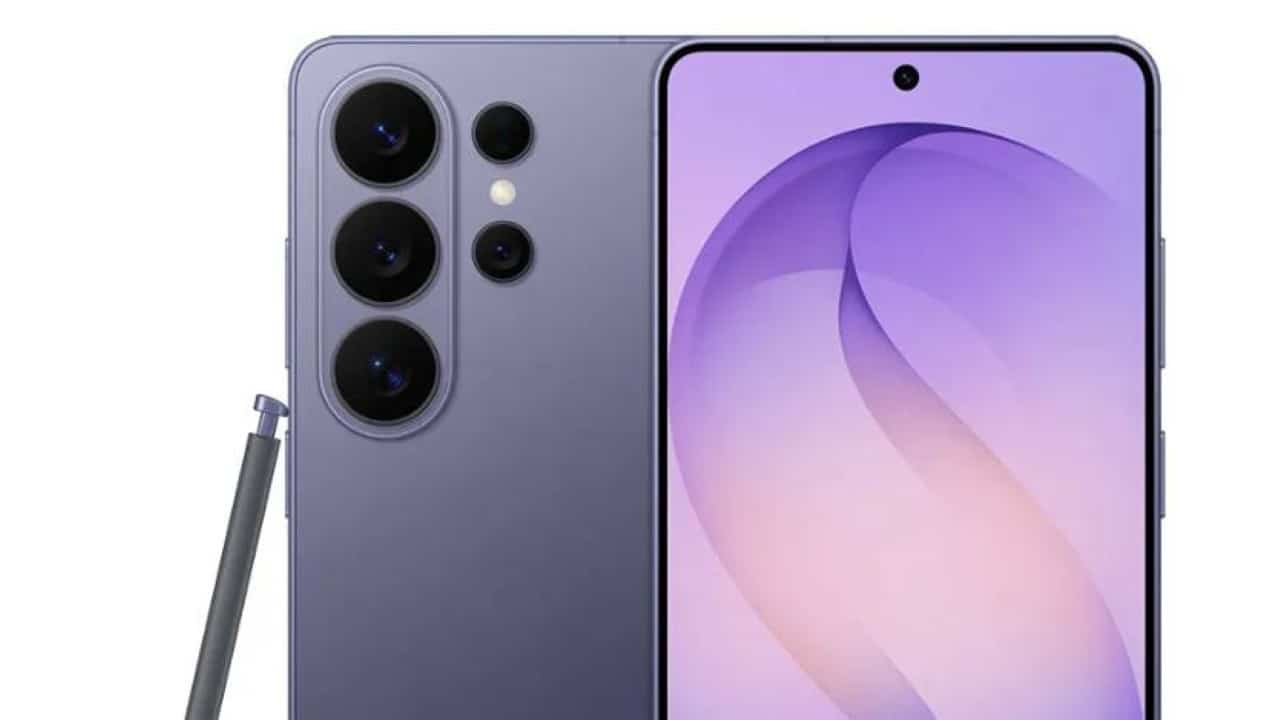
Samsung has started the distribution process of a software update that enables native support for the AirDrop protocol on Galaxy S26 line smartphones. The functionality establishes a direct communication bridge with devices manufactured by Apple, using the Quick Share interface as the basis of operation. The release schedule began on March 23, 2026, with the first firmware packages made available to consumers on the Coreia and Sul. The measure changes the dynamics of transferring local files between platforms historically closed in their own ecosystems.
The definitive activation of the feature does not depend solely on the South Korean manufacturer’s interface, but requires a structural update of the Google Play Services. The Android operating system component acts as the engine responsible for translating discovery and data transfer protocols between devices. The integration eliminates a technical usability barrier for individuals moving between the Google and Apple operating systems, making it easier to send high-resolution documents without the need for compression by third-party messaging applications.

Requisitos technicians for interoperability operation
Establishing the connection between Quick Share and AirDrop requires the smartphone to run Google Play Services on version 26.11.xx or a higher build. The absence of this specific version prevents mutual recognition between the devices during the pairing attempt. The Android system architecture uses this service in the background to manage the encryption keys and security certificates necessary to validate data transfer with Apple equipment.
The package is distributed directly through Google servers, operating independently of system updates provided by telephone operators. Device owners can wait for automatic installation, which typically occurs during nighttime when the device is connected to an Wi-Fi network and powered. The manual procedure requires navigation through the operating system’s internal menus to force a search for the most recent version of the component.
The exact path for manual verification involves accessing the device’s Configurações application and scrolling to the Aplicativos section. The user must locate Google Play Services in the list, tap on the Informações option from the application source and select the update button if available. Completing this process restarts background connectivity services, preparing the smartphone’s radio hardware to track signals emitted by nearby iPhones, iPads, and Mac computers.
Global Expansão and models included in the initial phase
Samsung’s distribution planning calls for a gradual expansion of the feature to international markets over the weeks following the South Korean launch. The company’s servers are scheduled to release the firmware in regional batches, first covering Europa and América of Norte. The expansion schedule later includes América Latina, Japão, Hong Kong, Sudeste Asiático and Taiwan. The phased release strategy allows monitoring of possible instabilities in the Bluetooth connection during initial pairing.
Nesta implementation stage, official compatibility exclusively covers current generation devices, including the Galaxy S26, the Galaxy S26+ and the Galaxy S26 Ultra. The manufacturer focuses optimization efforts on the latest radio hardware to ensure stable transfer rates before adapting the code for older processors. Samsung maintains structured plans to extend support to other Galaxy device lines in future update packages, depending on results achieved with the flagship series.
The technological foundation for this interoperability was previously established by Google, which introduced initial compatibility with the Apple ecosystem on the Pixel 10 smartphone. The arrival of the functionality to the Galaxy S26 line represents the adoption of the standard on a large scale, considering the market share occupied by the South Korean manufacturer. The standardization of Quick Share as the universal sharing tool of Android facilitated the implementation of this communication bridge with the iOS system.
Mecanismos connection between different ecosystems
The engineering behind cross-platform sharing operates without the need for an active internet connection or mobile data consumption. The process uses a combination of short-range radio technologies present in modern processors.
- The Bluetooth Low Energy protocol operates in the discovery phase, identifying compatible devices within a radius of a few meters.
- Security authentication occurs instantly by exchanging temporary cryptographic keys between Android and iOS.
- The actual file transfer is performed via Wi-Fi Direct, creating a high-speed private local network between the two devices.
- The system closes the radio connection immediately after confirming the integrity of the received file.
The user interface has been adapted to reflect this new hardware capability. Após installation of all necessary components, the Quick Share sharing menu starts to display the detected Apple devices in the same grid where other Android devices appear. The visual behavior simulates the native AirDrop experience, displaying the name of the iPhone or Mac owner and an icon representing the device, simplifying identification in environments with multiple active electronics.
Procedimentos complementary to Galaxy Store and Play Store
The software architecture requires a second update layer to ensure the full functioning of the transfer tool. Além of the system component managed by Google, the Quick Share application itself needs to be running on its latest build. Samsung distributes this specific application’s interface improvements and bug fixes through its software distribution platforms, allowing for quick adjustments without the need to change the entire operating system.
Users should visit Galaxy Store or Google Play Store to check the availability of additional packages for Quick Share. The updated version of the application contains the necessary graphics to display the Apple device icons and shipping confirmation menus. Missing this interface update may result in visual glitches, even if the background transfer engine is already operating with the correct version of Play Services.
The Samsung software development team maintains a continuous cycle of optimization for the wireless sharing tool. Sequential updates scheduled for the coming months will focus on stability refinements and reducing initial discovery time between different brand devices. Maintaining a routine check for software updates remains the most effective method for ensuring uninterrupted access to new hardware communications capabilities.