

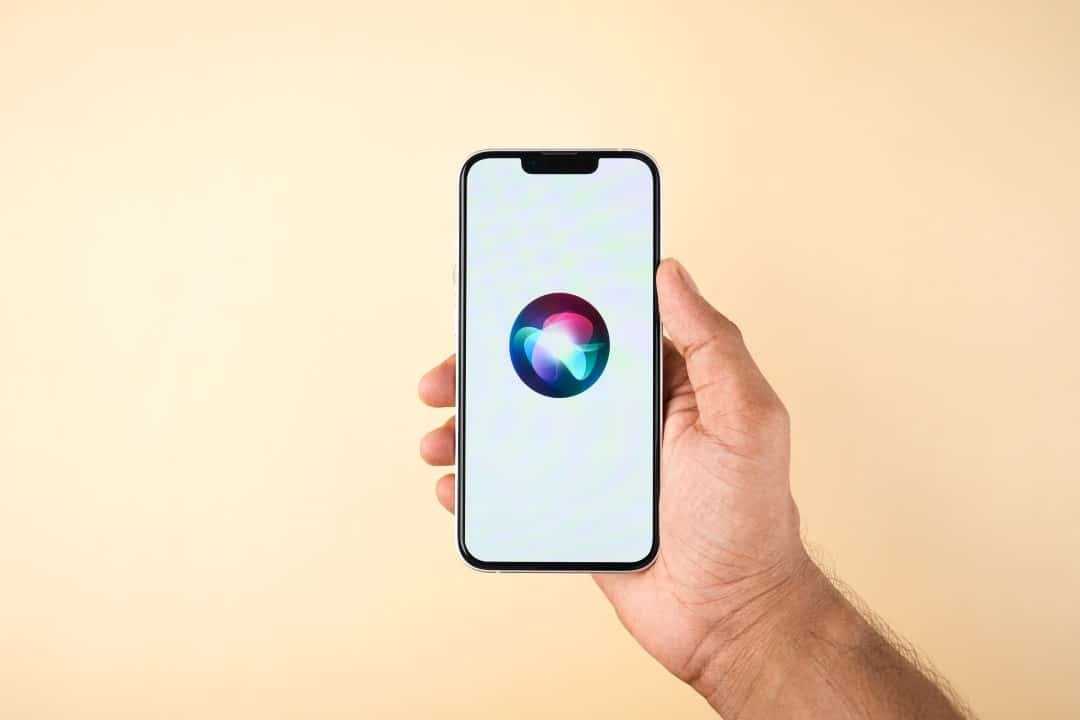
Apple is preparing the official launch of the iOS 27 operating system during the annual WWDC 2026 developer conference, scheduled for June 8th. The software update focuses on expanding the artificial intelligence capabilities of the brand’s devices. Usuários of compatible iPhones will receive a package of innovations that combines new automation tools with fine adjustments to the visual interface. Market expectations revolve around the consolidation of the company’s intelligent ecosystem.
The distribution schedule must follow the company’s historical pattern. Desenvolvedores registered parties will have access to the first test version right after the event presentation. The general public will be able to try out the new features in the following weeks through the beta program. The final version will reach consumers in September, coinciding with the announcement of the next generation of smartphones. The software promises to balance local and cloud processing to ensure privacy.
Virtual Assistente gains chatbot interface and advanced integration
Siri will undergo the biggest structural transformation since its creation. The virtual assistant will no longer be just an overlaid voice interface but will have a dedicated application on the device’s home screen. The interaction format will adopt the conversational chatbot style, similar to popular language models on the market. The technological base will be supported by the Gemini model, developed by Google, to process complex requests. Essa change aims to eliminate historical limitations of context understanding.
The new architecture will allow the tool to perform multiple actions from a single command. The assistant will be aware of what is being displayed on the user’s screen in real time. Isso means she will be able to read a message and schedule an appointment on the calendar without requiring intermediate steps. Integration with the Dynamic Island visual will ensure smoother responses when using other applications.
- Standalone Aplicativo fixed to the system home screen.
- Capacidade to process multiple commands simultaneously.
- Leitura contextual of elements displayed on the device display.
- Native Suporte for integration with third-party intelligence models.
- Visual Interface based on continuous text and voice conversations.
The brand’s productivity ecosystem will also directly benefit from this evolution. The native note-taking application will receive text generation and automatic organization features managed by new intelligence. Independent Desenvolvedores will be able to connect their own software to the assistant through updated extensions, expanding the reach of automations to services that do not belong to the system manufacturer.
Health Ferramenta introduces automatic reading of nutritional tables
Wellbeing monitoring will receive a significant boost with the introduction of visual intelligence capabilities in the Saúde app. The smartphone’s camera will be able to scan physical food labels and nutritional tables in real time. Captured data such as calories and proteins will automatically migrate to the user’s dashboard. The functionality eliminates the need for manual typing.
The novelty meets a growing demand from people who monitor their macronutrients on a daily basis. Atualmente, this audience depends on third-party applications that often charge subscriptions to offer package scanning. Apple’s native solution centralizes this information in a secure environment. Optical recognition accuracy has been improved to handle different commercial label formats.
Interface visual receives refinements after changes from the previous year
The design called Liquid Glass, introduced in the previous version of the system, will undergo usability adjustments. Apple will focus on correcting interface behaviors that create friction in consumers’ daily experience. One of the main targets is the bottom navigation bar present in applications like Música and Podcasts. The visual element, which currently minimizes when scrolling, will receive more predictable behavior.
The system will gain new standardized sliders throughout the graphical interface. Standardization aims to create a more cohesive visual identity between native applications and those developed by third parties. The transition animations between screens have been rewritten to better take advantage of the refresh rate of modern displays. The engineering team’s objective is to maintain the aesthetic freshness presented last year, with a superior level of polish.
Real-time captioning Geração covers all media content
Digital accessibility will gain a universal impact feature with the arrival of automatic subtitles generated by the system itself. The iPhone will now transcribe the audio of any video played on the screen, regardless of the source application. The functionality will operate on videos recorded with the cell phone camera, files received via messengers and content transmitted via streaming platforms. Processing will occur locally, without sending audio to external servers.
The tool solves a common problem in routine media consumption on mobile devices. A significant portion of users prefer to watch videos without sound while traveling on public transport. Instant transcription eliminates reliance on embedded subtitles by content creators. The resource also directly benefits people with hearing impairments, offering autonomy to consume any audiovisual material.
Battery Otimização and test cycle preparations
Além of the visible functions, the iOS 27 source code brings deep optimizations in power management. Apple has implemented new algorithms to reduce background battery consumption, especially in geolocation applications. The native weather forecast application and the camera interface will receive occasional performance adjustments. The overall stability of the system appears as a top priority in the company’s internal documents.
The June conference will serve as the starting point for a long period of software validation. Developers will have about three months to adapt their applications to the new design and artificial intelligence guidelines. The public testing cycle will help the company identify large-scale flaws before commercial distribution. The gradual release strategy ensures that complex functions reach users only when they are mature.