

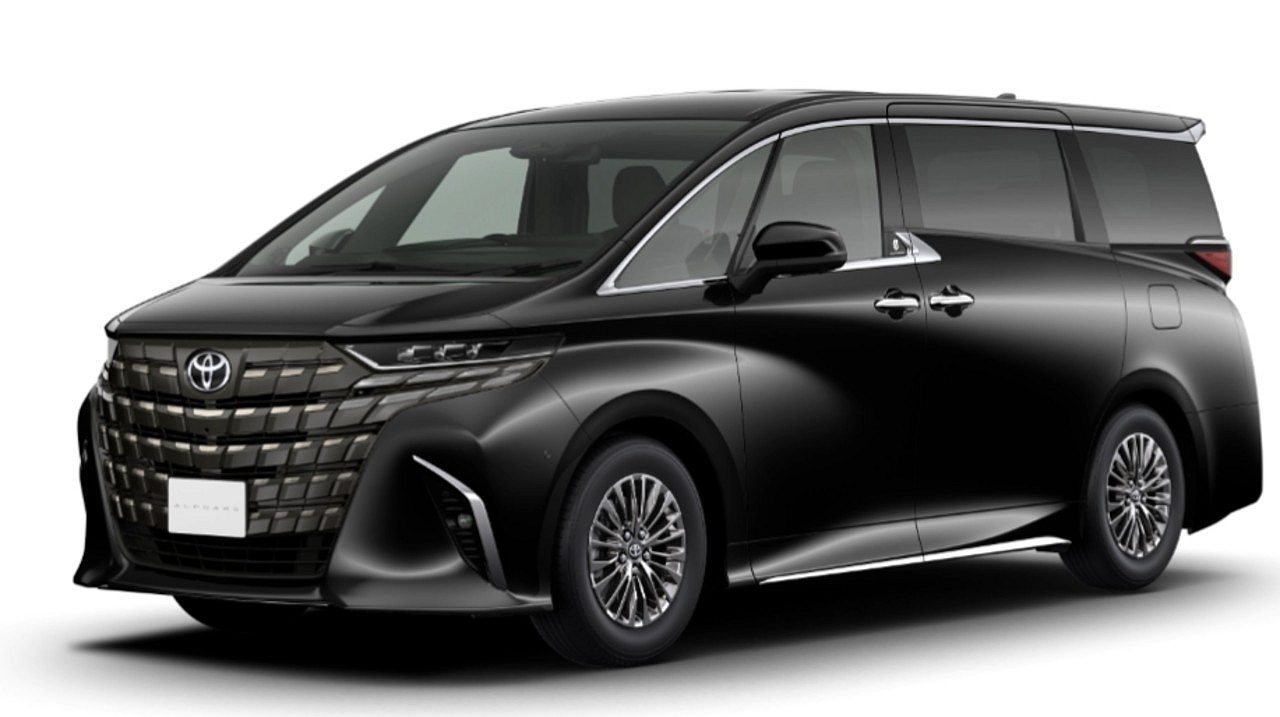
The Japanese automaker has started selling the new generation of the Nissan Elgrand premium minivan, with emphasis on the top-of-the-line G e-4ORCE configuration. A local consumer formalized the purchase of the model equipped with an advanced hybrid engine and all-wheel drive, totaling an investment of 865 thousand yen. Delivery of the vehicle is scheduled for the month of August, preceding the traditional obon holiday period in the Asian country.
The selection process highlighted the preference for complete technology packages, including the ProPILOT 2.0 advanced assistance system and seats with climate ventilation. The model integrates a 1.5 turbo engine associated with the third generation of the e-POWER system, establishing a new standard of efficiency and comfort for the luxury family vehicle segment in the Japanese domestic market.

Tecnologia hybrid and all-wheel drive define the new generation
The mechanical architecture of the new Nissan Elgrand represents a significant evolutionary leap compared to its predecessors, focusing on efficient electrification. The powertrain combines a 1.5-liter turbocharged combustion engine, which acts exclusively as a power generator, with the third generation of the e-POWER system. Essa configuration allows the wheels to be driven entirely by electric motors, ensuring linear and silent acceleration, a fundamental characteristic for the high-end minivan segment.
Além of the innovative engine, the adoption of the e-4ORCE all-wheel drive system in all versions increases the vehicle’s dynamic control capacity. The technology manages torque delivery independently to the front and rear axles, optimizing grip in different track conditions, such as wet asphalt or snowy surfaces. Precise braking control at each wheel also minimizes body roll, providing a more stable and comfortable ride for all occupants.
The focus on acoustic comfort and ride smoothness reflects the manufacturer’s strategy to attract demanding customers looking for alternatives to traditional sedans. The integration of the e-POWER system with the e-4ORCE traction creates a synergy that maximizes energy efficiency without compromising performance on highways or in congested urban traffic in large Japanese metropolises.
Diferenças of finishing and equipment among the options
Durante During the acquisition process, the buyer analyzed in detail the specifications of the two main variants available in the brand’s catalog. The entry-level version, called X e-4ORCE, has a starting price of 689.7 thousand yen, while the top configuration G e-4ORCE is sold for 757.9 thousand yen. The financial difference of 68.2 thousand yen was considered justified due to the substantially richer equipment package offered in the more expensive option.
The G e-4ORCE variant stands out for its inclusion of technologies aimed at passenger convenience and well-being. The digital instrument panel and multimedia center feature integrated 14.3-inch screens, providing a modern and intuitive user interface. The front seats and second row seats have a ventilation system, a decisive difference in the humid Japanese summer climate.
The X e-4ORCE configuration, in turn, offers a high level of comfort for the category. Ela offers electronically controlled shock absorbers and seats with ottoman-type leg support for the front passenger, items often missing from direct competitors.
- Motorização 1.5 turbo acting as generator for the third generation e-POWER system.
- Sistema all-wheel drive e-4ORCE present as standard in all configurations.
- High-resolution Telas with 14.3 inches for the instrument panel and entertainment in the G version.
- Front passenger Assento equipped with ottoman leg extender in X version.
The careful analysis of these items demonstrates how consumers in the premium segment value the relationship between cost and benefit, even in higher price ranges. The decision for the top-of-the-line version reflects the prioritization of interface technology and thermal comfort to the detriment of specific suspension adjustments or individual seat configurations present in the access version.
Pacotes of options and interior customization
The minivan’s external aesthetics and internal environment were carefully configured to convey sobriety and sophistication. The choice of body color fell on the tone Midnight Black, which required an increase of 6.5 thousand yen to the base value of the vehicle. The buyer ruled out the Fuji Dawn two-tone paint job, which would have represented a considerable additional cost of 253,000 yen, opting for a more understated and elegant look for everyday use.
In the cabin, the selection of materials and colors reinforces the luxurious proposal of the Nissan Elgrand. The cabin was ordered in the shade Ginsetsu, an exclusive combination of the G version that mixes white surfaces with purple details. Essa clear configuration reflects natural light, expanding the perception of interior space and highlighting the premium finishes of the doors and dashboard. The manufacturer also offers the Shitan option, a darker purple that facilitates cleaning and daily maintenance, but which was omitted in favor of brightness.
The list of optional equipment added at the factory substantially increased the final acquisition cost. The main technology package, valued at 732.6 thousand yen, includes highly acoustically insulated glass, Bose Premium high-fidelity sound system, ProPILOT 2.0 autonomous driving assistant, remote parking system and information projection on the windshield. The double panoramic sunroof was included for an additional 154 thousand yen.
The closed package structure generated some reservations during configuration at the dealership. The consumer noted that the addition of the ProPILOT 2.0 system compulsorily requires the inclusion of Bose audio equipment, making it impossible to separate items for cost optimization. Apesar of this commercial limitation, the complete set was retained to ensure the maximum technological experience offered by the automaker.
Impacto tax and positioning against competitors
Purchasing a vehicle on Japão involves a complex structure of fees and taxes, which affect directly the cost of ownership. In the case of this specific configuration, tax expenses amounted to approximately 124 thousand yen. The choice of the 1.5 liter combustion engine proved to be advantageous from a tax point of view, generating an annual circulation tax of just 35 thousand yen. Além In addition, the low emissions of the hybrid system guaranteed environmental exemptions that eliminated other government charges.
Para complement the configuration without further inflating the budget, the owner plans to purchase floor mats through independent suppliers. The vehicle leaves the assembly line equipped with a native navigation system, ETC 2.0 electronic toll reader and a complete set of front and rear monitoring cameras, reducing the need for after-sales accessories.
In the competitive scenario of the Asian automotive market, the Nissan Elgrand G e-4ORCE establishes a direct clash with established models. The final price of 865,000 yen positions the minivan above certain configurations of the Toyota Alphard and Vellfire Z, surpassing these rivals in specific aspects of semi-autonomous driving technology and vehicle dynamics provided by all-electric all-wheel drive.
Simultaneamente, the model maintains a strategic distance from ultra-luxury options such as the Lexus LM or executive vans with cabin partitions. The owner assessed that the balance between advanced drivability, the standard equipment package and energy efficiency fully justifies the investment made. The expectation for delivery reflects confidence in the automaker’s proposal to redefine high-end family transportation.
The arrival of this new generation on Japanese streets will serve as a thermometer for the acceptance of e-POWER and e-4ORCE technologies in large vehicles. The combination of electrified propulsion with four-wheel drive promises to deliver unprecedented levels of stability and comfort in various climatic and topographic conditions. The automotive sector monitors real performance after the first units are delivered to end consumers.