

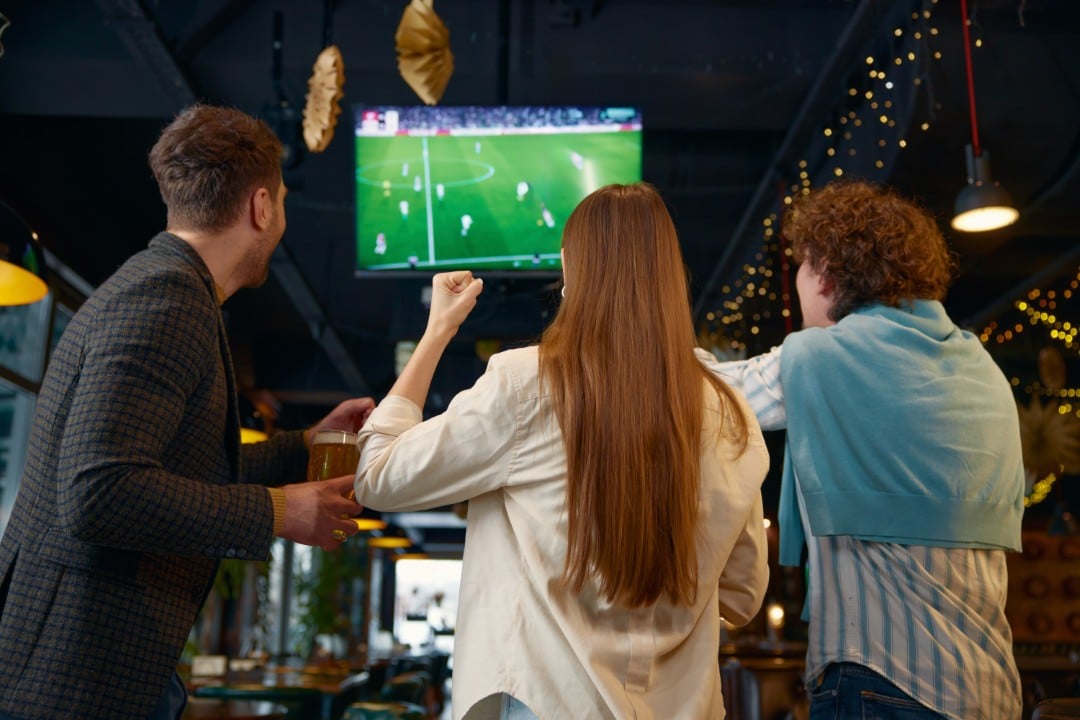
The 2026 World Cup has been underway since this Thursday (11) and the football atmosphere has already invaded corporate environments. With matches at different times, many professionals wonder how to balance the fans with their workday obligations.
The competition, based in the United States, Canada and Mexico, has games that fall on weekdays, which reignites doubts about days off, flexible schedules and appropriate behavior during broadcasts. Many fans intend to follow the matches even during working hours.
Law does not guarantee automatic time off
Under Brazilian labor legislation, World Cup game days are not national holidays and do not generate automatic rights to time off or reduced working hours. The Consolidation of Labor Laws (CLT) does not provide for mandatory layoffs, and it is up to each company to decide whether to release employees, adjust schedules or allow monitoring of departures.
This practice is common in several sectors, but depends on each organization’s internal policy or collective agreements. Anyone planning to attend the games should check the company’s rules in advance to avoid any setbacks.
Experts guide prior dialogue
Renato Mendes Baptista, CEO of Mendes Talent, recommends consulting internal rules or aligning expectations with leadership before matches. Supporting, commenting on games and participating in internal actions can strengthen team integration, as long as it does not compromise deliveries, customer service or respect between colleagues.
Excessive shouting, insistent provocations, swearing and abandonment of responsibilities are among the behaviors that generate the most discomfort, according to the executive with more than 20 years in Human Resources. He also highlights the importance of respecting those who don’t follow football.
Eliane Aere, president of the Brazilian Association of Human Resources (ABRH-SP), states that the event can improve the organizational climate, as long as professionalism is maintained. Relaxation does not serve as a “free pass” to forget about the corporate environment. The limit is crossed when behavior affects the team’s routine or bothers colleagues.
Planning avoids conflicts
Fernando Pedro, general director of Assigna, a Talenses Group company, highlights that the secret is in the planning. Many companies create light actions, such as collective broadcasts, scheduled breaks or occasional flexibility, without harming the operation.
The Human Resources sector must establish clear guidelines regarding schedules, use of common spaces, dress code, alcohol consumption and expected posture. Activities related to the World Cup must be optional, respecting those who prefer to maintain their normal routine.
Companies like the startup GetNinjas, in São Paulo, decorated the workplace and authorized employees to watch the games at the office or at home, illustrating practical ways of adapting.
Tips for balancing crowd and productivity
- Check the company’s rules before games and talk to the manager.
- Avoid exaggerations in the crowd, such as loud shouting, constant interruptions or banging on the table.
- Use your cell phone sparingly to check scores, without spending your working hours on social media.
- Respect colleagues who don’t follow the World Cup or don’t support any team.
- Keep deliveries and deadlines up to date, even during departures.
- Avoid swearing, aggressive teasing or drinking alcohol in the workplace.
- Get back on track quickly after the game ends.
When well managed, the World Cup can generate integration and engagement within teams. Common sense and respect remain essential so that the festive atmosphere does not turn into a professional problem.