

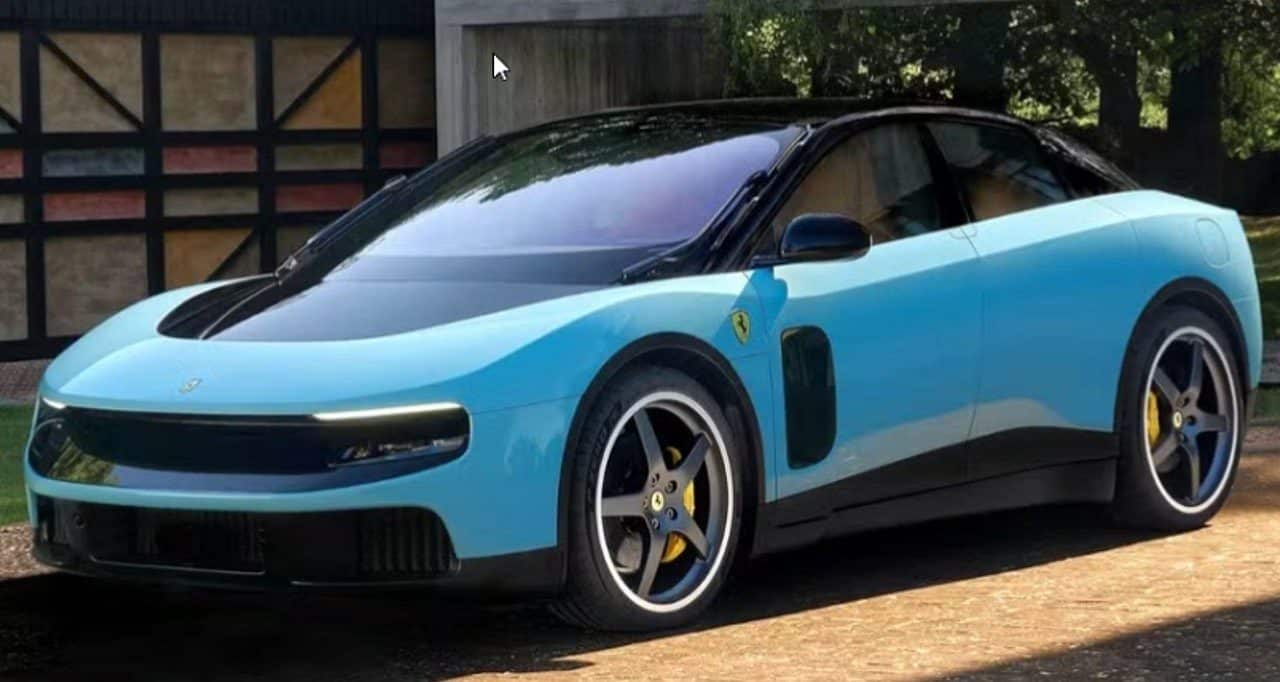
The launch of the Luce model generated intense debates among automotive enthusiasts and drew attention to the restrictive commercial policies applied by the traditional Italian manufacturer of luxury sports vehicles. Comercializado for values exceeding R$3.2 million, the car represents the first project entirely powered by electricity developed by the Maranello corporation. The news caused diverse reactions and contrary demonstrations on digital platforms by traditional enthusiasts of the manufacturer.
Grupos of admirers publicly claimed that the introduction of electric motorization breaks with the historical characteristics established by the European brand over decades. The episode once again brought to public attention the rigid system of control that the corporation maintains over the profile of users of its manufactured products. The management of the Italian company carries out frequent inspections and adopts strict criteria for the selection and retention of buyers on its official vehicle distribution registers.
Critérios of conduct established by the automaker for customers
The automotive corporation bases its business model on preserving the corporate image and the exclusive circulation of its limited series of vehicles on the global market. The manufacturer’s internal regulations provide for severe penalties for buyers who fail to comply with the rules of use established at the time of purchasing the consumer good.
The penalties imposed by the automaker’s management usually involve the definitive impediment of the acquisition of new units launched by accredited dealerships on the planet. Monitoring of owners occurs both in monitoring structural changes in cars and in verifying commercial transactions not authorized by the brand’s management.
Famosos hit by Italian brand’s trade sanctions
Diferentes personalities from the international cultural and artistic scene appear on lists of commercial restrictions maintained by the automaker’s management due to conduct considered inappropriate. The reasons that led to administrative sanctions range from the aesthetic mischaracterization of renowned models to financial transactions disapproved by the ethics committee of the luxury transport company.
Abaixo details the main names in mass culture and sport who lost the right to do new business directly with the European automotive manufacturer:
- Justin Bieber: the Canadian singer carried out large-scale modifications to the bodywork and original tone of a 458 Italia model, changing the original factory aesthetic pattern to a custom blue color.
- Nicolas Cage: the Estados Unidos film actor sold a rare copy of the Enzo model through a public auction for figures considered by the automaker to be well below the real market standards of the time.
- 50 Cent: the North American rapper used digital communication channels to express technical complaints and severely criticize the mechanical performance of the vehicle he owned.
- Deadmau5: the Canadian music producer and DJ carried out a complete customization on his sports car, covering the original bodywork with a visual identity directly inspired by a meme spread on the internet.
- Floyd Mayweather Jr.: the former professional boxer was included in the brand’s restriction reports due to his habit of selling his luxury copies within short periods of time after purchase.
- Tyga: the rap musician faced legal and administrative problems related to late payments on financing and leasing contracts for the European brand’s units.
- Blac Chyna: the American digital influencer carried out interventions in structural parts of the cars’ design and altered wheels with materials not approved by the Italian matrix.
- Lindsay Lohan: the actress was involved in traffic accidents that received wide coverage in the entertainment press, generating a negative association with the company’s products.
Preservação of mechanical tradition and aesthetic modifications
The manufacturer maintains contractual clauses that prohibit profound changes to the engines, suspension or external aesthetics of the bodies without prior authorization from the Maranello engineers. The organization’s legal department understands that the originality of each model must remain intact to guarantee the historical and commercial value of the existing fleet in circulation.
The profound transformation carried out by collectors with high purchasing power is usually interpreted by management as a mischaracterization of the material heritage of the commercial brand. Management’s firm stance aims to inhibit the proliferation of aesthetic trends that undermine the visual traditionalism that has consolidated the Italian company in the high-end automotive segment.
Impacto of the new electrical guidelines on market behavior
The introduction of the Luce electric model exposes the operational transformations that the sports vehicle market faces to adapt to global environmental sustainability requirements. The technological transition requires huge investments and strategic repositioning by brands accustomed to traditional internal combustion engines.
The automaker’s management argues that mechanical innovations do not reduce the company’s historic commitment to quality control and the rigorous selection of its users. The conduct monitoring system must remain active and applicable to all future buyers of electrified models developed by the Itália factory.