

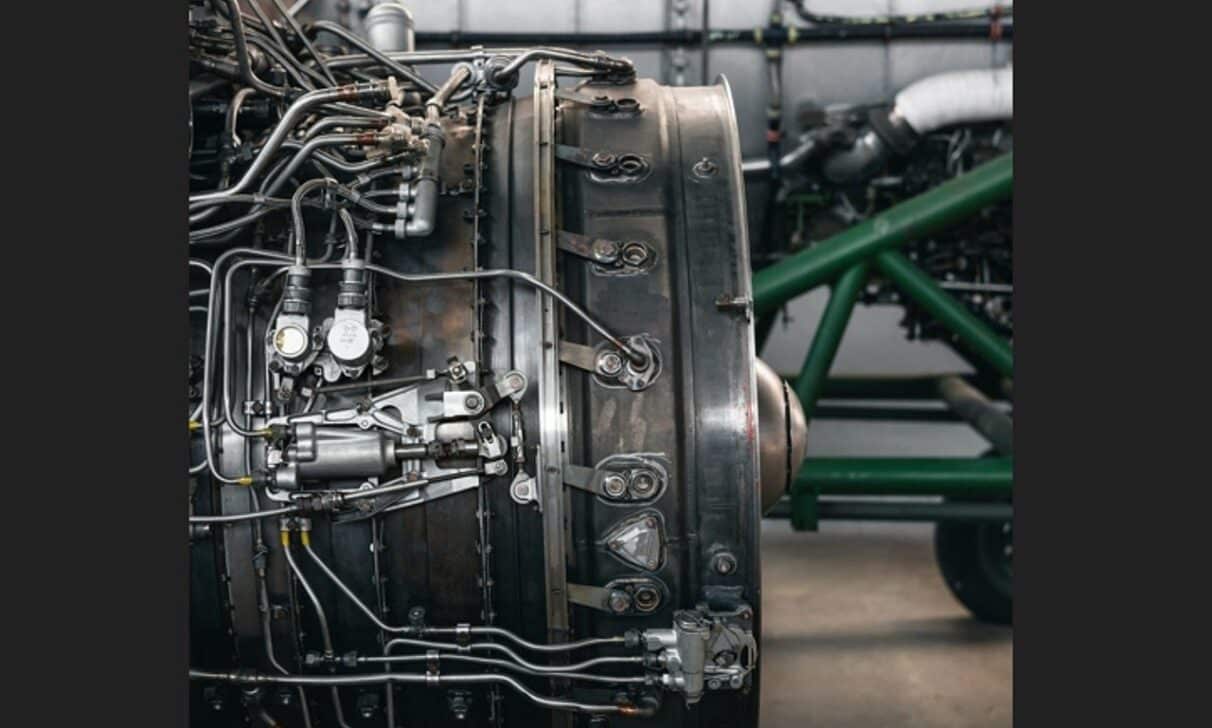
The demand for energy in data centers dedicated to artificial intelligence is growing at a rapid pace. Empresas in the sector face years of delays in connecting new projects to the traditional electrical grid. Diante Furthermore, an unexpected solution gains space in Estados Unidos. Retired aircraft Motores are refurbished and converted into powerful natural gas generators.
ProEnergy, based at Missouri, is leading this approach. The company acquires GE CF6-80C2 engine cores, originally designed for aircraft such as the Boeing 767. Após overhaul and adaptations with new aero-derivative components, each unit generates up to 48 megawatts. Esse volume meets a significant part of the needs of a medium-sized data center or a large set of AI servers.
ProEnergy adapts aviation engines for land use
The company buys used engines that are out of commercial service. The process involves a complete review of the core where combustion occurs. It then attaches parts manufactured specifically for land application. The result is the PE6000 turbine, capable of operating as a temporary main source or backup.
Instalações mounted on trailers or concrete slabs facilitate transportation and rapid deployment. The time to reach full operation is around five minutes. Isso represents a clear advantage over traditional plants, which require much longer deadlines. Projetos in Texas and other regions already use these solutions to keep construction in progress while waiting for permanent connections to the network.
- Cada PE6000 delivers 48 megawatts of power
- 21 units sold for two large data center projects
- Total Capacidade exceeds 1 gigawatt in announced contracts
- Original Motores also equipped Boeing 747 and Airbus A300 in some cases
- Aproximadamente thousand CF6-80C2 units expected to be retired in the next decade
AI Demanda puts pressure on energy infrastructure
The advancement of artificial intelligence requires increasing volumes of electricity. Grandes server clusters consume energy equivalent to entire cities. Industry Bilionários, like Sam Altman and Bill Gates, invest in long-term alternatives such as nuclear fusion. In immediate practice, however, available solutions prevail.
Atrasos in the expansion of the electrical grid reaches five or seven years in several locations. Construtoras from data centers then resort to temporary generators. ProEnergy positions its turbines for both the construction phase and the first years of operation. Quando energy from the local utility becomes available, the units can become a reserve function, complement the grid or be sold.
The fuel used is natural gas. Diferente than many initially imagine, it is not aviation kerosene. Essa feature simplifies logistics and operational costs compared to other systems. The company focuses exclusively on the CF6-80C2 model to reduce engineering and maintenance complexity.
Vantagens techniques and component availability
The CF6-80C2’s high-bypass turbofan design contributes to efficiency in the new role. ProEnergy combines the refurbished core with modern aero-derived parts. Testes strict guarantee reliability before delivery. Cada generator serves the consumption of approximately 32 thousand average American homes or a robust AI processing cluster.
The retired engine market offers a stable supply. Estimativas indicate around a thousand units available over the next ten years. Essa natural reserve helps overcome bottlenecks in the manufacture of new industrial turbines, which face long order queues.
Especialistas follows the movement as a temporary bridge. Projetos of more ambitious data centers require hundreds of megawatts or even gigawatts. ProEnergy units serve as a modular, scalable solution to cover initial gaps.
Implementação in real data center projects
Dois large projects have already incorporated 21 PE6000 turbines. Juntos, exceed 1 gigawatt of installed capacity. The equipment acts mainly as a source of transition energy. Depois five to seven years, permanent infrastructure is expected to take the lead role.
The flexibility of the units allows for different configurations. Algumas operate in main mode during the critical phase. Outras serve as an immediate backup against possible network failures. Essa versatility attracts operators who need to maintain aggressive expansion deadlines.
ProEnergy highlights the speed of implementation. Diferente of fixed power plants, generators on trailers arrive on site and begin operation at short notice. Esse factor gains relevance given the accelerated pace of investments in AI.
What changes for the technology sector
The initiative illustrates creative adaptation in the face of infrastructure constraints. Instead of waiting years for new transmission lines, companies gain immediate capacity. Reusing airplane engines reduces waste and speeds up schedules.
Desafios persist. Environmental Questões related to natural gas use, noise and fuel logistics require careful planning. Regulamentações locations vary by state. Mesmo thus, the solution gains traction as a viable option in the short and medium term.
The data center sector continues to explore multiple fronts. Enquanto nuclear fusion and other technologies advance in laboratories, approaches like ProEnergy’s deliver concrete results today. Combining innovation with leveraging existing assets helps sustain AI growth without forced downtime.