

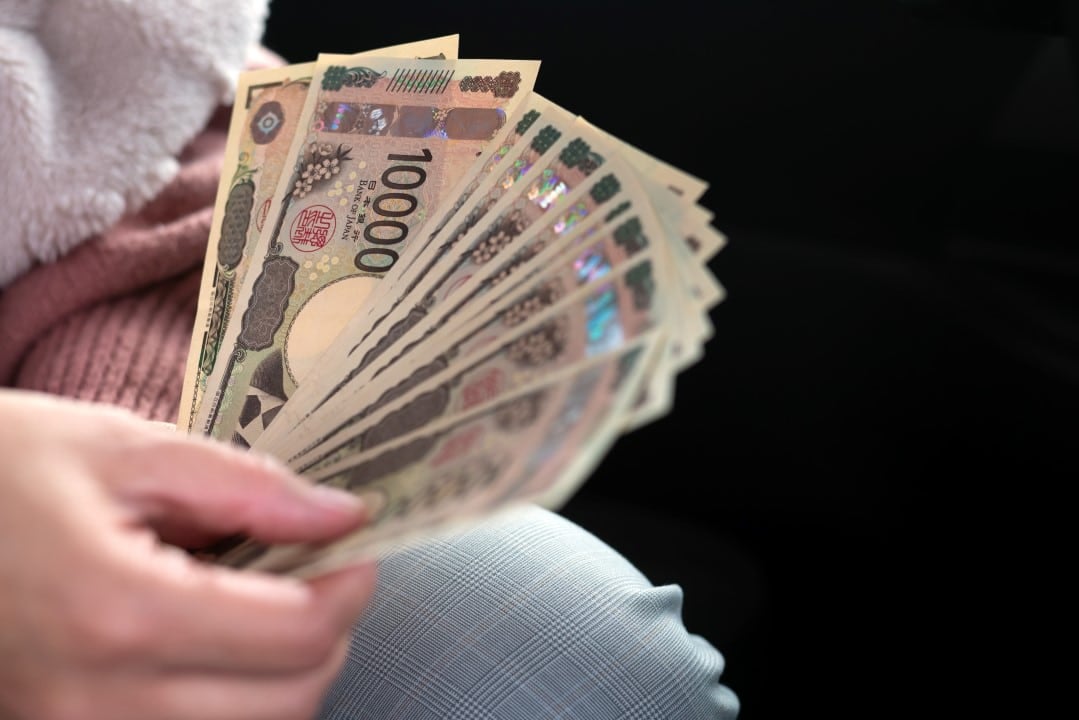
The Japão government begins transferring the support benefit to low-income pensioners on June 15th with an adjustment of 3.2%. The measure updates the reference values to follow the variation in the consumer price index recorded over the last year. The increase covers three specific groups of the national pension system. Idosos, people with disabilities and surviving family members receive the financial supplement. Public policy aims to mitigate the effects of inflation on the domestic budget of families with lower purchasing power.
The change in values has officially been in effect since April 2026, a period that marks the beginning of the Japanese fiscal year. The country’s pension system makes bank deposits every two months. The credit scheduled for mid-June covers the months of April and May with the percentage correction already applied. Japan Pension Service manages resource distribution and data analysis for eligible policyholders across the Asian archipelago.
Valores updated for different categories of beneficiaries
The adjustment calculation increases the monthly base value to 5,620 yen in most scenarios provided for by social security legislation. The change represents an approximate gain of 170 yen per month compared to the amount distributed the previous year. The exact amount deposited varies depending on each citizen’s contribution history. Indivíduos entitled to the full benefit accumulates around 67 thousand yen over twelve months of continuous transfers.
The program structure establishes different ceilings depending on the insured’s physical or family condition. The degree of need defines the final amount transferred to the approved applicant’s bank account.
- Financial support for people with grade 1 disabilities reaches a level of 7,025 yen per month.
- Beneficiários diagnosed with grade 2 disability receive the standard reference value of 5,620 yen.
- Familiares survivors access the base quota of 5,620 yen, with proportional division when there are multiple legal dependents.
The transfer intended for the elderly uses a mathematical formula based on the length of time they have been linked to social security. The government counts the periods of regular contributions throughout the worker’s working life. The system also considers the phases in which the citizen obtained formal exemption from paying taxes. Cross-referencing this data determines the exact portion of the financial supplement released bimonthly.
Critérios Eligibility and Formal Request Requirement
Access to the extra resource requires compliance with strict income and asset rules. The program works exclusively as additional support to the basic pension already existing in the country. The applicant needs to prove that their total income remains below the limit established by the tax authorities. The composition of the family nucleus directly influences the ceiling allowed for granting government aid.
The release of money does not occur automatically by the system. Citizens who meet all legal requirements need to formalize the request with municipal offices or social security agencies. The absence of a request keeps the benefit balance at zero, regardless of the person’s financial condition. The authorities constantly reinforce the need to verify individual rights and send documentation within the correct deadline.
Quem already receives the basic old-age pension and undergoes periodic income assessments. The same documentary rigor applies to beneficiaries of forms of disability or death of a family provider. The government cross-references the declared information with the revenue database to confirm the maintenance of eligibility. Final approval depends on technical and detailed analysis of the papers presented by the insured.
Mecanismo notification and calendar of the pension system
Japan Pension Service issues individual printed communications to citizens who are already part of the support program database. Documents usually arrive at registered addresses in the first weeks of June. The official letter details the new value calculated after applying the 3.2% index to the calculation base. The insured person checks the detailed statement before releasing payment through the commercial banking network.
The bimonthly deposit schedule requires rigorous financial planning on the part of low-income beneficiaries. The transfer on June 15 materializes the first practical impact of the inflationary correction of the current fiscal year. Subsequent months follow the same pattern of grouping two installments per transfer. The model reduces Estado’s transaction operating costs and organizes pension cash flow.
Novos retirees face a different initial bureaucratic flow than veterans of the system. Entry into receiving the basic pension requires the simultaneous presentation of specific forms for additional support. The government agency provides guidance booklets on the required paperwork to avoid delays in analysis. The process takes place through traditional physical correspondence or through the Japanese government’s official digital platforms.
Impacto of inflation and purchasing power protection
The annual adjustment policy seeks to protect the most vulnerable demographic groups against the loss of purchasing power. The Japanese domestic market records variations in the prices of essential items, reflecting global economic dynamics and import costs. The update mechanism acts as a financial stabilizer for those who depend exclusively on state transfers. The correction follows the evolution of living costs measured by official statistical institutes.
The program focuses primarily on elderly people with a fragmented or incomplete contribution history. Trabalhadores who have faced long periods of unemployment, informality or reduced wages depend on this social protection network. The monthly increase helps cover unavoidable day-to-day expenses. Alimentação, energy tariffs, housing and co-participation in health expenses concentrate the majority of expenses for this portion of the population.
The total volume of resources injected into the economy grows in proportion to the country’s aging population. Japão has one of the highest longevity rates recorded globally, which expands the base of potential beneficiaries every year. The increase in the number of eligible elderly people requires constant planning of the social security budget. The Ministério of Saúde, Trabalho and Bem-Estar monitors indicators to ensure the execution of scheduled payments.
Detalhes calculation and guidance for policyholders
The practical effect of the 3.2% adjustment varies substantially between the different profiles of registered policyholders. Indivíduos with a complete collection history tend to reach the maximum values allowed by current legislation. The uniform percentage applied does not guarantee equal absolute gains for all program participants. Social security mathematics personalizes the final result based on the trajectory of each worker.
In the specific case of the death pension, the presence of multiple children generates the mandatory apportionment of the stipulated base value. The individual quota decreases according to the size of the family group dependent on the benefit. The legal rule seeks to distribute the financial resources equitably among the recognized heirs. The recalculation of quotas occurs automatically when one of the dependents reaches the age of majority or loses eligibility.
Japan Pension Service advises that citizens file all notifications and statements received annually by post. The documents serve as material evidence in any disputes over values or calculation revisions. The body maintains telephone and in-person support channels to clarify doubts about the methodology applied to pensions. The insured has the right to request verification of the benefit if he identifies inconsistencies in the deposits made to his account.