ROG Xbox Ally X20 commemorative edition hits the market with OLED screen and augmented reality glasses
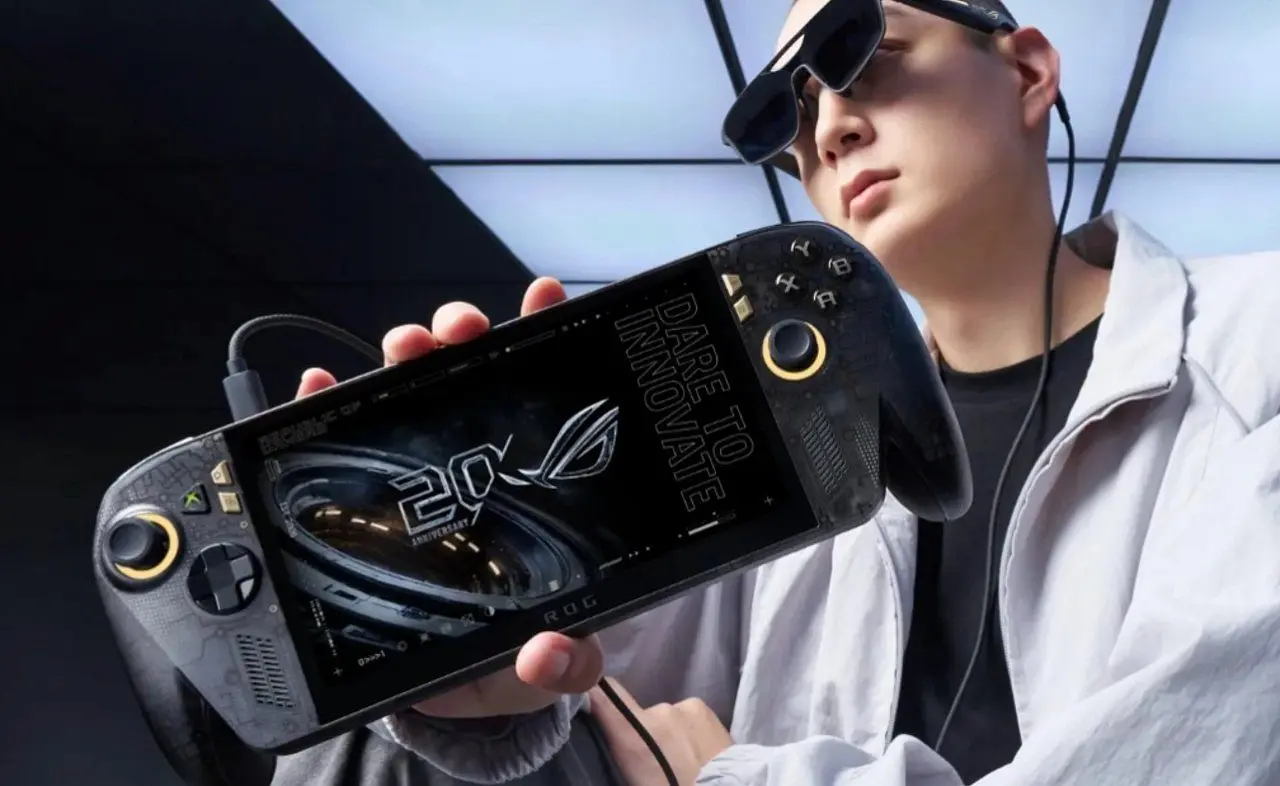
Asus officially unveiled the ROG Xbox Ally The new model maintains the processing architecture of the previous generation, but introduces an OLED panel new to the line and updates focused on the ergonomics of physical controls.
The equipment arrives on the international market positioned as a special edition for enthusiasts. The manufacturer chose to initially sell the console in a closed package, which includes the ROG XReal R1 augmented reality glasses. The structural modifications seek to improve the visual experience and resolve mechanical wear issues reported by consumers in the portable platform’s early years.
Painel OLED Nebula HDR enhances laptop visual quality
The ROG Xbox Ally X20’s most significant advancement focuses on replacing the traditional IPS display with a 7.4-inch OLED screen. The component, commercially named Nebula HDR, delivers native Full HD resolution and a maximum refresh rate of 120 Hz. The system has integrated support for FreeSync Premium Pro and variable refresh rate technologies, operating dynamically from the 30 Hz mark.
More on this story: ASUS justifies high cost of ROG XBOX Ally X20 with opportunity of a lifetime in ROG’s 20th anniversary console
The lighting capacity of the new panel reaches peaks of 1,400 nits when playing content on High Dynamic Range. Esse brightness level represents a significant technical leap compared to the specifications of the standard 7-inch model. The company’s engineering managed to accommodate the larger display in the same chassis by reducing the upper edges of the device, preserving the overall dimensions for portability.
OLED technology guarantees the reproduction of absolute blacks by individually turning off the pixels, generating infinite contrast and more saturated colors. The screen surface received a specific anti-reflective treatment to make it easier to watch games outdoors or under strong artificial lighting. The internal structure of the display also underwent thermal optimizations, with dissipation layers designed to protect the organic material against heat generated by the processor during continuous use.
Refinamentos in physical controls and semi-transparent design
The Asus design department implemented specific changes to the console command interface. The main analogues now operate with TMR technology, a magnetic system developed to increase the useful life of parts and minimize the chances of the defect known as drift occurring. The cross-shaped directional pad has a redesigned internal mechanism, allowing the player to physically switch between four- and eight-way configurations as required by each game genre.
The aesthetics of the device incorporate a semi-transparent plastic finish with details in black and gold tones. Essa choice of material leaves part of the motherboard and internal electronic components visible. The new casing also features repositioned perforations that optimize cold air intake for the dual-fan active cooling system.
On the same topic: Surprise update coming to Red Dead Redemption 2 in the coming weeks
See Also

Learn how to identify intrusions on WhatsApp and avoid financial fraud

PlayStation 5 owners gain lifetime access to three great games

Russian Islam Makhachev dominates Ian Machado Garry and wins main fight at UFC 330
The structural changes and the larger screen resulted in an increase of 41 grams in the total weight of the equipment. The manufacturer maintained the asymmetrical layout of the buttons, a consolidated standard in the computer controls market. Ergonomic updates include:
- Joysticks with TMR technology and enhanced magnetic resistance
- Pad directional with adaptive mechanical click system
- Botão shortcut from Modo Xbox with green LED lighting
- Estrutura external with darkened semi-transparent finish
- Grade enlarged rear vent for increased airflow
The set of modifications directly responds to the feedback provided by the gaming community about the ergonomics of the first version. The green lighting on the Microsoft’s dedicated ecosystem button serves as a quick visual indicator that the OS-optimized interface is working.
Commercial Pacote integrates augmented reality glasses
The launch strategy for the ROG Xbox Ally The peripheral uses a spatial anchoring mode, which fixes the projected image at a specific point in the physical environment using motion sensors, ensuring visual stability even when the player moves their head.
The augmented reality equipment comes with a dedicated processing dock, allowing direct connection to the laptop or traditional desktop computers. The product concept is similar to other initiatives in the smart wearables market, but with latency and color fidelity calibration aimed strictly at the consumption of high-performance electronic games.
In the Estados Unidos market, the complete package has a suggested price of US$849. The Brazilian division of Asus has not yet established a launch window or official prices for the national market. Como commercial reference, the standard version of the ROG Xbox Ally X is found in Brasil retail chains with prices starting at R$9,239. The technology sector awaits the arrival of the commemorative edition in the country in the last quarter of 2026, with limited availability of units.
Learn more: Valve store cuts prices and offers PC catalog with 85% discounts
Manutenção of hardware and competition in the notebook market
The processing base of the ROG Xbox Ally X20 remains unchanged from the model that gave rise to it. The device is powered by the AMD Ryzen AI Z2 Extreme chip, tailored for high-performance mobile platforms. The memory set has 24 GB of RAM and a solid-state storage drive with 1 TB of capacity. The device runs the Windows 11 operating system out of the box, ensuring native compatibility with the Xbox Game Pass library and digital computer stores.
The manufacturer chose not to make changes to the battery capacity or the processor’s power consumption limit. The project focused exclusively on modernizing the visual and tactile interface. The launch occurs during a period of strong growth in the console-format portable computer segment, driven by advances in the energy efficiency of x86 architecture processors.
The introduction of the OLED screen puts Asus’s device on a direct collision course with established competitors such as the Steam Deck OLED and Lenovo Legion Go 2, which have also adopted high-fidelity panels in their hardware revisions. The Taiwanese brand is betting on a close partnership with the Microsoft software ecosystem and offering a hybrid experience through the augmented reality glasses included in the initial package to attract the consumer public.