

Júpiter and Vênus approach each other in the western sky after sunset this month. The conjunction of the two brightest planets reaches its closest point around June 9th. Observadores with binoculars can easily see them together. The phenomenon is part of a series of celestial attractions that liven up the June sky.
The month brings opportunities for those who like to look up. Lua Nova on the 15th reduces light interference and favors the view of the center of Via Láctea. Eventos as well as lineups with Saturno and Marte complete the schedule. Locais away from city pollution offers the best conditions.
Conjunção of Júpiter and Vênus attracts looks in the early evening
The planets appear close together in the western sky on June 8th and 9th. The apparent distance between them is around 1.5 degrees, equivalent to the width of an extended little finger. Mercúrio also appears a little lower in the Gêmeos constellation. The alignment continues to be visible in the following days with a slightly greater separation.
- Júpiter and Vênus stand out just after dark
- Binóculos helps distinguish details like Júpiter’s satellites
- Observação ideal on clear western horizon
- Fenômeno visible to the naked eye in most of Brasil
Astrônomos amateurs recommend avoiding bright urban areas. The show lasts about an hour before the planets get too close to the horizon.

Lua and Saturno meet in the early hours of June 10th
Saturno and the crescent Lua are approximately 5 degrees apart in the early hours of the 10th. The pair appears in the eastern sky after midnight and remains visible until dawn. Telescópios or binoculars reveal the planet’s rings in good definition at this time of year.
Lua appears in an inverted crescent phase. The line-up offers photo opportunities with simple equipment. Especialistas suggest protecting your eyes and storing your supplies before sunrise.
Alinhamento of Marte Lua and Saturno marks the 11th and 12th
Marte joins the group in the early hours of the 11th and 12th. The three celestial bodies form a diagonal on the eastern horizon about an hour before dawn. Locais with clear views to the east, such as lake shores or open areas in the countryside, enhance the experience.
On the 13th, Marte and a thin crescent Lua are separated by about 6.5 degrees. Alignment helps you identify objects even without prior experience.
Lua Nova opens window to observe Via Láctea
The new phase of Lua takes place on June 15th. Sem o brilho lunar, o denso aglomerado de estrelas no centro da Via Láctea ganha destaque no hemisfério sul. A galáxia aparece como uma faixa clara que cruza o céu durante toda a noite em condições ideais.
- Escolha dark sky certified reserves or parks
- Evite nights with clouds or high humidity
- Use astronomy applications to identify directions
- Fotografia with tripod camera records stunning details
Junho coincides with summer in the northern hemisphere, but Brasil offers long, favorable nights for astrophotography.
Lua from Morango closes the month with special shine
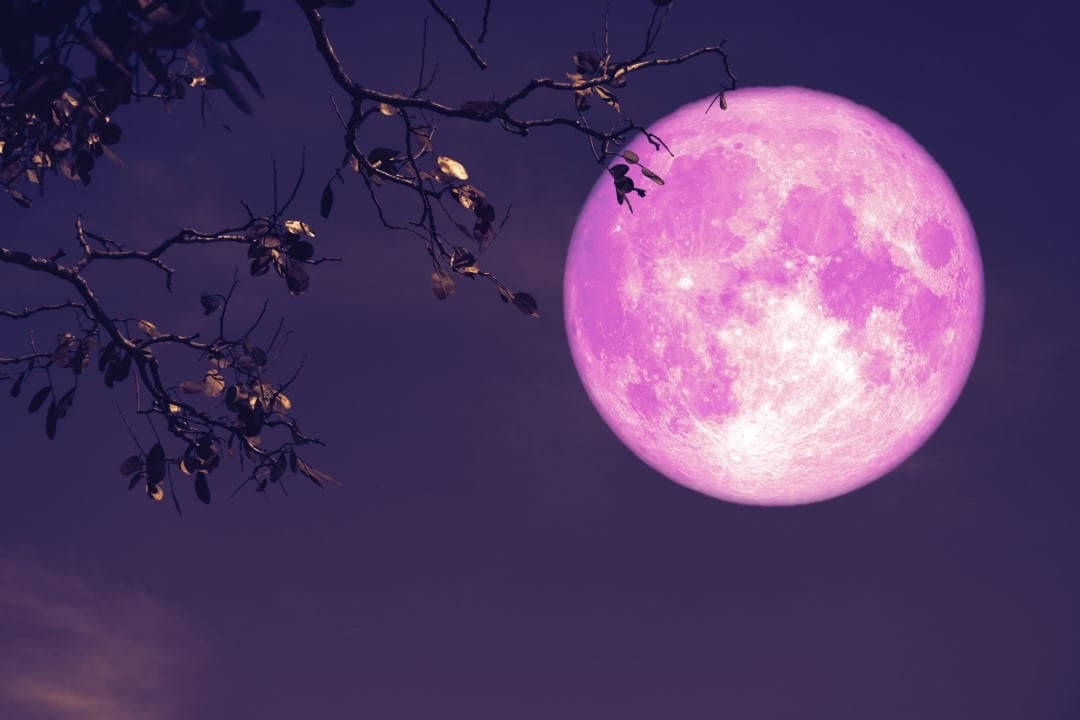
June’s Lua Cheia, known as Lua of Morango, peaks on June 29. The name comes from the tradition of fruit harvesting in the northern hemisphere, but the satellite does not acquire a natural reddish tone. Durante sunrise and sunset, the atmosphere can dye it orange.
The event marks the end of an intense sequence of phenomena. Observadores notice the lower Lua on the horizon at this time.
Melhores places on Brasil to follow events
Regiões with low light pollution stand out for observation. Parque Estadual of Desengano, in Rio of Janeiro, has international dark sky certification. The Chapada of the Veadeiros, in Goiás, and the Serra of the Canastra, in Minas Gerais, also offer excellent conditions because of the altitude and dry air.
Outros targets include the Jalapão, in Tocantins, and Serra areas of the Cipó, in Minas. Pousadas and local parks host guided telescope sessions on various dates throughout the month. The interior of São Paulo and the south of Minas present affordable options for residents of the Sudeste region.
- Priorize locations away from large urban centers
- Verifique weather forecast for clear nights
- Leve reclining chair, red flashlight and repellent
- Participe of astrotourism events for guidance
The combination of planetary conjunctions and Lua Nova makes June one of the best months for those starting out in amateur astronomy. The sky delivers accessible spectacle without the need for expensive equipment in most cases.
Dicas practices for safe and profitable observation
Escolha indicated times for each event and prepare the location in advance. Evite strong white lights that compromise eye adaptation. Aplicativos show exact positions of planets in real time. Astronomy Grupos on social media shares updates on local conditions.
Patience helps. Fenômenos Celestials demand clear skies, but reward with images that stay in memory. Junte family or friends to transform going out into a shared moment.