The success of Backrooms and Obsession reveals a change in young audiences’ taste for original cinema
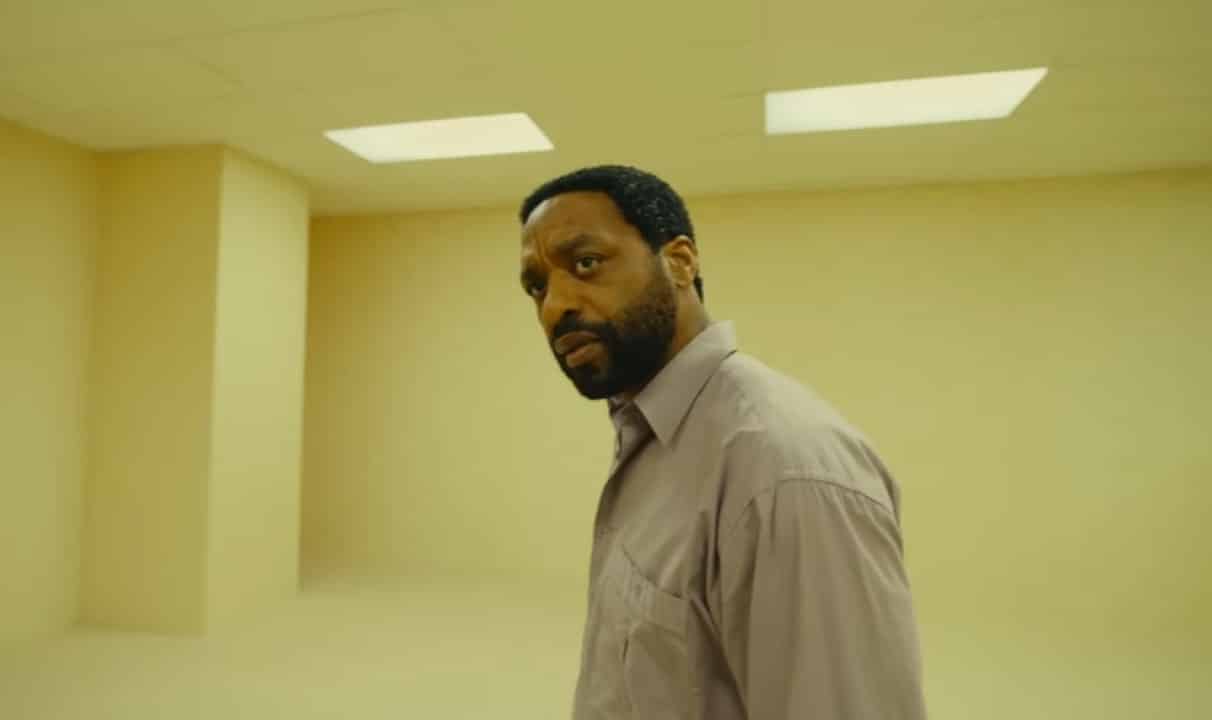
Two independent horror films with minimal budgets dominate American screens this summer. Backrooms and Obsession together accumulate hundreds of millions of dollars, while high-cost productions such as Masters of the Universe and Star Wars: The Mandalorian and Grogu falter. The sharp contrast between the results sparks debate about the future of big franchises in Hollywood.
The phenomenon gains strength with very young directors at the helm of projects. Backrooms’ Kane Parsons is barely 21 years old. Curry Barker, from Obsession, is 26. Both built experience in short productions for YouTube before debuting in a feature film. The public, especially generation Z, responds with enthusiasm in movie theaters.
Directors leave YouTube and conquer the box office
Kane Parsons created a Backrooms web series at the age of 16. The first episode has accumulated tens of millions of views on the platform. The cinema version, released by A24, cost around 10 million dollars. In its opening weekend, it grossed 81 million in the United States. So far, the domestic total exceeds 135 million.
Curry Barker shot Obsession in just over 20 days for less than a million dollars. The film, distributed by Focus Features, does not have big stars. Even so, it already totals 152 million in the United States and 225 million worldwide. The film is the first since E.T. to increase box office sales in its second and third weeks in theaters.
- Backrooms explores dark and disorienting labyrinths with Chiwetel Ejiofor and Renate Reinsve in the cast.
- Obsession tells the story of a shy man who uses a supernatural object to win his friend’s love, with sinister consequences.
- Both titles prioritize psychological tension and body horror elements over expensive visual effects.
The path of the directors shows a new route into cinema. Years of experimentation in online videos have allowed them to refine techniques, test ideas and build an audience without relying on traditional studios.
Expensive blockbusters face rejection from young audiences
Masters of the Universe, based on toys and cartoons from the 1980s, debuted with just $29 million in its opening weekend. Star Wars: The Mandalorian and Grogu, which arrived in May, registered 10 million this past weekend. The estimated budgets are around 200 million and 165 million, respectively, not counting marketing.
These numbers contrast sharply with the performance of horror films. Analysts point out that classic franchises target older viewers’ nostalgia. Backrooms and Obsession connect directly with young audiences, who attend cinemas more regularly.
Recent research indicates that 87% of young Gen Z people watched at least one film in the cinema in the last year. The number drops to 58% among baby boomers. Cinemas function as a “third place” for socializing, away from cell phone screens and doomscrolling.
Horror remains attractive even with low investment
The horror genre stands out for its ability to generate profit with limited resources. Previous experiments, such as Talk To Me in 2022, had already shown the potential. Films like this allow collective immersion, with audiences that scream and react as a group.
Backrooms and Obsession provide material for post-session discussion. The first intrigues with its labyrinthine and ambiguous narrative. The second takes a romantic dynamic to uncomfortable extremes. This thematic depth attracts viewers who want to discuss what they saw.
Smaller studios such as A24, Focus Features and Neon gain space by focusing on original projects. Executives at large companies must rethink strategies focused only on known IPs.
Change in the production model can be consolidated
Traditional Hollywood invests heavily in sequels and remakes. High risk does not always bring proportional return. Recent cases of costly failures reinforce the lesson.
Young creators bring freshness and understanding to today’s audience. Platforms like YouTube serve as incubators for talent and ideas. Current success may encourage more investment in new voices.
Still, big franchises like Spider-Man and Toy Story should continue to dominate part of the calendar. The difference is that they now compete with agile and cheap alternatives that capture the attention of young audiences.
The earthquake caused by Backrooms and Obsession signals that commercial cinema is finding new ways to prosper. Original, well-told stories aimed at the right audience show that creativity and low cost can still overcome inflated budgets.
What the numbers reveal about today’s audience
The rise of these films reinforces trends observed in recent years. The horror genre benefits from the collective experience in the rooms. Young people look for content that generates conversation and identification.
Gen Z directors understand what works for their generation. They avoid tired formulas and rely on dense atmospheres and provocative concepts. The result appears in repeated visits to the cinema and digital word of mouth.
Agile studios can react faster to these signals. Large corporations, in turn, face pressure to balance tradition with innovation. The balance between the two models could define the industry’s next years.
