

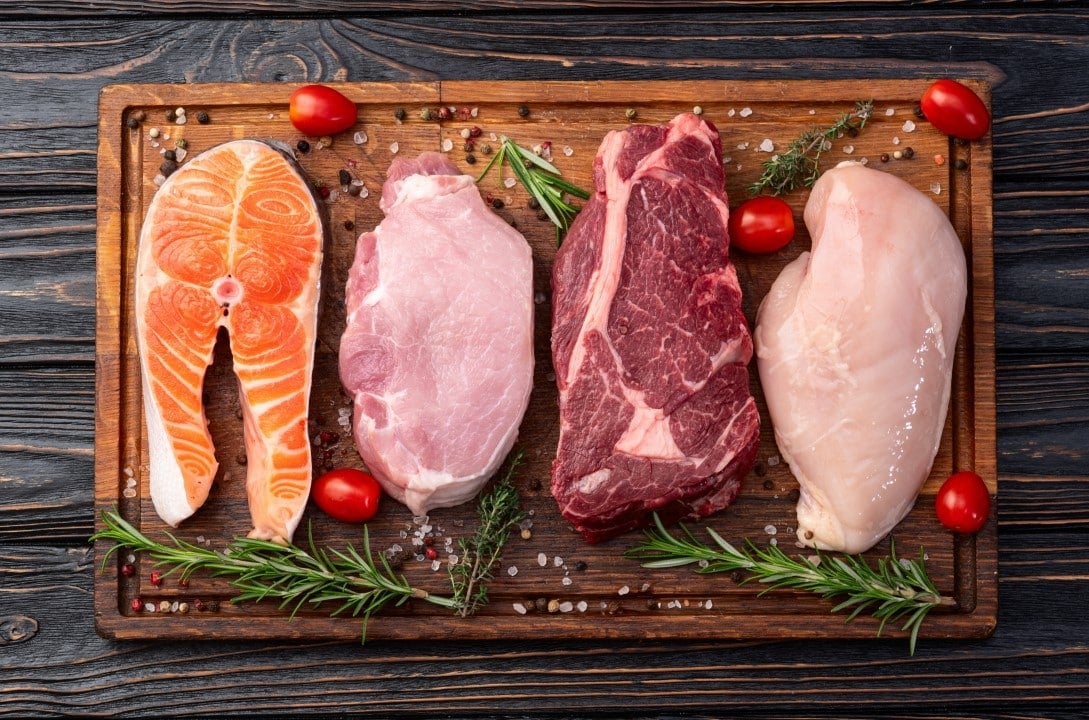
If you’ve recently walked through the processed foods aisle of a supermarket, you might have the impression that, when it comes to protein, the more the merrier.
Breakfast cereals, popcorn, pancake mixes and coffee drinks are being fortified with this nutrient. And the new inverted food pyramid, released by the Trump administration in January, highlights protein prominently, with steak, chicken and cheese at the top.
Research suggests that most adults in the United States consume far more protein than is necessary to maintain good health. In Brazil, studies also show that the population does not need extra protein. According to a 2025 survey of 3,000 American adults, 71% said they were trying to increase their protein intake, a jump from 59% in 2022.
Protein is an essential nutrient. But more doesn’t always mean better, says Bettina Mittendorfer, professor of nutrition and exercise physiology at the University of Missouri Medical School. And, in some cases, consuming quantities much higher than those recommended by nutrition experts can pose risks.
There is no hard and fast rule that determines how much protein is too much, experts say, and many people can exceed the recommended amounts without experiencing problems. But potential complications can arise when consumption significantly exceeds around 1.2 grams of protein per kilogram of body weight per day, explains Bettina.
Exaggerated focus on protein consumption can pave the way for some health problems
Heart disease and type 2 diabetes
Often, most of the protein consumed comes from meat and other animal products. In a study published in 2021, researchers from the United States Department of Agriculture found that animal foods, including beef, chicken and processed meats, accounted for nearly 70% of people’s protein intake.
Research suggests that those who consume greater amounts of red meat and processed meat tend to have a higher risk of heart disease and type 2 diabetes, says Donald Hensrud, associate professor of nutrition and preventive medicine at the Mayo Clinic School of Medicine.
In a large analysis published in 2023, for example, researchers found that consuming an extra 100 grams of red meat per day, the equivalent of a thin, boneless pork chop, increased the risk of heart disease by 11%. Each additional 50 grams of processed red meat per day, the equivalent of a traditional hot dog, increased this risk by 26%. Another study, also published in 2023, found that, among almost 217 thousand participants, the majority of whom were women, those who consumed the most red meat had a 40% higher risk of developing type 2 diabetes compared to those who consumed the least. Among those who ate more processed red meat, the risk was 51% higher.
Red and processed meats tend to contain high levels of saturated fats, which can raise blood levels of LDL cholesterol, the so-called “bad cholesterol”, and increase the risk of heart attack and stroke. These foods can also promote inflammation and insulin resistance, says Hensrud, which can further increase the risks of heart disease and type 2 diabetes.

Cancer
Consuming too much red meat and processed meat can also increase your risk of cancer, especially colorectal cancer, says Hensrud.
In a study published in 2024, researchers found that diets high in red meat were associated with a 30% increase in the risk of developing colorectal cancer, while diets high in processed meat were associated with a 40% increase in that risk.
Dariush Mozaffarian, cardiologist and director of the Food Is Medicine Institute at Tufts University, says that plant-based sources of protein, such as soy, lentils, beans and nuts, as well as fish and fermented dairy products, such as yogurt, are much healthier options.
People who prioritize vegetables, fruits and whole grains, along with lean or plant-based proteins, are less likely to develop certain types of cancer, as well as cardiovascular disease and type 2 diabetes.
Constipation and other digestive problems
People focused on increasing their protein intake, especially those following low-carb diets, sometimes end up skipping fiber-rich foods like vegetables and whole grains, says Marc O’Meara, a registered dietitian at Brigham and Women’s Hospital in Boston.
Fiber is essential for keeping the intestine and intestinal microbiota healthy, explains O’Meara. They help regulate the functioning of the intestine and serve as food for the microorganisms that live in it. Diets higher in fiber may also reduce the likelihood of developing certain intestinal disorders, such as irritable bowel syndrome.
O’Meara recommends aiming for equivalent portions of vegetables, proteins and whole grains at most meals. Or, if your goal is to restrict calories to lose weight, make half your plate vegetables and divide the rest evenly between proteins and whole grains.
weight gain
A popular claim on social media is that you need to follow a high-protein diet to lose weight or gain muscle mass. But if you’re not doing enough strength training or other exercise to keep up with this increase in protein consumption, says Mozaffarian, any excess calories, including those from protein, will be converted to fat.
O’Meara also notes that favoring protein-rich foods over vegetables can lead to weight gain. A half-cup of cooked vegetables, for example, contains on average about 25 calories, while a half-cup of cooked chicken has approximately 140 calories. If you triple your serving of chicken to consume more protein, you’ll eat five to six times more calories than you would when tripling a serving of vegetables, explains O’Meara.
Kidney problems
If your kidneys are healthy, you probably don’t need to worry too much about consuming too much protein, says Hensrud. However, for those with chronic kidney disease, especially those who may be close to needing dialysis, metabolizing large amounts of protein can put a strain on the kidneys, says Hensrud, further reducing their function.
Kidney stones are also a possible side effect of consuming too much animal protein, says Hensrud. However, if you drink enough water, the risk is much lower.