

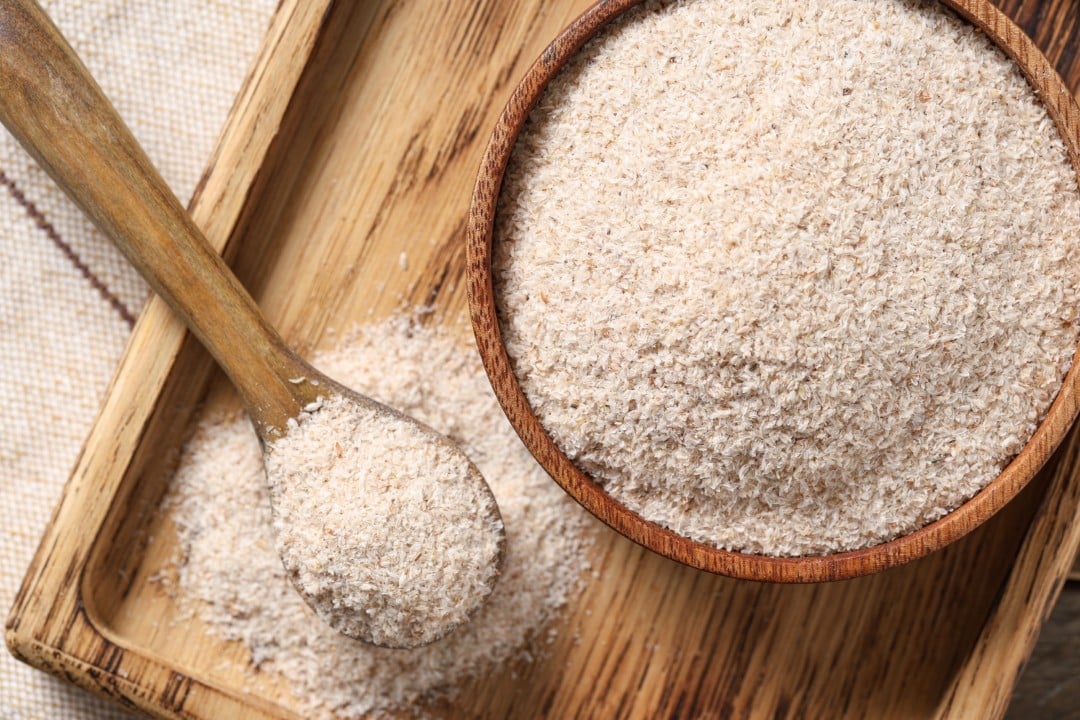
The powdered fiber known as psyllium has attracted attention on social media. Users compare it to Mounjaro for its supposed effects on appetite. The substance, however, does not act as an injectable medication. It offers complementary support within a balanced routine.
Psyllium comes from the seed ofPlantago ovata, a plant native to India. When mixed with water, it forms a viscous gel that is not digested by the body. This mechanism slows down the absorption of nutrients in the intestine and promotes a feeling of satiety.
Fiber forms gel that slows digestion
Consumed before meals, psyllium increases the viscosity of intestinal contents. The process delays gastric emptying. People report feeling less hungry between meals. Soluble fiber also contributes to regular intestinal transit.
Experts recommend ingesting fiber with plenty of fluids. Hydration prevents discomfort such as bloating or constipation. Typical amounts vary between 5 and 10 grams per dose, diluted in water or juice.
- Take 15 to 30 minutes before lunch and dinner
- Maintain daily water intake above two liters
- Combine with balanced diet and physical activity
- Consult a nutritionist before starting prolonged use
Scientific review points to modest effects
An analysis published by Wolters Kluwer Health examined the impact of psyllium on people who are overweight or obese. The researchers observed a reduction in waist circumference and a slight decrease in weight in some groups. The main effect comes from increased satiety.
The gel formed by fiber also influences glycemic control. In patients with type 2 diabetes, psyllium helped stabilize glucose levels. Studies also indicate benefits in reducing LDL cholesterol. Results, however, depend on consistent adherence and eating habits.
Previous research shows mixed results. Not all volunteers recorded significant weight loss. Psyllium works best as an adjunct, not as an isolated solution. Individual differences in metabolism and diet explain the variations.
Comparison with medicine generates myth
The term “Poor Mounjaro” emerged in online discussions. The injectable pen costs around R$1,000 per month. Psyllium powder costs R$30 to R$100, depending on the packaging and supplier. The price difference explains the nickname, but the mechanisms are different.
Mounjaro acts directly on hormone receptors. Psyllium offers mechanical action on the digestive tract. Experts warn that calling fiber a direct substitute can create unrealistic expectations. Inappropriate use, without guidance, causes adverse effects such as gas or diarrhea.
How to use fiber safely
Nutritionists advise starting with smaller doses to assess tolerance. Fiber should be part of a supervised eating plan. Results appear over weeks or months, associated with a controlled calorie deficit.
Psyllium does not replace medical treatment. People with pre-existing gastrointestinal conditions need professional evaluation. Interactions with medications also deserve attention, especially antidiabetic drugs.
Fiber contributes to cardiovascular health by reducing cholesterol. It helps control blood pressure indirectly, via weight loss. In diabetics, it improves metabolic markers such as HbA1c. These gains appear with regular consumption and proper diet.
Final precautions and recommendations
Consumers should choose products from trusted brands. Checking quality seals prevents contamination. Storing in a dry and cool place preserves the properties. Discontinue use if persistent symptoms appear.
Psyllium represents an affordable option within health strategies. It does not promise miraculous results. Combined with sustainable habits, it becomes a useful ally for those seeking balance.