

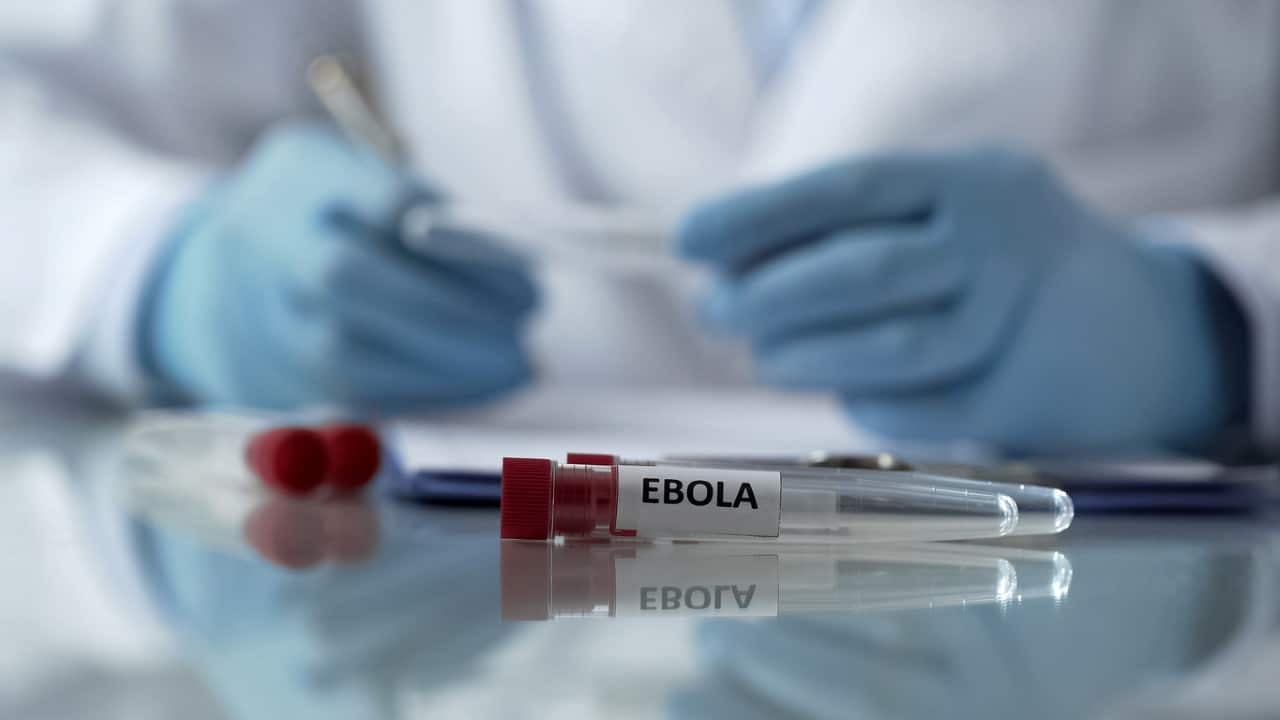
Health surveillance in the state of São Paulo began investigating a new suspicion of contamination by the Ebola virus in São Paulo. The patient, a 31-year-old Brazilian woman, is hospitalized under total isolation at the Emílio Ribas Institute of Infectious Diseases, located in the capital. The state body confirmed the official notification this Wednesday, immediately activating international biological containment protocols. This record comes a few days after a first alert in the state was dismissed by medical authorities, highlighting the state of readiness of the hospital network for highly lethal hemorrhagic diseases.
Travel history and clinical manifestation
The investigation began after the patient reported a recent trip for professional reasons to the province of North Kivu, located in the east of the Democratic Republic of Congo. The African region, together with the neighboring province of Ituri, is currently the epicenter of an active outbreak of the disease. The area borders Uganda and South Sudan, forming a geographic corridor where the movement of people and the presence of local armed conflicts have historically made it difficult for World Health Organization teams to contain the pathogen.
The Brazilian woman disembarked in Brazil on June 6, at which time she did not show any changes in her health. The clinical picture underwent an abrupt change three days later, on June 9, when the first episodes of high fever and acute diarrhea appeared. Faced with discomfort, the woman sought initial care at a unit within the private hospital network in the capital of São Paulo.
The doctors from the private service, when carrying out the screening and identifying the history of travel to an endemic area, applied the suspected case definition criteria established by the Ministry of Health. The verification of the correlation between the symptoms and the travel resulted in the patient’s immediate transfer to the public reference system during the early hours of June 10, ensuring that the transport took place under strict health security measures.
Isolation protocols and laboratory tests
The Emílio Ribas Institute of Infectious Diseases, destination of the transfer, acts as the main center of excellence in infectious diseases in Latin America and has specific infrastructure for the management of high-risk pathogens. The patient remains placed in an isolation bed with negative pressure, a technology that prevents contaminated air from escaping to other areas of the hospital. The current medical bulletin indicates that her health status is considered stable, receiving continuous clinical support while awaiting the outcome of the tests.
To speed up the differential diagnosis, the medical team promptly performed a rapid test to detect malaria, a disease that shares similar initial symptoms to Ebola and is common in the same African region. The result of this preliminary examination was negative, which kept the suspicion of hemorrhagic fever in evidence in the medical records.
Confirmation or definitive ruling out of the infection now depends on genetic sequencing and virological tests conducted by the Adolfo Lutz Institute. The state’s central laboratory uses high-precision molecular biology techniques to identify the presence of the virus’s genetic material in the patient’s blood. Until the official report is released, all teams entering the isolation room use maximum level personal protective equipment, including waterproof overalls, double gloves and autonomous respirators.
Previous cases and level of risk in the national territory
The São Paulo health system had already dealt with a similar alert at the beginning of the month. On June 1, a 37-year-old man, also from the Democratic Republic of Congo, was hospitalized with suspected hemorrhagic fever. After carrying out the battery of tests, infectologists ruled out Ebola and made the diagnosis meningococcal meningitis, a serious infection caused by the bacteria Neisseria meningitidis. The foreign patient continues his treatment at Emílio Ribas and presents a clinical recovery considered favorable by the medical teams.
In addition to the two notifications registered in São Paulo, the Ministry of Health is monitoring a third suspicion reported in the state of Rio de Janeiro. Despite the simultaneity of these events, federal and state health authorities maintain that the risk of introduction and spread of Ebola in Brazil and throughout South America is classified as very low.
This soft risk assessment is based on the biology of the virus itself. Unlike respiratory pathogens that cause global pandemics through airborne droplets, Ebola requires direct, intimate physical contact with bodily fluids from a person who is already experiencing severe symptoms. Asymptomatic patients, even during the incubation period, do not have the capacity to transmit the disease, which facilitates contact tracing and blocking transmission chains in the early stages.
Public network training and forms of transmission
As a preventive and continuous preparation measure, the State Department of Health intensified epidemiological surveillance actions in all municipalities in São Paulo. The government body recently concluded a training program that trained more than 1,100 health professionals, including doctors, nurses and technicians, for the early identification of febrile hemorrhagic syndromes.
The strategy included the distribution of an updated version of the Joint Briefing Note on the Ebola Virus. The technical document provides standardized guidelines to guide hospitals and health centers on the correct management of patients, mandatory notification flows, epidemiological investigation techniques and the daily monitoring of people who have had contact with suspected cases.
Medical literature describes that the incubation period for the virus varies from two to 21 days after exposure. When the disease manifests itself, the clinical picture evolves quickly. The main warning signs and routes of contagion include:
- Sudden onset of high fever accompanied by intense muscle pain, extreme fatigue and severe headache.
- Progression to acute gastrointestinal symptoms, such as nausea, persistent vomiting, diarrhea and pain in the abdominal region.
- In critical stages, development of internal and external hemorrhages, which can lead to hypovolemic shock and multiple organ failure.
- Exclusive transmission through direct contact with blood, saliva, urine, feces, breast milk or semen of infected individuals.
- Risk of contagion through handling sick wild animals or by touching surfaces and objects recently contaminated by biological fluids.
Authorities reinforce that there is no scientific evidence of Ebola transmission through air, water or intact sweat. The current focus of public health in São Paulo remains on rigorous observation of the isolated patient and ensuring that all biosafety protocols continue to operate at maximum effectiveness until the conclusion of the laboratory investigation.