

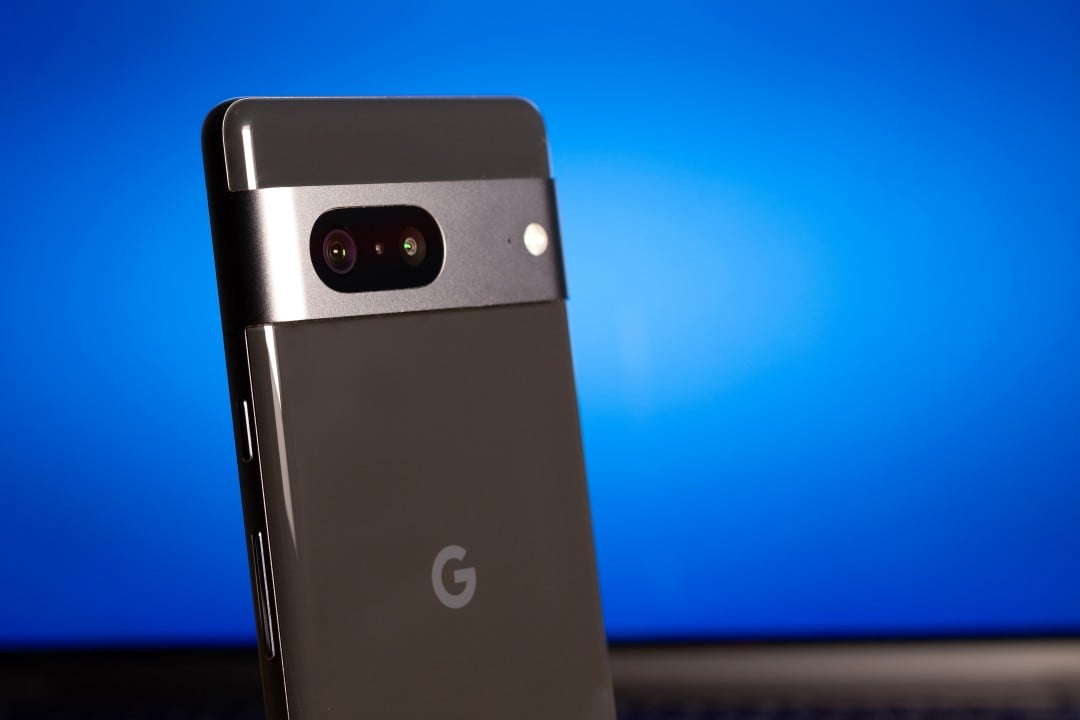
Owners of Google Pixel smartphones who faced an endless reboot cycle now have an official way out of the critical defect. After a long period of uncertainty and devices completely unusable, the North American manufacturer released a definitive repair procedure. However, the alternative requires a considerable sacrifice on the part of the consumer: it will be necessary to format the equipment at the factory, permanently erasing any local file that is not properly synchronized with cloud storage services.
Understand how the March package broke the operating system
The origin of the problem dates back to the third month of this year, when the search giant made the long-awaited “March Feature Drop” package available via OTA (Over-The-Air). This major system update promised to deliver unprecedented tools based on generative artificial intelligence, including advanced customization of interface icons and the innovative Magic Cue function. However, shortly after the firmware download and installation were complete, a significant portion of consumers saw their phones completely collapse during the restart process.
The main symptom of the failure was corrupting the startup and preventing the Android interface from loading. According to thousands of reports shared on technology forums and social networks, the displays froze on a dark screen displaying only the logo with the letter “G”. From that point on, the hardware would go into a loop, forcing the processor to restart repeatedly without ever reaching the initial unlock screen, draining the battery until it was exhausted.
The defect ranged from the recently launched Pixel 10 line to older versions
The impact of software errors has reached alarming proportions in the global market due to the number of variants compromised by the defective code. In the early days of chaos, the developer community believed that only the modern and expensive models in the Pixel 10 family suffered from the systemic crash. However, further investigation and user complaints revealed that even the Pixel 6 series, launched years ago, was susceptible to the breakdown that turned electronics into mere paperweights.
With thousands of devices suddenly inoperable in several countries, the company’s service channels were overwhelmed by urgent requests for help. Frustration reached its peak when more experienced users tried to access Android’s native recovery mode to force a cache wipe or manual reset. To everyone’s surprise, they discovered that the bug was so deep that it blocked even this basic security layer of the operating system.
Manufacturer’s guidelines involve manual controls and hardware exchange
After weeks of analyzing crash reports and error logs sent by affected devices, software engineers have finally established an official recovery protocol. In a statement addressed to the customer community, the company advised victims of the crash to contact specialized technical support immediately. The rationale for this screening is that the resuscitation method varies drastically depending on the level of corruption of each drive’s boot files.
During the consultations, experts are guiding consumers along different paths to definitively resolve the crisis:
- Fastboot Restore: Using a specific combination of physical volume and power buttons to access a hidden partition and force deep formatting before system loading.
- Full equipment replacement: In extreme cases where the motherboard does not respond to emergency commands or the storage has been physically corrupted, Google arranges to send a new cell phone to the customer.
- Extended warranty analysis: Verification of purchase status to determine the feasibility of advanced repair at authorized assistance centers at no additional cost to the injured consumer.
Formatting requirement angers consumers who lost personal files
Although the phone turned on again and worked normally after the procedure, the technical requirement to erase the internal memory generated a wave of widespread indignation on digital platforms. For those who did not have an automatic and active backup on Google One or Google Drive, the correction means saying goodbye to travel photographs, family videos, important work documents and conversation histories. This is severe collateral damage caused by a data package approved and distributed by the Android developer itself.
The outrage over the situation was evident in the public outburst from an owner of the high-end Pixel 10 Pro XL, who harshly criticized the brand’s stance on official forums. The consumer argued forcefully that equipment sold in the premium segment, costing thousands of dollars, should never present such aggressive instability as to force the customer to destroy their own digital collection to regain basic access to the hardware they purchased.
Rapid battery drain continues to haunt the brand’s smartphones
While the nightmare of infinite restarts is heading towards an outcome considered bitter by many, the same March update left an unwanted legacy that still affects daily usability: abnormal energy consumption. Online communities continue to be filled with complaints about batteries plummeting from 100% to zero within a few hours of moderate use, a thermal and software anomaly that the development team has publicly admitted to investigating.
To date, there is no clear schedule or stipulated date for the release of a corrective patch that returns the devices to their original energy autonomy. This scenario of continued instability highlights the technology giant’s recent enormous difficulty in ensuring rigorous quality control and efficient stress testing before shipping new software to its vast global customer base.