

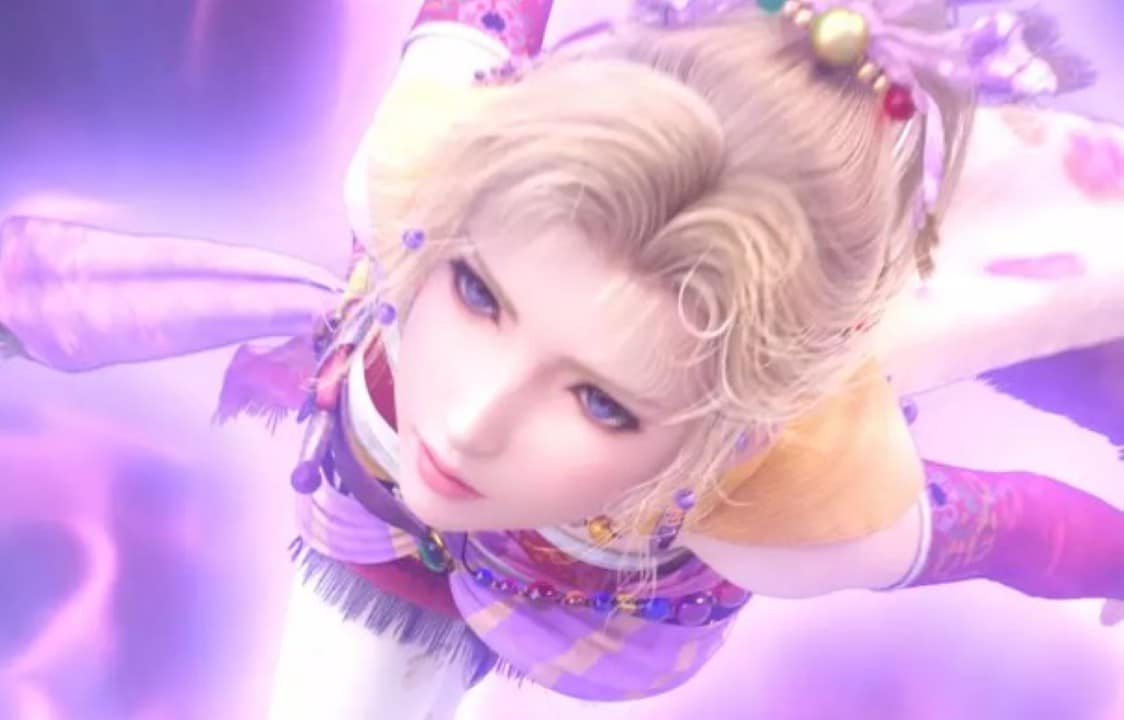
Square Enix’s acclaimed RPG franchise has just gained a new chapter with the announcement of Final Fantasy Resonance, officially revealed during the most recent Nintendo Direct broadcast. The title marks the main series’ debut in the coveted HD-2D graphic style, a visual technique that blends the nostalgic charm of pixel art with complex three-dimensional backdrops, dynamic lighting and modern camera angles. This aesthetic approach promises to deliver a visually rich experience, combining classic art direction with today’s technological resources.
The global launch is scheduled for October 22, 2026, with versions confirmed for computers and consoles PlayStation 5, Xbox Series on a much larger scope journey to desktop systems.
The backbone of the story continues to focus on the classic journey in search of magical crystals, following the knights Rain and Lasswell alongside their mysterious ally Fina. The big structural change is the complete elimination of gacha mechanics and microtransactions, an important step towards the preservation of mobile games that usually disappear forever when the servers are turned off. Now, players find a traditional and closed RPG, full of side missions, free map exploration and the iconic airship navigation, guaranteeing dozens of hours of content at no additional cost.
Combat system brings back the essence of turn-based battles
On the battlefield, the development team decided to abandon the frenetic action of the most recent titles to embrace tactical turn-based combat, requiring planning with each move. Users will be able to use the system known as Visions to summon legendary entities from the franchise’s universe, allowing famous summons such as Ifrit, Shiva and Bahamut to deliver devastating attacks against enemies. This mechanic not only deals massive damage, but also changes the conditions of the confrontation depending on the creature chosen for the offensive.
The project works as a temporal bridge that connects the brand’s roots with current rendering technologies. The creators explained that the main intention is to show the public exactly how the series would have evolved visually if the transition to polygonal graphics had never happened in the era of the first PlayStation. The result is a love letter to the nineties, keeping the visual identity intact while harnessing the processing power of contemporary hardware to create stunning magical effects.
Success of the visual format drives new strategies for the production company
The focus on this specific format does not happen by chance, as the aesthetic has already proven its commercial value in absolute sales successes such as Octopath Traveler and the recent remakes of the Dragon Quest saga. The decision comes at a crucial time for the community, shortly after the definitive closure of online services in the original version for cell phones. By converting the experience into a premium, offline product, the company ensures that the story and characters remain accessible for future generations, without relying on internet connections or server maintenance.
Consumers will have several purchasing options at launch, designed to suit different player profiles and collecting levels. The distributor confirmed the following editions available to the public:
- Standard Edition: containing the complete base game for all announced platforms.
- Digital Deluxe Edition: accompanied by exclusive virtual items and the official soundtrack.
- Physical Collector’s Edition: Premium package that includes a detailed concept art book and promotional cards for the franchise’s trading card game.
All this market movement reinforces the publisher’s commitment to keeping alive the mechanics that defined the role-playing genre in recent decades. By making the adventure available on virtually all modern platforms, the company is able to reach both nostalgic veterans and a new user base looking for dense narratives. The strategy strengthens the catalog of partner producers on Nintendo devices, while meeting the growing demand for traditional Japanese titles on competing computers and consoles.