Three hospitalized for E. coli O157 after consumption at a Costco store in Nagoya, Japan, with health alert

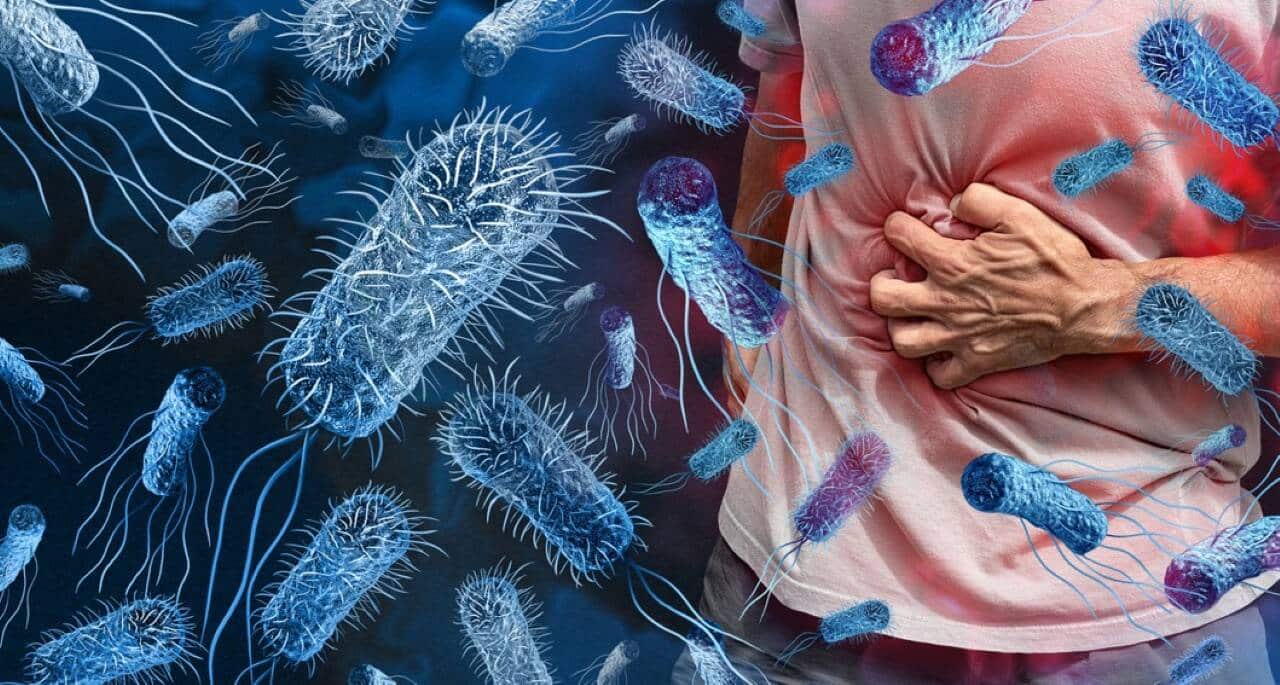
Five individuals, including children and adults, were diagnosed with E. coli O157 infection in Nagoya, Japan, after consuming food products prepared at a Costco location. Of this group, three people required hospitalization, triggering an alert from health authorities about food security in the region.
Confirmed cases of poisoning and immediate action by authorities
Nagoya city authorities announced, on June 15, the confirmation of cases of food poisoning. The five affected people, aged between 7 and 49, presented symptoms such as severe abdominal pain and diarrhea after eating food purchased at Costco located in the Moriyama neighborhood. Stool samples from all patients revealed the presence of enterohemorrhagic E. coli O157, leading to the determination of a foodborne outbreak. As a preventive and control measure, the city ordered the temporary closure of the kitchen responsible for preparing food in the store.
Product identified as source of contamination and ongoing investigation
The local public health center identified that the suspected foods consumed by the victims were “high rollers”, a type of pastry stuffed with bacon and lettuce, produced and sold directly at the Costco unit. Customers ingested the product on May 31st and June 1st, a period under intense investigation to determine the exact source of contamination within the preparation or storage process.
Understand the risks of E. coli O157 and the severity of Hemolytic-Uremic Syndrome
E. coli O157 is a particularly dangerous strain of the Escherichia coli bacteria, known for producing toxins that can cause serious illness in humans. Ingestion of this bacteria, often present in contaminated food and water, can lead to symptoms such as:
- Severe abdominal cramps
- Watery diarrhea, which can progress to bloody diarrhea
- Vomiting
- Low or absent fever
One of the biggest dangers associated with this strain is the possibility of developing Hemolytic Uremic Syndrome (HUS), a serious complication that mainly affects young children and the elderly. HUS causes destruction of red blood cells (hemolytic anemia), acute kidney failure, and a reduction in platelet counts. In the incident in Nagoya, an elementary school student was diagnosed with HUS and remains hospitalized, highlighting the urgency and seriousness of the situation.
Impact on food safety and inspection in large chains
The occurrence of an E. coli O157 outbreak at a large wholesale chain like Costco raises significant concerns about hygiene and quality control practices in the food industry. Nagoya City Hall, by ordering the closure of the kitchen, reinforces the importance of strict supervision in all establishments that handle food. This type of incident serves as a crucial reminder to consumers and businesses about the need to strictly adhere to safety standards to avoid contamination that can have severe consequences for public health.