Global flaw in the DoorDash system prevents deliveries and affects drivers in North America By Carolina Costa
3 min read
 |
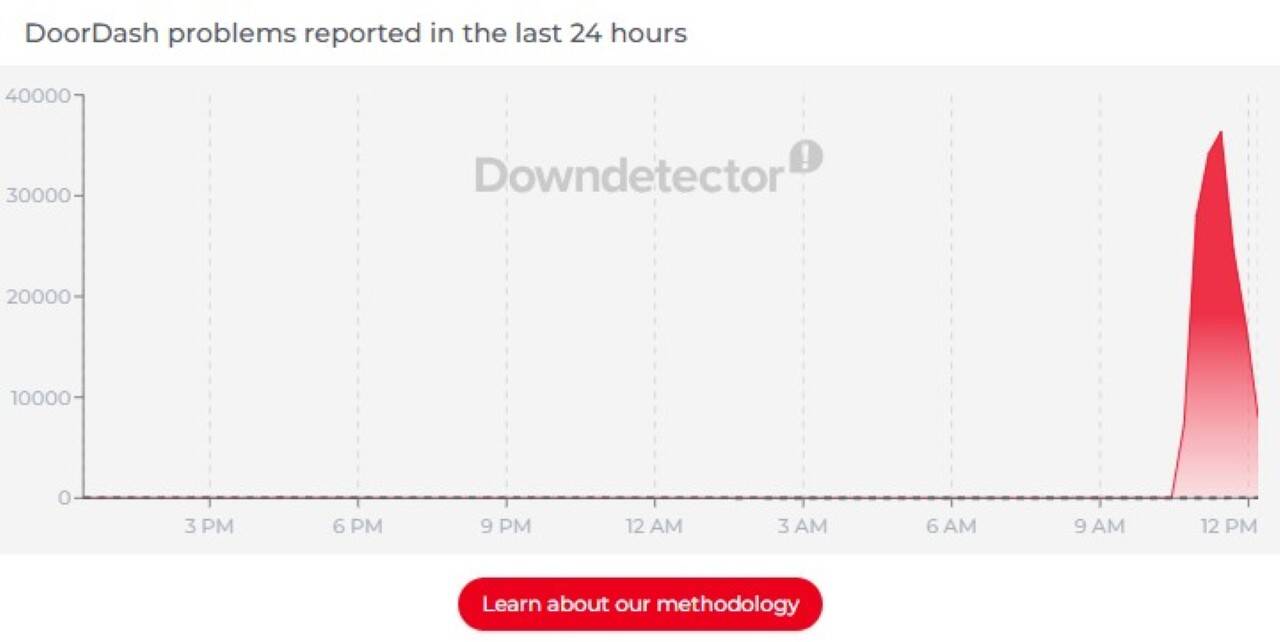
Massive instability hit the DoorDash delivery platform this Tuesday (16), blocking a multitude of consumers from accessing the app’s services. According to records from the Downdetector monitoring platform, the volume of notifications skyrocketed quickly, surpassing the 35,000 complaints mark in a short period of time.
The first signs of collapse appeared around 9:40 am in the New York time zone, which is equivalent to 10:40 am in Brasília time. Consumers who tried to access their accounts were faced with notices requiring internet verification, in addition to facing blank screens when searching for establishments. One of the biggest inconveniences reported involved credit cards being charged without the order being generated in the system, a situation that occurs due to bank pre-authorization that approves and holds the balance before final confirmation from the restaurant.
The application’s workforce, known as Dashers, also suffered severe consequences with the server crash. Several delivery drivers reported that they were abruptly logged out of their profiles, completely losing track of routes that were already in progress. The scenario generated chaotic situations on the streets, with drivers stuck with hot meals inside their vehicles, completely unable to discover the final destination of the delivery or accept new calls in the region.
The digital blackout was not limited to a single area, spreading across vast regions of the United States and Canada, with signs of repercussions in other territories where the brand operates. While Canadians began to notice a slight stabilization of services later in the morning, the situation remained critical in several American cities, where the application remained inoperative for the majority of the customer base.
Direct consequences for purchases that were already in transit
Those who managed to complete the payment moments before the collapse experienced moments of pure apprehension. Some meals reached their destination because the professionals already had the address memorized or saved in the navigation app, but a large portion of buyers were left without any status update or customer service support. Although the corporation’s standard policy guarantees financial refunds in cases of technical failure, the colossal number of simultaneous requests must cause a bottleneck in the processing of these returns.
Official company position on platform instability
The administration of the delivery service spoke discreetly, using only an internal alert in the software interface itself to confirm the existence of the defect. The institutional message guaranteed that engineering teams are mobilized to restore normality with the utmost urgency. However, the board did not release any technical explanation about what led to the general outage, nor did it establish a concrete deadline for all functionalities to return to operating perfectly.
System outages of this magnitude are outside the company’s historical pattern, however, when they happen, they generally coincide with periods of greatest data traffic. The sudden lockdown during business hours multiplied the frustration of thousands of workers and families who relied on the convenience of delivery to ensure lunch, turning a simple routine into an unexpected obstacle in the middle of the day.
Faced with the impossibility of using the main tool, a significant portion of the public quickly migrated to rival platforms, such as Uber Eats, or turned to regional delivery solutions to meet the immediate need. Technology experts recommend that consumers monitor stability graphs on monitoring sites or check the brand’s verified profiles on social media before attempting to carry out new financial transactions on the affected app.