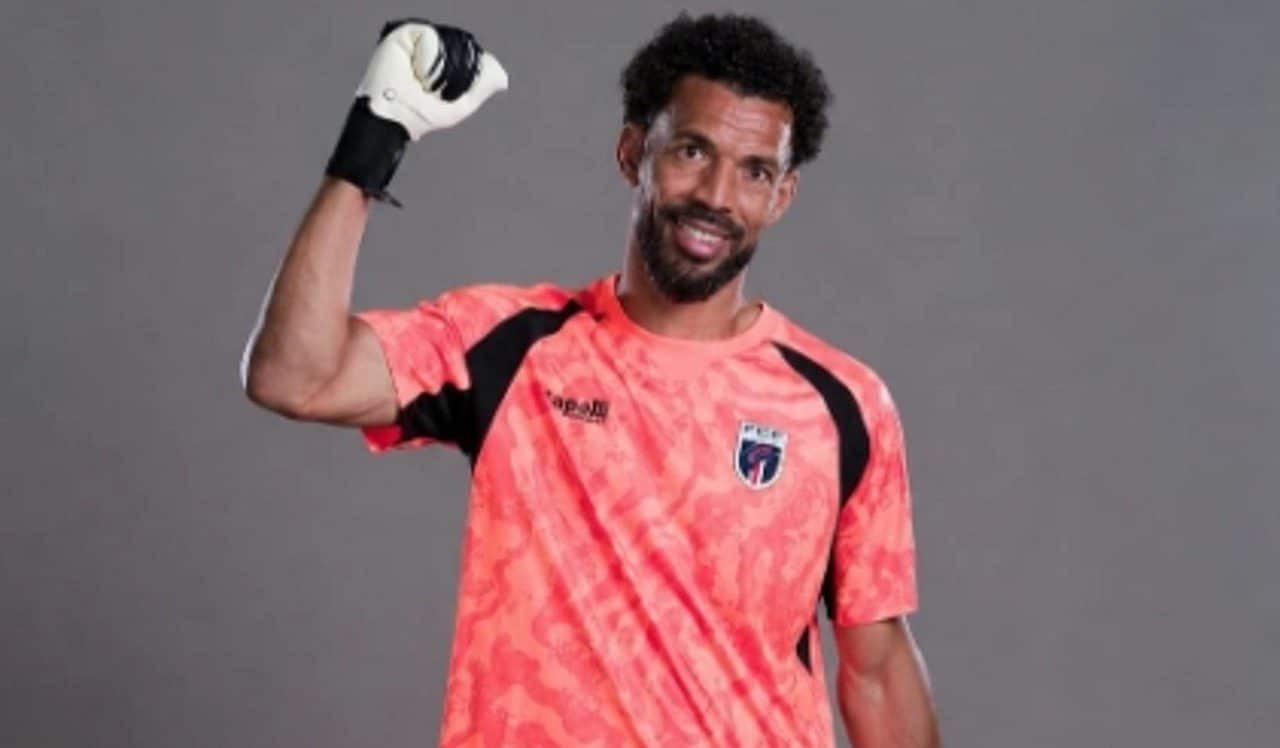
Goalkeeper Vozinha has already achieved iconic status for Cape Verde at the 2026 FIFA World Cup™. However, four decades before engraving his name in the history of the tournament, he starred, as a baby, in an unusual episode that almost brought the teams of Brazil and Argentina together, inspiring his name in former players such as Josimar and Jorge Valdano. The story of his baptism not only connects two football giants, but also illustrates the lasting impact of World Cup heroes and the profound cultural relevance of names linked to the sport across borders.
Although known worldwide as Vozinha, the athlete’s given name is Josimar, and it was almost Jorge Valdano. The renowned Cape Verdean archer, who shone in containing Spain’s attack on June 15, in his country’s historic debut at the FIFA World Cup™, was the point of convergence, even in his childhood, between Brazilian and Argentine football passions. Interestingly, the final decision regarding your certificate was made by a registry official in 1986.
“Within the world of football, I am recognized as a Voice”, declared the goalkeeper to FIFA after the match. “But I would like to take this opportunity to send a special greeting to Jorge Valdano and Josimar, who served as inspiration for choosing my name.”
Details of the clash between Spain and Cape Verde at the 2026 World Cup
Follow the main highlights of the match between Spain and Cape Verde, which took place at the Atlanta Stadium on Monday, June 15, at noon (local time).
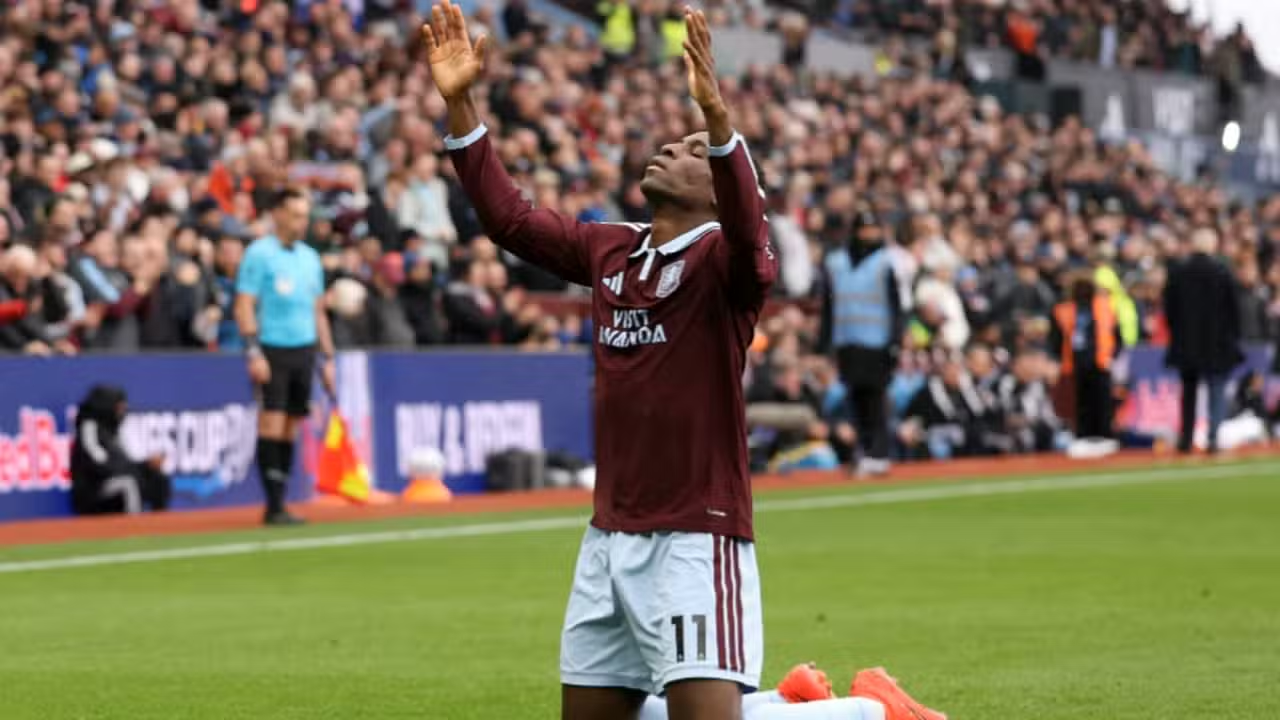
Playing alongside Diego Maradona in the 1986 Argentine champion team, Jorge Valdano scored four goals during the FIFA World Cup™, securing the Bronze Boot. His memorable performance captivated Zé Pedro, a Cape Verdean citizen, who tried to register his newborn son with the Argentine striker’s name.
Jorge Valdano’s historic goal in the 1986 final
Football’s highest governing body, FIFA, had contacted Jorge Valdano days before Cape Verde’s first game to share this narrative with the former Argentine athlete. Only then did he learn of the curious story and expressed great satisfaction: “Four decades after my participation in the 1986 World Cup, I feel as if I was also at the 2026 World Cup; not physically, but through Vozinha as ‘Jorge Valdano’. It was an extremely gratifying revelation.”
“Initially, it’s a mystery. Why did this man consider Jorge Valdano, when there was Diego Maradona?”, asked Valdano. “However, I couldn’t feel more proud. I sent a warm hug to Vozinha, her father, Josimar and everyone involved in this remarkable story”, added the former player.
An old photograph depicts Jorge Valdano, a member of the Argentine national team, jubilant after scoring the second goal in the final against Germany, on June 29, 1986, at the Azteca Stadium, in Mexico City, where Argentina won 3-2.
Josimar’s entry into the history of the name
The registry office employee who received Zé Pedro in Cape Verde refused to register the baby with the name Jorge Valdano, claiming that he was of foreign origin. Given this, the father opted for a prominent player in the same World Cup, but in Portuguese: the Brazilian Josimar, responsible for two beautiful goals in the 1986 World Cup, against Northern Ireland and Poland.
Josimar’s goal against Northern Ireland in 1986
“It is common for Cape Verdeans to support Portuguese-speaking nations, such as Brazil and Portugal”, explained Vozinha to FIFA. “My grandfather, for example, was a Brazil enthusiast, driven by admiration for football and its consistently powerful teams. It is a genuine manifestation of passion for the sport.”
Another memorable move from Josimar against Poland
A curious fact is that the goalkeeper’s grandmother, Maria Senhorinha dos Santos, now deceased, used to call her grandson “Dani” throughout her life, as she found it difficult to pronounce “Valdano”. However, it was from this same grandmother that Vozinha ended up adopting the nickname that identifies him on the field today.
Vozinha took on his famous nickname because he was raised by his grandparents, while his father did military service and his mother worked long hours. During football matches with older youths on the street, the boy often received pushes, but he hated defeat. In this way, his childhood friends used to comment that he “ran to his grandma”.
“I got hit a lot, and whenever I couldn’t fight back, I went home angry, with an expression of discontent, and they made fun of me, saying I was going to complain to my grandparents,” the Cape Verde goalkeeper told FIFA in June 2024, years before becoming the standout performer in a 2026 World Cup match.
Two seasons later, at the end of the clash against Spain, Vozinha dedicated the heroic equalizer to her grandparents. “My thanks go to my parents and my grandparents, who today shine like stars in the sky. My grandmother left us two years ago, my grandfather too, and I was raised by them. I’m sure that, if they were here, they would be immensely proud of their grandson. My emotion came from this. It’s an achievement that Cape Verde has strived for throughout its existence.”
In a moment of celebration, Vozinha, Cape Verde’s goalkeeper, is seen hugging his teammates on June 15, 2026, as photographed by Patrick Smith, via FIFA and Getty Images.
Currently, in addition to the Cape Verdean population, other fans around the globe show support for the team. The worldwide repercussion was so significant that the number of Vozinha’s followers soared from 50 thousand, at the start of the match, to an impressive 2.5 million on the same day.
“It’s something fabulous, I didn’t count on it. At the end of the day, everything is for Cape Verde, it’s for our people. I express my gratitude to all the fans, including the Brazilians, for their massive support for all Cape Verdeans and the national team. This represents Cape Verde”, he concluded.