

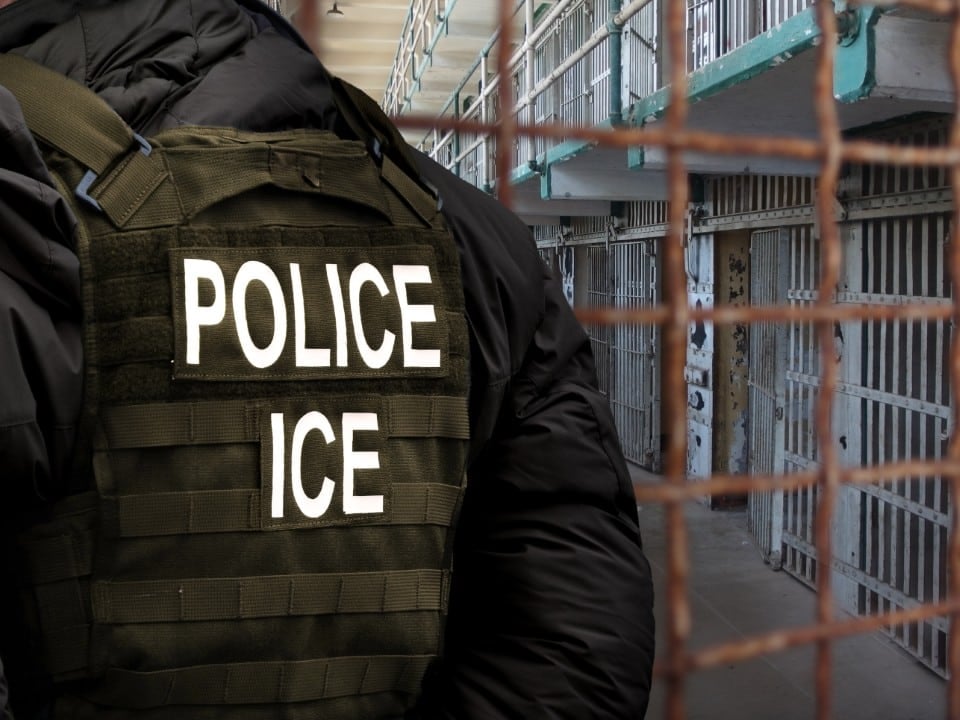
A 31-year-old Haitian woman died of hypothermia three days after being released from U.S. Immigration and Customs Enforcement (ICE) custody. The Allegheny County, Pennsylvania, coroner ruled the death a homicide.
Daphy Michel was found at a bus stop in Pittsburgh. Security camera footage shows that she sat on the same bench for days, wearing just a sweatshirt, with a bag containing her belongings next to her. First responders took her to the hospital on March 2, where she died.
Coroner classifies death as homicide
The medical examiner described Michel as a vulnerable adult with severe untreated mental health issues and a significant language barrier at the time of release by ICE on February 27. A finding of homicide indicates that the death resulted from the actions or omissions of others, but does not amount to a criminal charge.
If it happens again in 2026
This is the second death from complications of hypothermia involving immigrants released by ICE this year. In February, in Buffalo, New York, refugee Nurul Amin Shah Alam, 56, originally from Myanmar and visually impaired, was left outside a closed coffee shop on a cold day. His body was found days later and the death was also classified as a homicide.
The similarities between the two cases reignite the debate over ICE’s release protocols for people with vulnerabilities. The agency’s internal rules require agents to consider health conditions, provide free telephone calls and choose locations close to public transport during opening hours.

Michel’s History
Michel arrived in the United States in 2022 asking for humanitarian asylum. She lived in the Haitian community of Charleroi, Pennsylvania. In September last year, she was arrested by local police after incidents on the street involving “imaginary people”, which led to accusations of terrorist threats and harassment. He spent six months in prison, where he underwent psychiatric evaluations. A judge closed the case, understanding that there was no way to prosecute her for threats against non-existent people.
After her arrest, ICE detained her again. He put on an electronic ankle bracelet and transferred her to Pittsburgh, about 40 km away. His brother, with whom he lived, was not informed of the release. He only found out about what happened when the morgue contacted him, three days after the death.
The family’s lawyer, Joseph Patrick Murphy, criticized the way the release took place. “Even a 10-year-old could do more to help,” he said. The family plans to sue ICE.
Haitian migratory context
Michel left Haiti amid instability that worsened after the assassination of President Jovenel Moïse in 2021. Many Haitians sought protection in the US during the Biden administration, but faced a greater risk of deportation with Donald Trump’s return to the presidency. Organizations such as the Haitian Bridge Alliance have demanded measures from the Department of Homeland Security (DHS) to prevent vulnerable immigrants from being abandoned.
In a statement, DHS stated that Michel was released with all her belongings and that ICE “had nothing to do with the death.” Spokesperson Lauren Bis highlighted that the woman died three days after contacting the agency. On that date, temperatures in Pittsburgh reached 13°C during the day, but dropped drastically at night with the arrival of a cold front.