Samsung’s One UI 8.5 adopts post-quantum encryption to defend data against potential future attacks
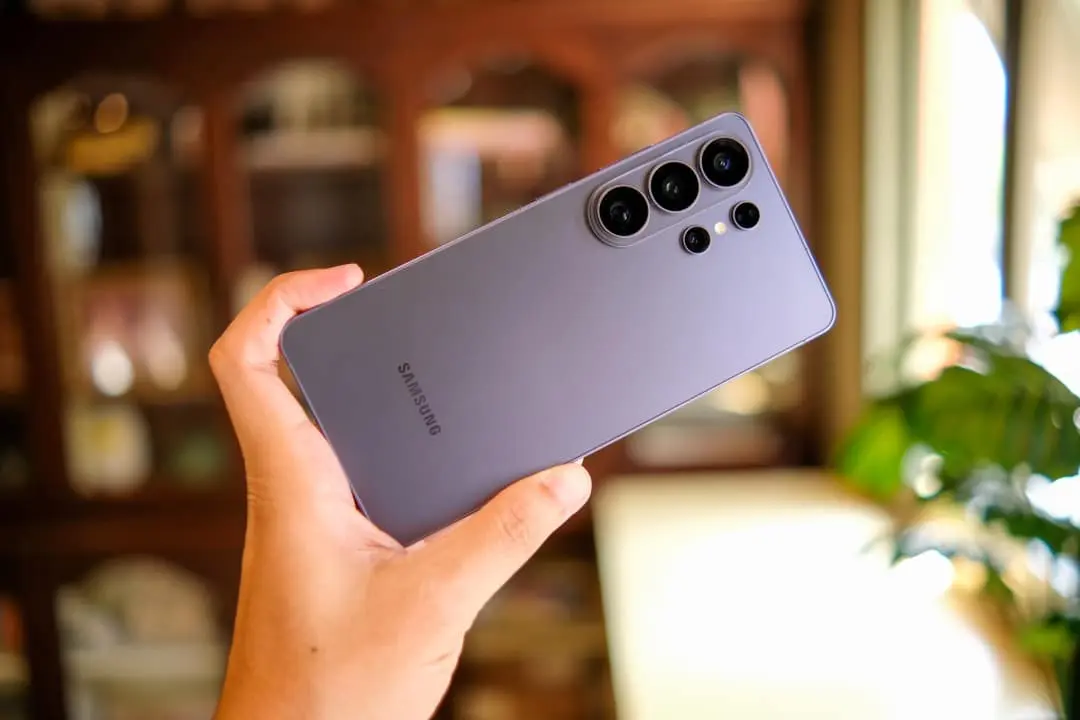
Samsung is strengthening the security of its Galaxy devices with One UI 8.5, introducing technologies ready for the quantum computing era. This update represents a strategic step forward to protect digital information against future threats, especially considering the growing use of artificial intelligence and the complexity of connected ecosystems. The measure aims to guarantee user privacy and data integrity in a constantly evolving digital landscape.
Understanding post-quantum cryptography and its purpose
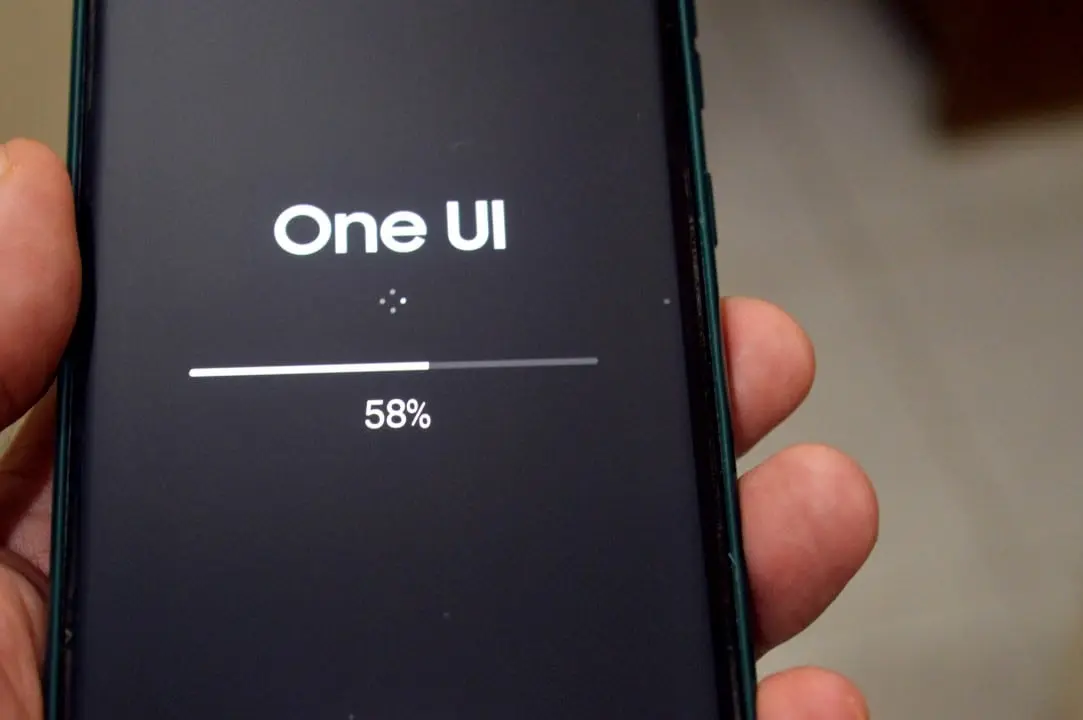
Post-quantum cryptography (PQC) is a field of research and development focused on creating security algorithms capable of resisting attacks from advanced quantum computers. Currently, most security systems, from smartphones to banking, rely on traditional cryptographic methods. However, the rapid progress of quantum computing raises concerns that these machines in the future could break these patterns with unprecedented speed.
Industry experts warn that although quantum computers capable of breaking current encryption are not yet widely available, the cycle for developing and implementing new security solutions is long. Adopting PQC now is a proactive strategy, ensuring sensitive personal data, files and communications remain secure before the quantum threat becomes an immediate reality for existing infrastructures.
More on this story: Samsung update brings quantum defense to Galaxy cell phones with the One UI 8.5 system
Samsung’s strategy for a more secure Galaxy ecosystem
Samsung has started integrating quantum threat-resistant mechanisms into key features of One UI 8.5. One of the highlights is the evolution of Secure Wi-Fi, which now incorporates encryption adapted to quantum computing, adding an extra layer of protection when connecting to public networks and shared environments.
This initiative is a key part of Samsung’s vision for a more robust Galaxy ecosystem. At a time when artificial intelligence (AI) increasingly processes users’ personalized information, usage habits and sensitive data, the company emphasizes the need for even higher levels of protection to ensure trust and privacy.
Multi-layer protection on Samsung Galaxy devices
Samsung’s mobile security strategy is comprehensive, with built-in protection from the hardware to the cloud. With One UI 8.5, the company enhances the capabilities of Samsung Knox and Knox Matrix, strengthening security across all connected devices within the Galaxy ecosystem.
See Also

Oblivion Remastered for Switch 2: game divides opinions between improved visuals and performance issues

Polish art world loses Jan Frycz, iconic theater and film actor, aged 72

Blizzard prepares Diablo 4 launch for Switch successor in September
Learn more: Leaked code previews translucent look of the future Galaxy S27 system
- Among the main security initiatives presented by Samsung are:
- New advanced encryption mechanisms to protect personal data.
- Intelligent, continuous real-time threat monitoring across Galaxy devices.
- Preventive resources designed to identify and mitigate suspicious activities.
- Expansion of Knox Enhanced Encrypted Protection (KEEP), an architecture dedicated to protecting personalized artificial intelligence capabilities.
One UI 8.5 innovations to strengthen encryption
One UI 8.5 elevates the security of the Galaxy ecosystem through new protection mechanisms, improved encryption, and smarter integration between connected devices. In addition to strengthening the security of locally stored data, the update extends capabilities linked to Samsung Knox Matrix and end-to-end encryption across the entire Galaxy environment.
The update also stands out for the harmonization between privacy and artificial intelligence. One UI 8.5 is designed to enable personalized experiences without compromising control or protection of user data. Samsung reinforces its ongoing commitment to security innovation to anticipate and overcome future digital challenges.
One UI 8.5 is now available on several Galaxy models, including the Galaxy S26, Galaxy S25, Galaxy A57 5G, Galaxy A37 5G series, the Galaxy Z Fold7, Z Flip7 and Z Flip7 FE foldables, as well as the Galaxy A16 5G and Galaxy M34 5G smartphones.