Wave of criticism of Marvel’s Wolverine generates outburst from Insomniac director on social media


The expectations surrounding *Marvel’s Wolverine*, one of Sony’s biggest releases of the year, resulted in a wave of negative feedback that provoked a statement from one of the directors of Insomniac Games. After preview events that took place on August 16, 2026, social networks were the scene of a flood of memes and pessimistic comments, leading James Stevenson, director of community and marketing at the studio, to express concern about the mental health of developers in the face of the toxic scenario.
First impressions and disagreements about the new Wolverine
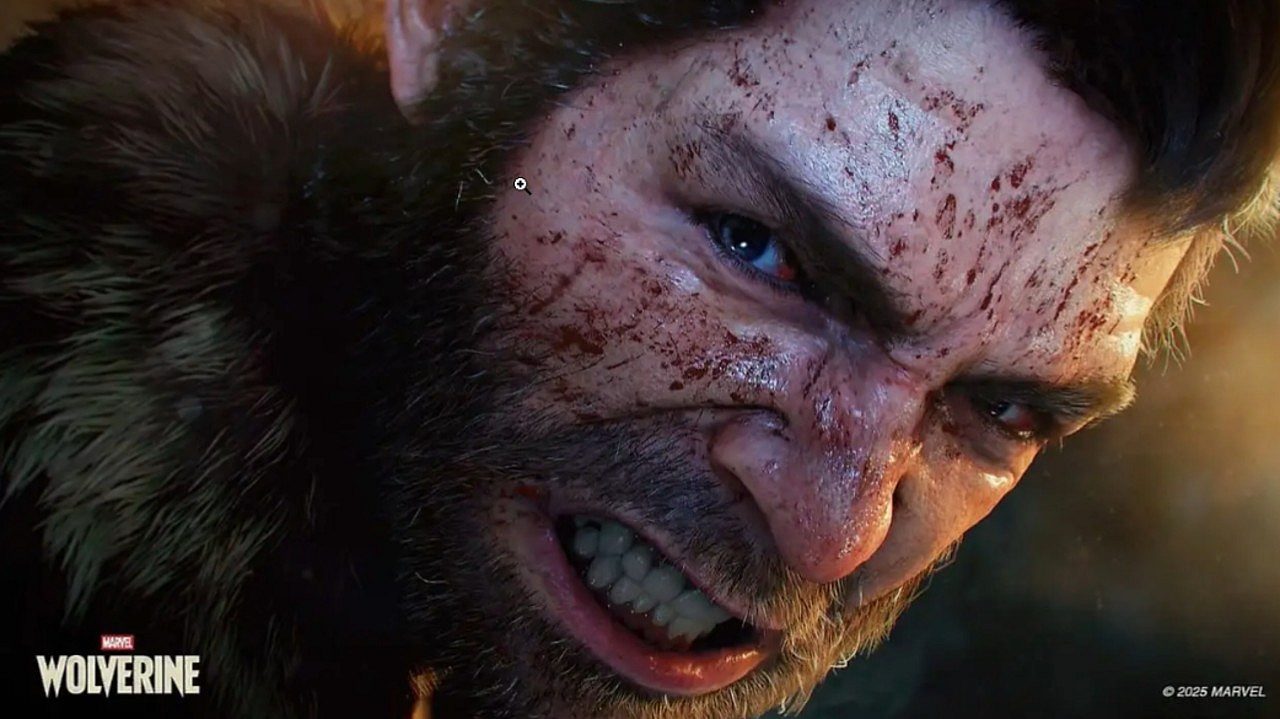
Preview presentations of *Marvel’s Wolverine* to the press confirmed that the game will follow a more linear action format, with phase-based progression, in contrast to the open world explored in the *Marvel’s Spider-Man* series from the same developer. This more traditional approach, which harkens back to the action games of yesteryear, was met with disapproval by a portion of the online public. Observers pointed out what they considered to be “stereotypes of modern AAA games” related to the difficulty and appearance of a Sentinel encounter, which was reminiscent of early 2000s boss battles. Posts highlighting these criticisms racked up millions of views on platforms like X, generating a polarized environment around the upcoming release.
Insomniac director expresses concern about the impact of social media
The intensity of the criticism led James Stevenson to speak out publicly on the matter. He stated that the way social media algorithms amplify negativity made him rethink his stance on encouraging developers to participate in or even observe online interactions. Stevenson described the experience as a “relentless attack” and raised questions about how healthy this type of exposure is for anyone’s mental health. His statement highlights a growing concern within the gaming industry about the hostile environment that sometimes forms on digital platforms, directly impacting creators.
The culture of early criticism in the gaming universe
The negative response to *Marvel’s Wolverine* reflects a broader trend in the gaming landscape, where “pre-release” criticism has become almost an event in itself. Social networks, with their structure that rewards quick opinions and, often, based on bad faith, create fertile ground for the exacerbation of concerns. Tiny details, such as characters’ facial features, can receive disproportionate attention and become the focus of intense discussions, distorting the debate about the overall game experience. The culture of “cancelling” a title even before its release has taken hold in recent years, as seen in early 2026 with the case of *Highguard*, a live service game that faced a barrage of early criticism, often without the basis of in-depth analysis.
Design Choices: Linearity and the Lore of Wolverine Games
Insomniac’s decision to make *Marvel’s Wolverine* a linear game, focused on direct action from one level to the next, differs significantly from its acclaimed *Marvel’s Spider-Man* adventures, which are known for their vast open worlds. However, it’s important to note that the linear hack-and-slash format was the same recipe for success for some of the best previous Wolverine games. While criticisms focus on aspects such as difficulty and perceived “old school” design, the focus on straightforward gameplay may pay homage to the character’s roots in the video game universe. The studio appears to have opted for an approach that prioritizes action and combat over exploration of an expansive world.
The impact of online toxicity goes beyond the gaming industry
Stevenson’s observation about negative feedback loops on major social media platforms resonates beyond gaming to other industries. He was right to point out that the “mania” surrounding discussions, driven by algorithms that favor engagement through negativity, is a phenomenon that affects several aspects of contemporary life. The visibility that a company should give to this type of online harassment is a delicate issue, but identifying the source of the problem – the dynamics of the platforms themselves – is an important step towards understanding and, perhaps, mitigating the impact on the mental health and creative process of countless professionals.