

This Monday (22), Argentina and Austria face each other on the field in the city of Arlington, Texas, United States, in a match valid for the second round of Group J of the 2026 World Cup.
However, off the field, the striking mountainous geography of both countries is the stage for another form of conflict, focused on safeguarding the vast glaciers that cover their mountain ranges.
What are the masses of ice known as glaciers and their formation
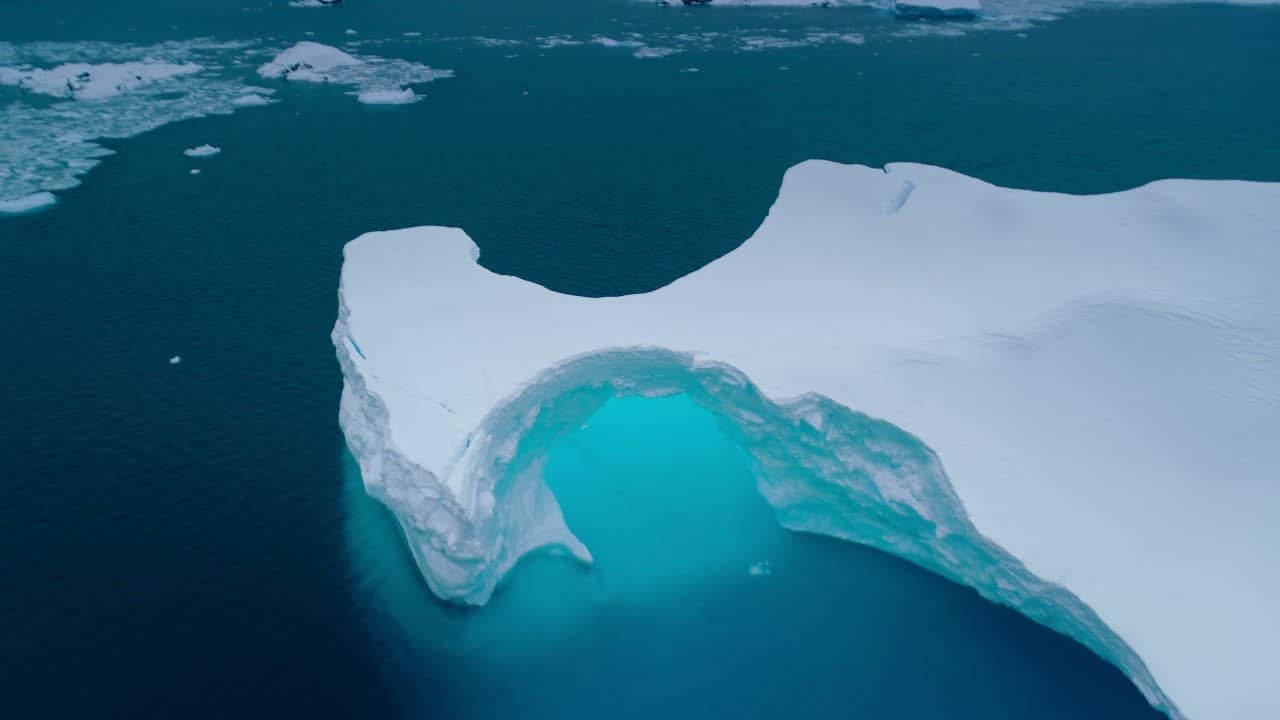
Glaciers, also called glaciers, represent gigantic accumulations of ice that have formed over millennia, the result of the continuous accumulation of snow that compacts and turns into dense ice.
As explained by Jefferson Cardia Simões, professor of Glaciology and Polar Geography at the Federal University of Rio Grande do Sul (UFRGS) and founder of the Polar and Climatic Center (CPC), these frozen masses function as natural water deposits, releasing the resource constantly throughout the year, even in periods of drought.
Despite their static appearance, these formations move slowly under the influence of gravity, acting like true rivers of ice. This characteristic places them among the largest freshwater reserves on our planet.

Currently, however, the two countries adopt almost antagonistic approaches when it comes to defending these valuable ice reserves.
In 2010, Argentina implemented the first global legislation specifically aimed at preserving glaciers and the periglacial environment. This area surrounding the visible ice stores frozen water underground, functioning as an essential reservoir for supplying rivers in seasons of little rain.
The central principle of Argentine legislation was simple: automatically protect all these zones, acting preventively, without the need for individual proof of the importance of each location.
However, this year, the Argentine government promoted a change in this standard that modifies this principle. This change in legislation, which aims to relax rules for economic activities such as mining, reverses the previous precautionary approach by setting precedents for projects that can directly impact these natural reserves.