

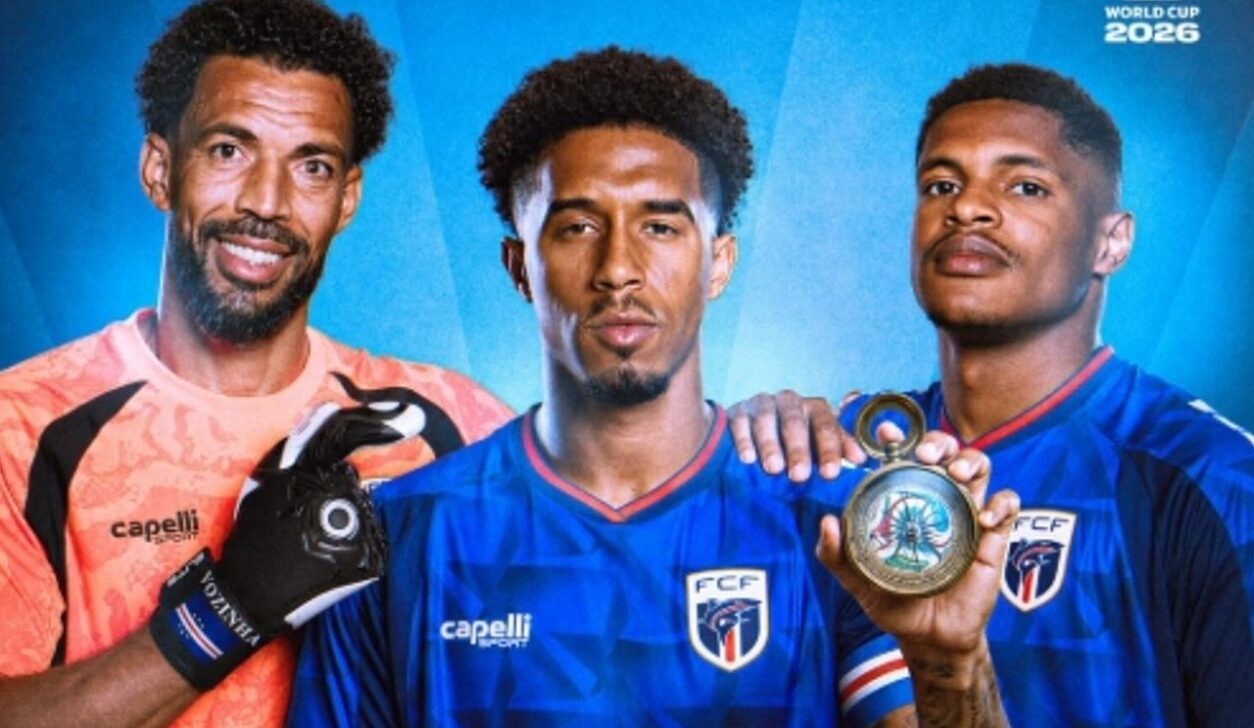
In an emotionally charged clash against Uruguay, held in Miami, the Cape Verde team demonstrated great competitive spirit and kept alive their hopes of advancing to the 2026 World Cup. The match ended in a vibrant 2-2 draw, with the Cape Verdean goals being scored by Kevin Pina and Hélio Varela, while Maxi Araújo and Agustín Canobbio found the net for the Uruguayan team. This historic result not only guaranteed another point for the “Blue Sharks”, but also marked the country’s debut on the scoreboard in the World Cup, with its first goals in the competition.
After having already achieved a draw in the opening round against Spain, the African team still has a real chance of qualifying for the next stage of the tournament. Currently, Cape Verde occupies third place in Group H, behind Uruguay only due to goal difference. In the decisive round, the Cape Verdean team will face Saudi Arabia in Houston, while the South Americans will have a difficult duel against Spain.
Updated World Cup Group H standings
The Group H leaderboard after the second round reflects the intensity of the dispute and Cape Verde’s chances:
- Spain:4 points (2 games, 1 win, 1 draw, 4 goals scored, 0 conceded)
- Uruguay:2 points (2 games, 0 wins, 2 draws, 3 goals scored, 3 conceded)
- Cape Verde:2 points (2 games, 0 wins, 2 draws, 2 goals scored, 2 conceded)
- Saudi Arabia:1 point (2 games, 0 wins, 1 draw, 1 goal scored, 5 conceded)
Cape Verde’s tactical stance in the first half of the match against Uruguay showed some similarities with its performance in the debut against Spain. The “Blue Sharks” demonstrated an organized and disciplined defense, resisting the opponent’s offensive pressure. However, the Uruguayan team was unable to impose the same volume of play and intensity as Spain, allowing the African team to feel more comfortable on the field.
In a moment of growing confidence and resilience, Cape Verde began to control possession more, imposing its pace on the game. In the 19th minute, midfielder Rodrigo Bentancur committed a foul on Telmo Arcanjo in the middle. Kevin Pina was responsible for the charge, delivering a powerful and accurate shot into the right corner, leaving experienced goalkeeper Fernando Muslera with no chance. This goal not only put Cape Verde ahead, but also became the first in the country’s history in a World Cup.
On the other side of the field, the Uruguayan team showed its strength and ability to react. Although they felt the impact of the goal conceded, Uruguay quickly recovered and increased the volume of their offensive attacks. With two well-executed aerial plays, the South Americans managed to turn the score around before the break.
In the first attempt that led to the goal, full-back Sidny Lopes Cabral was unlucky enough to head the ball against his own post, and Maxi Araújo took advantage of the rebound to tie the match, scoring his second goal of the tournament. Shortly afterwards, Araújo made an assist for Agustín Canobbio, a Fluminense player, who finished and put Uruguay ahead on the scoreboard.
Tactical adjustments in the second stage to seek a draw
For the second stage, coach Bubista made significant changes to Cape Verde’s formation, exchanging the classic 4-4-2 formation for a 4-3-3, seeking to intensify his team’s offensive presence. Changes were also made to the players, with the entry of Hélio Varela in place of Garry Rodrigues and Nuno da Costa replacing Gilson Benchimol in the 13th minute, in addition to the entry of Deroy Duarte in place of Telmo Arcanjo at half-time.
The changes had an effect, and the Cape Verde team began to put more pressure on the ball from “Celeste Olímpica”. Two minutes after Hélio Varela’s entry, the attacker disturbed Mathias Oliveira on the right wing, forcing a passing error from the Uruguayan defender. Closely connected to the move, Hélio Varela anticipated goalkeeper Muslera, dribbled past him outside the area and finished with great skill, tying the game at 2-2.
Despite the score being equal, neither team seemed satisfied with the result, which made the final minutes of the match electrifying, including stoppage time. Uruguay, although looking for the winning goal, was unable to find the organization and creativity necessary to break through the opponent’s defense. Cape Verde, in turn, remained well positioned at the rear, neutralizing the most dangerous attacks from the South American team.
As the final whistle approached, the pace of the game intensified, providing moments of great emotion. Uruguay had two clear opportunities to score the third goal, with Darwin Nuñez and Canobbio. In one of these chances, the Fluminense striker came face to face with goalkeeper Vozinha, but shot wide. Cape Verde also came close to the opponent’s area in stoppage time, but a precise tackle by the Uruguayan defense prevented the finish.
In the end, the 2-2 draw put Cape Verde in a more favorable position to try to qualify in the final round. For Uruguay, a victory over Spain will be crucial to guarantee their place in the knockout stage of the competition.
Curiosities and relevant data about the confrontation
- This was the first meeting in the history of football between the teams of Cape Verde and Uruguay.
- Uruguay, who arrived in Miami unbeaten in the last five games against African teams in World Cups (with two consecutive victories without conceding goals in 2018 against Egypt and in 2022 against Ghana), had this winning streak interrupted by the draw with Cape Verde. The unbeaten streak continues, but the winning streak against African teams has been broken.
- Fernando Muslera, goalkeeper for the Uruguayan national team, and Garry Rodrigues, striker from Cape Verde, played together at Turkish club Galatasaray between 2017 and 2019, a period in which they won two Turkish Championship titles. Both were starters in this duel.