

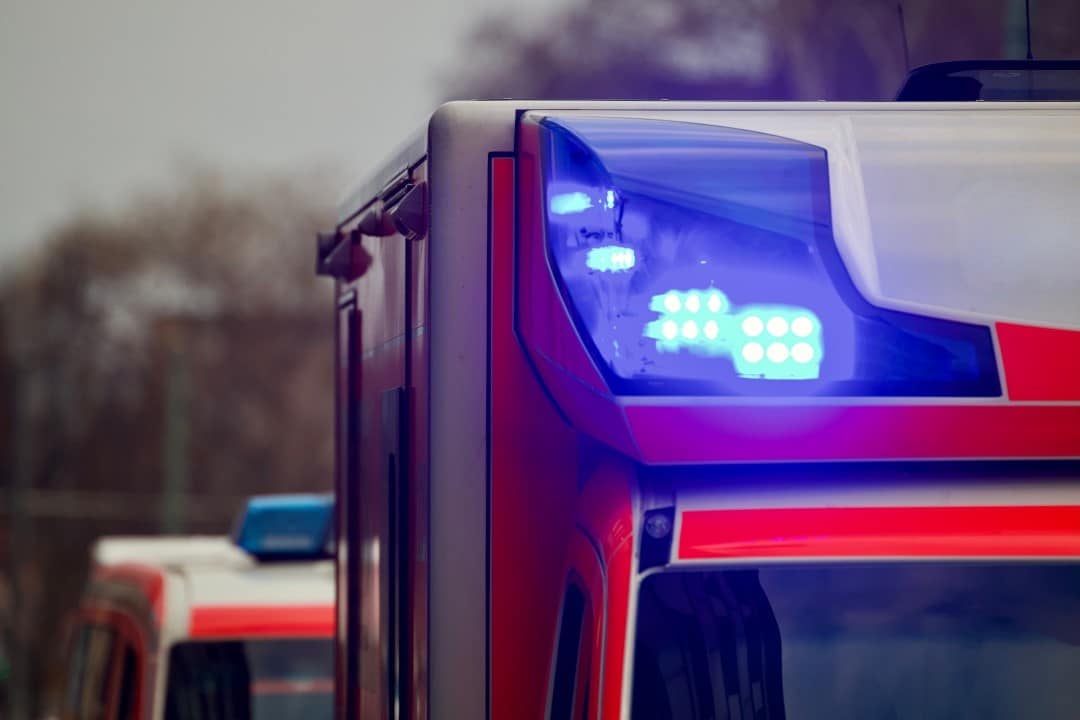
A series of tragic and unexpected events culminated in the death of a 31-year-old man on the A1 Motorway, in the Mealhada region, in Portugal. The victim was run over by an ambulance from the Mealhada Volunteer Fire Department, which had been called to offer assistance following a previous crash. The incident, which occurred on Wednesday night, raises questions about the complex circumstances surrounding accidents on freeways and the care of disoriented individuals.
Unusual circumstances that preceded the tragedy on the highway
The sequence of events began with a crash of the vehicle driven by the victim on the A1, heading south/north. Reports from other drivers to the GNR indicate that the man was driving erratically, with the car traveling “with the lights off” shortly before the main incident. The situation became even more complicated when the first rescue team arrived at the scene.
An ambulance passing through the area attempted to provide first aid to the driver. However, according to the commander of the Mealhada Volunteer Fire Department, Nuno João, the man reacted aggressively. He allegedly insulted the corporation’s crew and punched and kicked the ambulance, forcing the team to withdraw for safety reasons and report the situation to the competent authorities.
Dangerous walk and first warnings on the highway
After the confrontation with the rescue team, the man left the scene and began walking along the A1 motorway, barefoot and wearing inappropriate clothing. He was seen bare-chested, wearing swimming trunks and no shoes, moving south along the carriageway. This conduct alarmed other drivers, who promptly alerted the emergency number 112.
Witnesses reported that the man’s behavior was extremely dangerous, with indications that he was “trying to throw himself onto cars”. Before the fatal collision, he was hit by the rear-view mirror of a van, whose driver also contacted the authorities to report the incident, highlighting the escalation of the seriousness of the situation.
The moment of the fatal collision by the rescue team
The fatality occurred about a kilometer and a half beyond the initial screening location. The same Mealhada Volunteer Firefighters ambulance, which had been dispatched to respond to the first alert and had been attacked minutes before, found the man on the road again. According to the testimony of commander Nuno João, the collision occurred when the victim threw himself in front of the emergency vehicle.
“As our ambulance was passing by, he threw himself forward. There was nothing to do to avoid it”, described Nuno João, highlighting the unpredictable and uncontrollable nature of the final incident. The rescue team, which was on its way to provide assistance, found itself in an extreme situation where the collision became inevitable, resulting in the man’s death.
Challenges and protocols for care in extreme situations
Cases like the one on the A1 illustrate the complex layers of risk and unpredictability that emergency services face, especially in high-speed environments like motorways. A victim’s disorientation or aggressiveness can turn a rescue mission into a dangerous scenario for everyone involved.
- Safety protocols for emergency teams are rigorous, but situations where the victim themselves poses a threat require exceptional and difficult coordination. It is essential that authorities assess the situation to ensure the safety of rescuers and other drivers. Difficulties include:
- The unpredictability of the victim’s behavior in an altered state.
- The high risk of new collisions on expressways.
- The need to ensure the safety of the team before starting the service.
- Coordination with police forces for scene control and protection.
Investigation underway to clarify the fatality
The exact circumstances that led to the man’s death are under rigorous investigation. The GNR is in charge of investigating all the details of the succession of events, from the initial crash and erratic driving, through the attack on the first rescue team, the walk along the highway, and the fatal run over by the ambulance.
Authorities seek to clarify the chronology and contributing factors behind this unusual tragedy. The case highlights the complexity of interventions in emergency scenarios that involve unpredictable human behavior, adding a layer of challenge to the already risky work of rescue teams.