

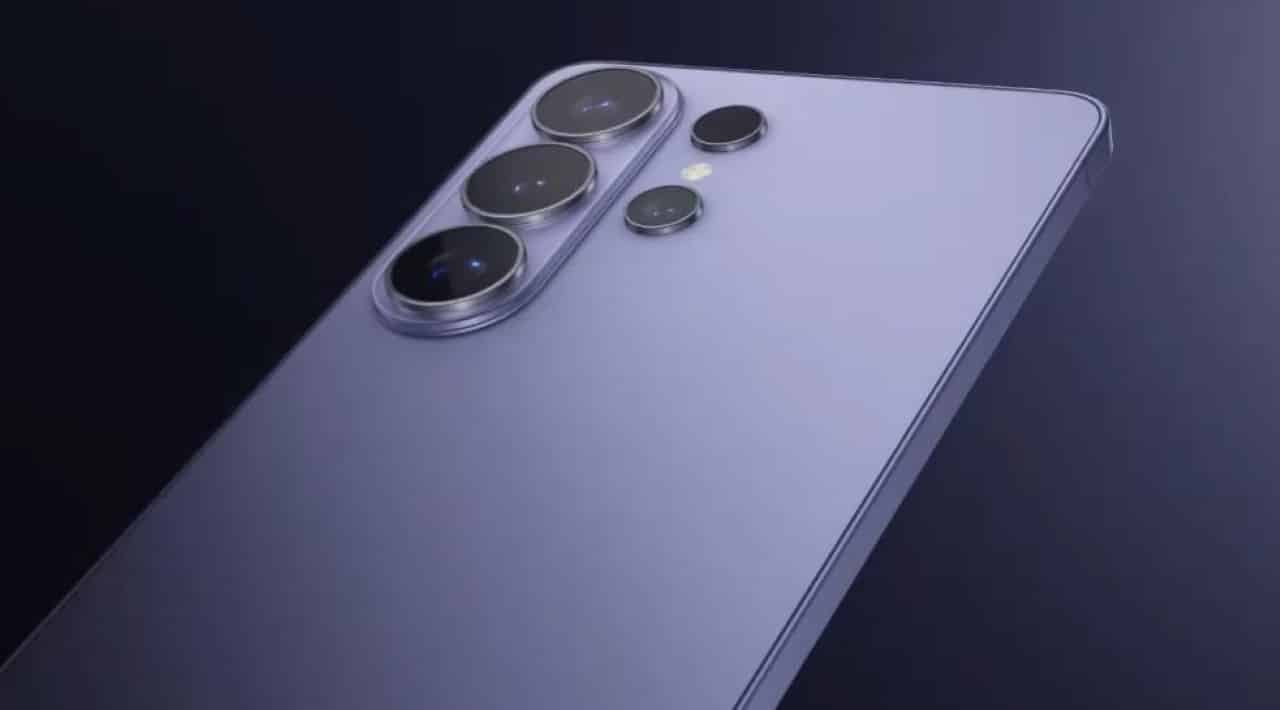
Samsung may be preparing to reuse the same main camera sensor in its next smartphone, the Galaxy S27, marking the sixth consecutive year with the same component. This strategic decision, expected for the launch of the standard model next year, is primarily aimed at reducing costs and providing an even greater distinction in relation to the Ultra version. The initiative takes place against a backdrop of rising prices for memory components, driven by growing demand for artificial intelligence.
Reports from specialized information technology outlets, such as Android Headlines, indicate that Samsung Electronics is unlikely to introduce major innovations to the camera and screen of the standard Galaxy S27. This conclusion is based on the absence of confirmations about significant improvements in these sectors throughout the device component supply chain.
Currently, the standard Galaxy S series, starting from the S22, employs the 50-megapixel Samsung GN3 sensor for its main camera. If this same component is maintained until the Galaxy S27, the South Korean company will complete a period of six years using the same sensor technology in its basic models.
Samsung’s strategy for its Ultra models
Market analysts suggest that Samsung Electronics seeks to intensify the differentiation of its Ultra models, while keeping the costs of the standard version at a more affordable level. This approach seems to have an impact on sales, with the proportion of Ultra models growing consistently in the Galaxy S line. The company is betting on the perception of superior value of the more expensive line.
The recent increase in memory prices, stimulated by heavy investment in artificial intelligence data centers, has had a major impact on the industry. Demand for high-bandwidth memory (HBM) for servers is at an all-time high, and the ongoing shortage of DDR5 drives up costs for all smartphone manufacturers. Apple CEO Tim Cook himself has already publicly expressed the pressure on prices due to limited memory supply, showing that the challenge is not exclusive to Samsung.
Cost challenges and the search for competitiveness
For smartphone manufacturers, the incentive to control expenses is growing, postponing the replacement of components such as camera sensors, while the values of crucial items such as processors (APs), memory and screens continue to rise. However, keeping the same sensor for a long period of time does not automatically mean a loss of competitiveness. Google, for example, is widely praised for its advanced software image processing technology, having used the same 12-megapixel camera sensor in several models in its Pixel line, from the Pixel 2 to the Pixel 6.
The ability to convince consumers is fundamental in this scenario. With Chinese smartphone makers increasing the competitiveness of their cameras through sensors larger than 1 inch, Samsung Electronics faces the challenge of standing out. The company will have to increasingly rely on artificial intelligence-based image processing and software optimization to differentiate itself, rather than relying exclusively on hardware upgrades.