

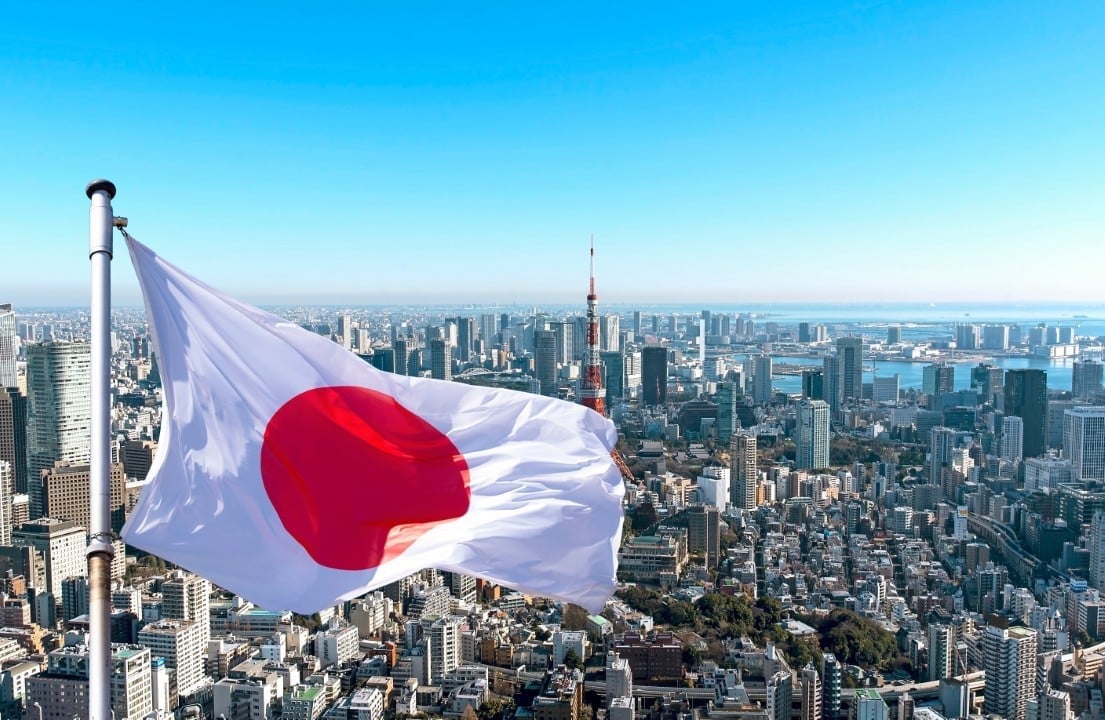
Japan announced a significant increase in fees for obtaining entry visas for foreigners, the first increase in almost five decades. The change, which fivefold current values, occurs in a scenario of strong recovery and record growth in tourism in the country, driven, in part, by the weakening of the yen.
Historic adjustment in Japanese visa fees
The new visa fees, which have not been updated since 1978, represent a substantial increase for travelers and other foreigners. From now on, the fee for a single entry visa will jump from 3,000 yen to 15,000 yen. In the case of visas that allow multiple entries, the cost will go from 6 thousand yen to 30 thousand yen. These figures are equivalent to an increase from R$95 to R$480 and from R$190 to R$960, respectively, in the current price.
Reasons behind the increase and post-pandemic tourism boom
The Japanese government justifies the adjustment by claiming the need to reflect variations in inflation and exchange rates over recent decades. In addition, authorities compare their new costs with those of Western countries, which traditionally have higher rates. The decision should not, according to the government, impact the interest of tourists, who have flocked to the country.
Japan’s popularity as a tourist destination has soared in recent years. In 2025, the country received a record of more than 42 million foreign visitors, significantly surpassing the almost 32 million registered in 2019, before the outbreak of the Covid-19 pandemic. This exponential growth is partially attributed to the devaluation of the yen, which makes travel more affordable for those carrying other strong currencies.
Administrative costs and the growing foreign population in the country
Additional revenue from the new visa fees will go towards covering rising administrative costs. These expenses are directly linked to the increase in the number of foreigners living in Japan. Currently, the resident foreign population totals around 4 million people, representing just over 3% of the archipelago’s total inhabitants.
Legislation approved last month by the Japanese Parliament already provided legal permission for visa fees to be increased by up to 30 times through government executive orders. This point contextualizes the current increase as a step within a much larger margin of possible adjustment, indicating flexibility for future revisions according to the country’s administrative and economic needs.
The impact for Brazilians who want to visit Japan
For Brazilian tourists, the increase represents a considerable additional cost when planning their trip. If previously the value of a single entry visa was equivalent to less than R$100, now it is close to R$500. Although the weakened yen makes other expenses for accommodation and food more advantageous, the entry fee stands out as a new major item in the budget.
Highlights of the current scenario in Japan
- Historical readjustment:First increase in visa fees since 1978.
- New values:Single entry visa goes from 3,000 to 15,000 yen (R$95 to R$480).
- Multiple entry visas:Cost rises from 6 thousand to 30 thousand yen (R$ 190 to R$ 960).
- Tourism record:More than 42 million foreign tourists in 2025.
- Foreign population:Around 4 million residents, which require more administrative costs.
- Legal basis:Bill allows future adjustments of up to 30 times.
The measure reflects Japan’s strategy to adapt to the new reality of a massive influx of foreigners, both tourists and residents. At the same time, it seeks to offset internal costs without losing the attractiveness that the country has achieved globally.