

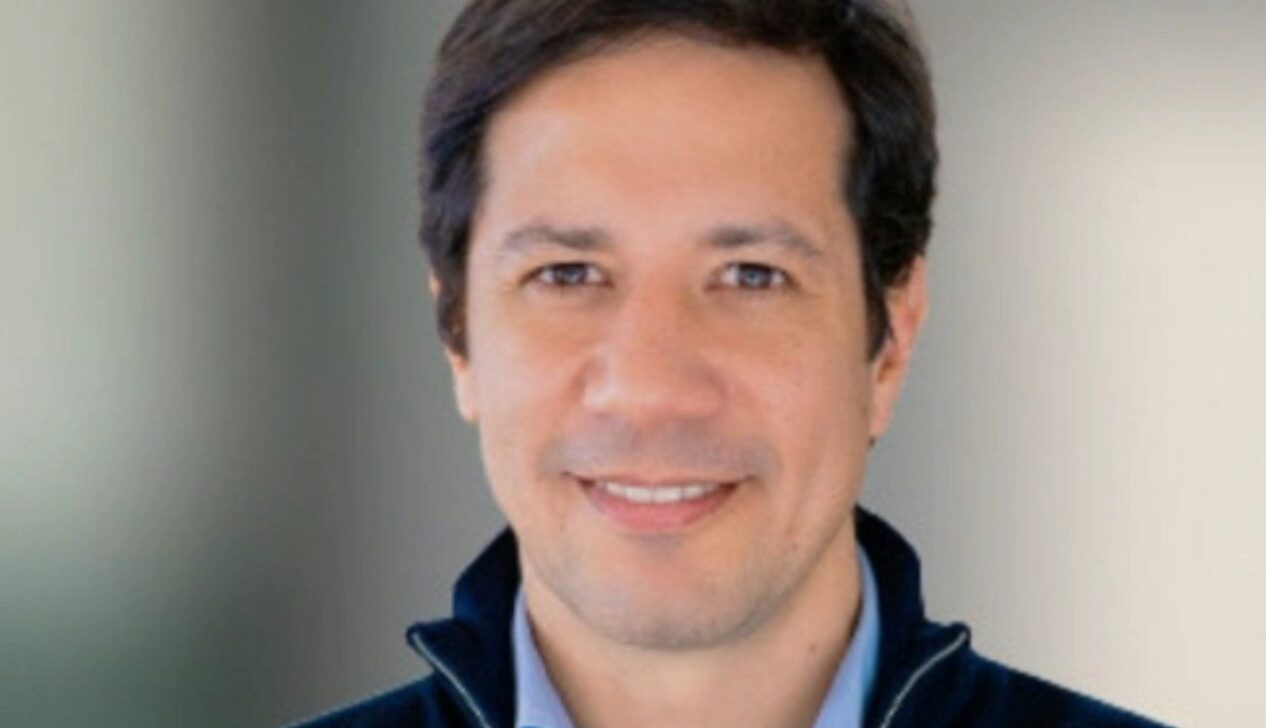
The Dutch giant Heineken announced this Tuesday, 23, the appointment of Brazilian Rafael Oliveira to the positions of executive president (CEO) and chairman of the board of directors. This decision is a historic milestone, as it represents the first time that the brewery has chosen a leader from outside its internal structure, a move that reflects the alcoholic beverage sector’s search for renewed leadership to boost sales in a complex market, marked by recent cuts of 6,000 jobs at Heineken itself due to decreased demand.
Oliveira currently holds the position of CEO at JDE Peet’s, a Dutch coffee and tea producer, since 2024. He will assume leadership of Heineken, the second largest brewer on the planet, for a four-year term, starting on October 1st, with the expectation of boosting the company’s strategy already outlined for 2030.
In an official statement, Heineken highlighted that, after an exhaustive global search, the supervisory board unanimously chose Rafael Oliveira, praising his rare combination of strategic vision, operational experience and acute financial acumen.
The market response was positive, with Heineken shares recording an increase of approximately 3%, outperforming the general market and reaching their highest level since March.
Previously, the lack of clarity regarding the future leader of the manufacturer of labels such as Tiger and Sol, in addition to its own lager beer of the same name, had generated instability and impacted the value of the company’s shares.
The departure of former CEO Dolf van den Brink, who led Heineken for six years, was announced unexpectedly in January, leaving the position of executive chairman vacant since the beginning of June.
Discover the professional trajectory of Rafael Oliveira, the new leader of Heineken
With a solid academic background, Rafael Oliveira, also known as Rafa, has a bachelor’s degree in Economics from the Pontifical Catholic University of São Paulo and an International MBA from the University of Chicago.
His professional journey began in Brazil, working in the Equity Research divisions at Banco Icatu and Banco BBA-Credinstalt. He later dedicated a decade to the Goldman Sachs Group, where he held different senior leadership positions.
Oliveira’s international experience includes periods of work and residence in the United Kingdom, Australia and also in Hong Kong.
The Dutch brewery highlighted that Oliveira has two decades of experience in both consolidated economies and growing markets, in addition to a proven track record in executing assertive strategies and increasing business performance.
Before his time at JDE Peet’s, the executive served as president of international markets at Kraft Heinz, where he remained for a decade.
In a released statement, Oliveira expressed that Heineken’s strategy for 2030, which aims for expanded growth with resource optimization, represents a firm foundation for the company’s future. “I am convinced that we will accelerate growth, boost productivity and prepare Heineken for the future, winning the hearts of consumers around the world,” said the new CEO.
Challenges and expectations in the transition from the coffee sector to beer
Market experts point out that, in addition to robust experience in the consumer goods segment, Oliveira also brings with him a background in capital markets. This combination is seen as a differentiator to satisfy Heineken investors who are dissatisfied with recent returns.
During his short period of just 17 months at JDE Peet’s, a leading multinational in the coffee sector, Oliveira “displayed a remarkable ability to diagnose problems and realign strategies quickly”, as highlighted by Laurence Whyatt, an analyst at Barclays.
However, an observation raised by some analysts is Oliveira’s lack of experience with the particularities of the beer and alcoholic beverages segment, which could constitute a risk factor in his new venture.
“As a professional coming from outside both the beer industry and Heineken itself, he will have a challenging road ahead to prove his worth,” ING analysts commented in a report.
The new CEO will have the complex task of leading Heineken in implementing a plan that includes cutting 6,000 jobs, revitalizing sales volume in a scenario of projected declines in global demand for beer and seeking to match returns for investors from competitor Anheuser-Busch InBev. This scenario is aggravated by sectoral challenges such as the rising cost of living, changes in alcohol consumption patterns, growing concerns about the impacts of alcohol on health, and the emergence of new threats, such as weight loss medications, which can directly influence alcohol consumption.