

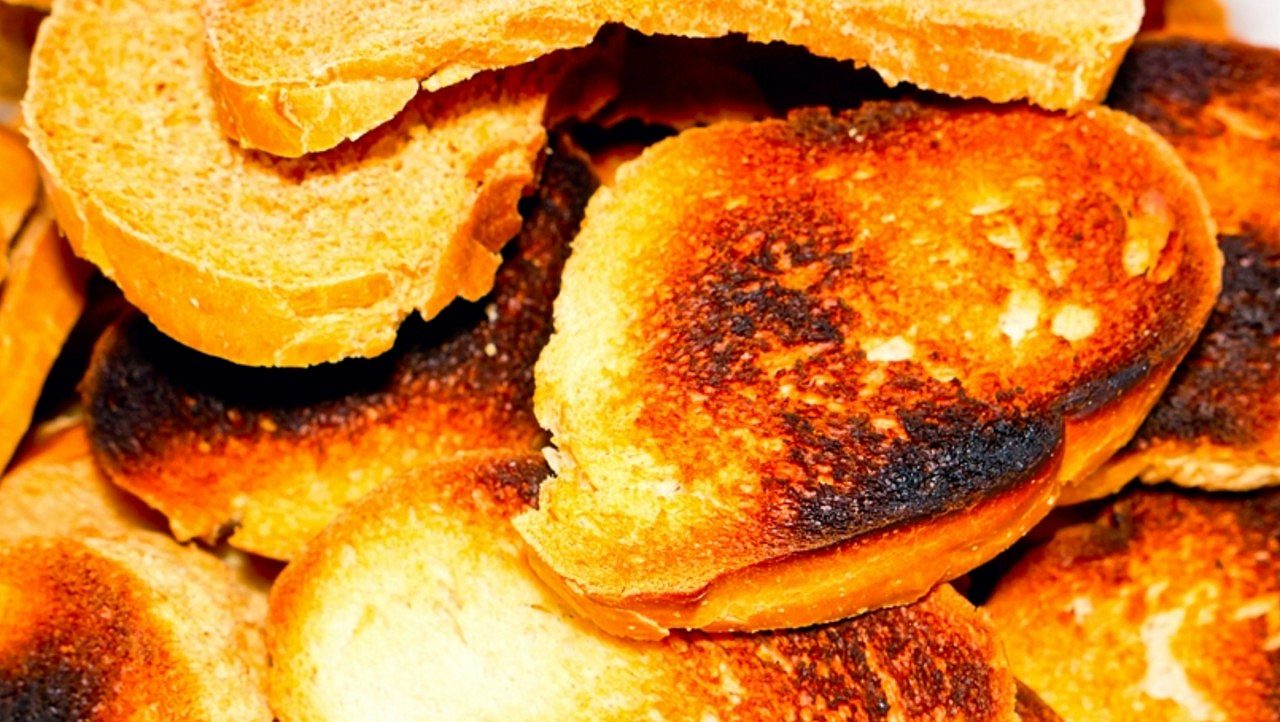
The National Health Surveillance Agency (Anvisa) issued new guidelines this Tuesday, aiming to reduce the formation of acrylamide, a compound with possible carcinogenic action. The substance appears mainly when foods rich in carbohydrates, such as potatoes, bread and coffee, are exposed to high temperatures during cooking, an alert that follows public health concerns already monitored by international regulatory bodies.
Acrylamide, identified in 2002, is the subject of extensive investigations due to its potential health risks, including the possibility of developing cancer and neurological impacts. This substance is generated by the same chemical reaction that gives the golden color and peculiar flavor to baked and fried foods. Anvisa emphasizes that the concentration of acrylamide in foods increases proportionally to the intensity of the temperature and preparation time.
According to the classification of the International Agency for Research on Cancer (IARC), linked to the World Health Organization (WHO), acrylamide is in category 2A. This classification designates substances as “probably carcinogenic,” meaning there is limited evidence of their carcinogenicity in humans but consistent data from animal research.
Category 2A is located just below 1A, which includes compounds with proven carcinogenicity, such as alcohol and tobacco. Within the same 2A classification, there are other substances present in everyday life, such as red meat. For this food, the National Cancer Institute (Inca) recommends a maximum weekly consumption of 500g, equivalent to approximately three servings.
Anvisa clarifies that, in the food industrialization process, the formation of acrylamide can be mitigated. This occurs through tactics such as rigorous selection of raw materials, precise control of thermal processes or even the application of enzymes that prevent the substance from appearing during production.
However, the agency highlights that acrylamide can also develop in the home kitchen. Notable examples include toast with darker crusts or French fries that take on an excessively golden hue.
Therefore, Anvisa provides guidelines for the selection and preparation of ingredients, seeking to minimize excessive intake of acrylamide as much as possible. These recommendations are aimed at both the general population and food establishments, such as restaurants, bars and cafeterias.
Anvisa’s tips for reducing acrylamide in the kitchen
- Choose prepared potatoes cooked in water or steamed, methods that do not encourage the formation of the substance.
- When subjecting foods with a high sugar content, such as potatoes, cookies, cakes and bread, to processes such as roasting, grilling, frying or toasting, use mild temperatures, ideally below 180ºC.
- Carefully monitor the cooking point, looking for a gently golden color and avoiding any dark brown tones.
- Store potatoes outside the refrigerator and, if possible, in a place with low light, to inhibit the increase in reducing sugars that contribute to the formation of acrylamide.
- Before frying or roasting cut potatoes, soak them in water with vinegar for a period of 15 to 30 minutes, or boil them quickly; This measure helps reduce the creation of the substance.
- For the preparation of bread, a longer fermentation process can help reduce the formation of acrylamide during baking.
- Carefully observe the manufacturers’ recommendations, especially regarding suggested temperatures and cooking times.
The Food and Drug Administration (FDA), the food regulatory body in the United States, also advises the adoption of practices to prevent the ingestion of acrylamide. The agency details that the substance arises from a chemical reaction between sugars and asparagine, an amino acid, at high temperature, present in foods derived from potatoes and grains. Therefore, the danger increases during cooking methods such as frying, toasting and roasting.
“Studies have shown that acrylamide can induce cancer in animals exposed to high doses. Although there are no conclusive epidemiological data on the impact of dietary acrylamide on human cancer, the US National Toxicology Program and the Joint FAO/WHO Expert Committee on Food Additives (JECFA) classify acrylamide as a public health concern,” the FDA said in its statement.
Other foods and habits related to cancer
Despite ongoing debates about acrylamide, other elements have a more robust link to the development of cancer. The National Cancer Institute (Inca), in its preventive recommendations, points out five main ones: red meat, processed meats, ultra-processed foods, alcohol and drinking drinks at very high temperatures.
Even more worrying, in group 1A — of items with proven carcinogenicity — are embedded or processed meats, ultra-processed foods and alcohol. For these, there is no established safe consumption limit, and the guideline is to avoid intake as much as possible.
Red meat, in turn, is included in category 2A, as “probably carcinogenic”. This classification is mainly due to studies that demonstrate a strong association between high consumption and the appearance of colorectal, pancreas and prostate tumors in animal tests.
According to the Inca, red meat is rich in vital nutrients, including vitamins and minerals. However, it contains heme iron, present in red blood cells and muscle cells, which in excessive amounts can increase the risk of cancer. Hence the recommendation to restrict your consumption to 500 grams per week.
Extremely hot drinks also fall into category 2A, due to the association with an increased risk of esophageal cancer. The Inca emphasizes that the crucial factor is the temperature, suggesting that it be below 60ºC at the time of ingestion. To achieve this, the entity recommends turning off the heat as soon as gaseous bubbles begin to form at the base of the pan or kettle, waiting five minutes before transferring the drink to a thermos or consuming it.