

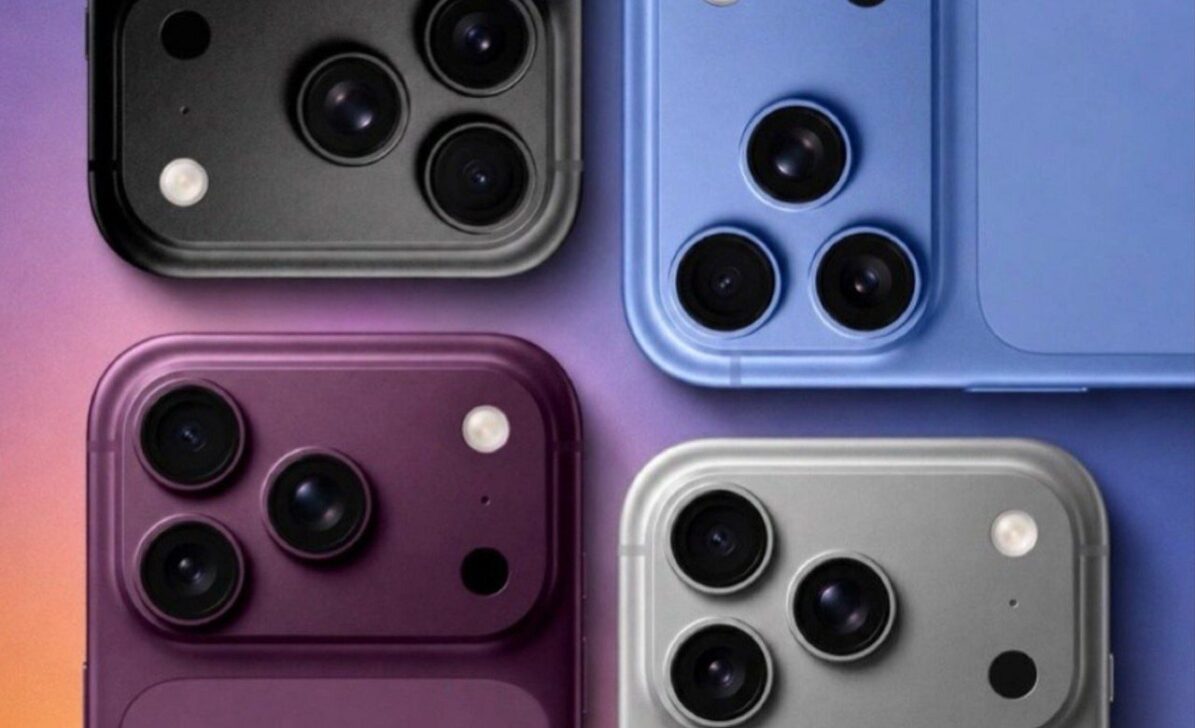
The launch of the iPhone 18 Pro is approaching, and new details indicate that Apple is preparing one of the biggest overhauls of its camera system. Industry experts point to a more robust camera platform, which will become thicker to accommodate improved and larger photo sensors. This structural change aims to increase the quality of the images, but it also implies a notable change in the device’s design.
Camera redesign promises improved photos
Apple’s next generation of premium cell phones, the iPhone 18 Pro and iPhone 18 Pro Max, are expected to feature a 48-megapixel triple camera array. This arrangement will include a main lens with variable aperture, an ultra-wide-angle sensor with improved optical image stabilization, and a periscopic telephoto lens. These technical specifications represent a significant leap in the devices’ photographic capabilities.
To integrate these cutting-edge components, which require a larger internal volume, the iPhone’s rear structure will need to be adapted. The variable aperture functionality, for example, allows the user to control the amount of light that reaches the sensor, a feature previously common only in professional cameras.
New dimensions and impact on device ergonomics
The latest information details that the total thickness of the iPhone 18 Pro Max, including the camera bump, could reach 13.77mm. This value represents an increase compared to the 12.92 mm of the iPhone 17 Pro Max, as pointed out by analysts such as YouTuber Vadim Yuryen and informant Digital Chat Station. The need for a 48MP ultrawide sensor with variable aperture is the main factor behind this change.
This change in design, although necessary to improve photographic capabilities, may have an impact on the user experience. A greater thickness can influence the device’s footprint, the way it fits in pockets and bags, and even its stability when placed on flat surfaces. For many users, the balance between the aesthetics and functionality of the camera is a crucial factor in the purchasing decision. Historically, Apple has pursued innovations in cameras that have often been accompanied by adaptations to the body of iPhones, as seen in previous generations that gradually enlarged the camera module to optimize lens quality.
Screen and chip innovations boost performance
In addition to camera improvements, the iPhone 18 Pro and Pro Max models should incorporate Samsung’s M16 LTPO+ OLED screen technology. This 10-bit panel will replace the blue fluorescent OLED material with a phosphorescent one, resulting in a notable gain in energy efficiency. The screen will also have the ability to dynamically adjust its refresh rate, ranging from 120Hz for gaming and smooth scrolling to 1Hz for still images.
The new devices will also come equipped with the A20 Pro chip, promising even higher performance. Additionally, the inclusion of Apple’s new C2 modem will bring support for 5G mmWave and a series of features related to satellite connectivity, expanding communication possibilities in remote areas. Persistent rumors also suggest a smaller Dynamic Island, the result of relocating Face ID components below the screen, optimizing front space.
Colors and resistance: details of the external finish
Apple plans to offer the iPhone 18 Pro and its Pro Max companion in four distinct color options, seeking to renew the line’s visual appeal. Expected shades include:
- Dark gray
- dark cherry
- Light blue
- Silver
To combat the color fading issue that has affected the aluminum frames of previous models such as the iPhone 17 Pro and Pro Max, the company will develop a new approach. This technique will involve lowering the melting point of the mixture and preventing the formation of a resin structure on the electrode surface, which should ensure improved corrosion resistance and greater color durability.
Prices and the future of the iPhone market
The expectation is that the iPhone 18 Pro will start selling for a starting price of $1,399, a significant increase compared to the base price of $1,099 for the iPhone 17 Pro. This possible increase in prices was anticipated by statements from Tim Cook, Apple’s CEO, who mentioned that memory prices, due to the shortage of components, had become “unsustainable”, and that readjustments would be “inevitable” for the company. Mark Gurman, from Bloomberg, reinforced the urgency of the situation.
The price increase scenario reflects a broader trend in the technology market, where production and component costs have been impacted by global factors. For consumers, this means an even greater investment in a premium smartphone, which can influence the purchasing strategy and the search for alternatives on the market. This move by Apple aligns with a history of adjustments to cutting-edge models, especially when they introduce disruptive innovations that justify the added value.