Learn how to differentiate physical activity and physical exercise and their importance for your health in everyday life
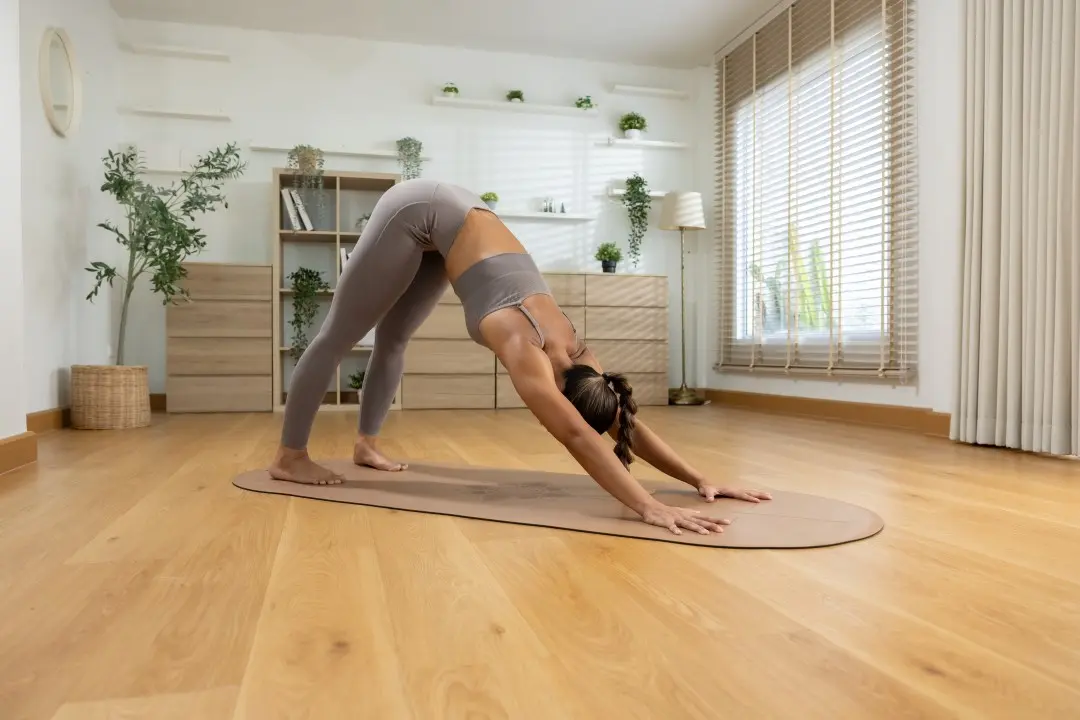
Although often used as interchangeable terms, physical activity and physical exercise have important distinctions. Simple everyday actions, such as getting up, interacting with a pet or taking care of the house, exemplify physical activity, but do not constitute structured exercise. It is essential to understand this separation.
Professor Danielle Arisa Caranti, from the Institute of Health and Society at the Federal University of São Paulo (ISS/Unifesp), clarifies that physical activity encompasses any movement generated by skeletal muscles that requires energy consumption greater than that at rest. In contrast, physical exercise is characterized by being a form of physical activity with specific planning, involving defined intensity, frequency, volume and duration, with the purpose of improving or preserving physical fitness.
Thus, although all physical exercise is inherently a physical activity, the reverse is not true. Daily tasks such as using stairs, walking to a store or doing housework are classified as physical activities. In turn, physical exercise involves intentional and programmed actions, such as weight training sessions, running or swimming classes.
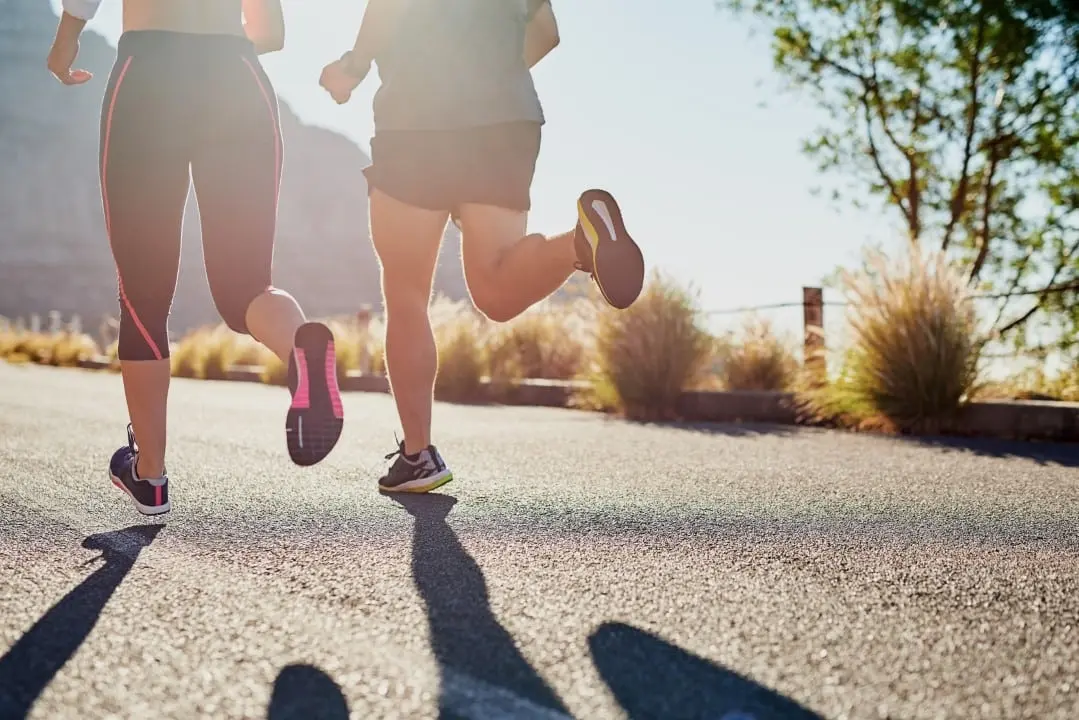
The importance of both practices for the general health of the body
According to Caranti, the relevance of both activity and physical exercise lies in maintaining an active lifestyle, contributing to a favorable energy balance, managing body weight and optimizing physical fitness.
The expert highlights that, in the last twenty years, epidemiological studies have highlighted the unequivocal connection between the lack of physical activity and the increase in several risk factors associated with obesity and metabolic syndrome.
The World Health Organization (WHO) highlights that regular physical activity plays a crucial role in preventing chronic non-communicable diseases, including diabetes, cardiovascular diseases and various types of cancer. Additionally, it provides benefits to mental health, mitigating manifestations of anxiety and depression.
Leia Também

Messi reaches 19 goals in FIFA World Cups with great free kick for Argentina in clash with Jordan

Cristiano Ronaldo shines beyond the pitch at the 2026 World Cup with business empire and family luxury

At 41, Cristiano Ronaldo reaffirms his historic legacy and prepares to shine in the 2026 World Cup
Exercise does not eliminate the impact of sedentary behavior
The concept of sedentary behavior refers to the period in which the body expends little energy, generally in positions such as sitting or lying down.
Professor Caranti illustrates that such activities usually occur in front of electronic devices, such as computers, televisions, cell phones and tablets. They also include time spent sitting when traveling in vehicles, public transport or performing manual tasks, card and board games.
It is possible that individuals who exercise frequently still exhibit sedentary behavior. For example, someone who dedicates an hour a day to the gym, but spends the rest of the day inactivity, characterizes a sedentary pattern.
Caranti emphasizes that carrying out physical activities is not enough to completely negate the adverse effects of prolonged time spent in sedentary behavior. Consequently, in addition to integrating physical exercise into your routine and increasing overall physical activity, it is equally crucial to reduce the time spent sedentary.
Strategies to reduce time spent in sedentary behavior
The professor mentions the Physical Activity Guide for the Brazilian Population, a publication from the Ministry of Health, as a valuable resource for promoting healthier habits and mitigating sedentary behavior. She also suggests some tactics to increase daily movement:
- Limit the time spent sitting or lying in front of the television or using electronic devices.
- Perform brief movements, lasting at least 5 minutes, every hour of inactivity, such as changing posture, getting up, going to the bathroom or stretching your body.
- Expand your travel distance, choosing, for example, to walk short distances.
- Prioritize forms of outdoor leisure that encourage movement.