

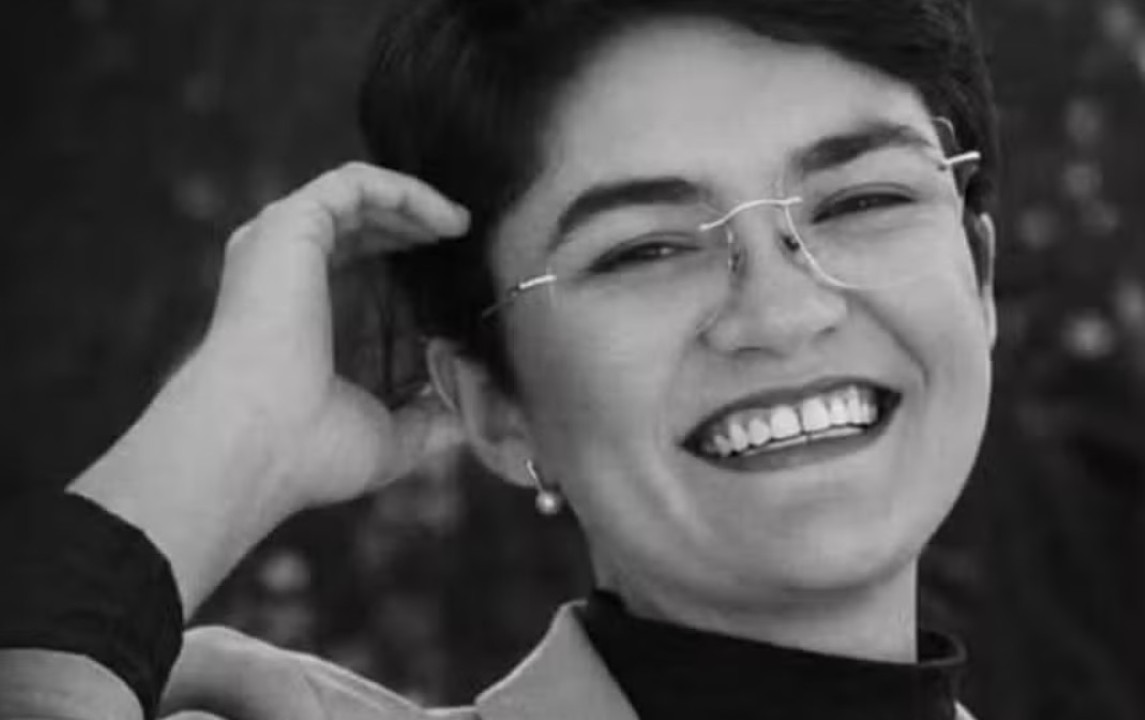
A young medical student, Maria Caroline Azevedo Freitas, aged 29, died on Tuesday night (25) after a serious traffic accident. The incident occurred over the weekend in the city of Ponta Porã, in Mato Grosso do Sul, and resulted in serious injuries that led to her hospitalization. The student’s family made the noble decision to authorize the donation of her organs, offering hope to other lives.
The serious accident and hospitalization in Dourados
Maria Caroline was promptly hospitalized at Hospital da Vida, located in Dourados, after the accident involving a motorcycle. She had been under intensive care since the incident, which caused head trauma and multiple fractures in different parts of her body. The medical team dedicated efforts to stabilize his condition, but the severity of the injuries was high.
On Monday, procedures for confirming brain death began, a strict protocol that precedes the legal declaration of death in cases of irreversible loss of brain functions. The confirmation came on Tuesday night, marking the end of a battle for the young woman’s life. The exact circumstances of the accident in Ponta Porã have not yet been publicly detailed, which raises questions.
The importance of organ donation and the family gesture
Faced with the irreparable loss, Maria Caroline Azevedo Freitas’ family made the difficult and generous decision to authorize the donation of the student’s organs. This act of altruism transforms the pain of loss into a gesture of life, offering a second chance for patients waiting for a transplant. Organ harvesting will be carried out at Hospital da Vida, where the young woman was hospitalized.
Organ donation after brain death is an essential process for public health, as it allows patients on transplant waiting lists to have access to procedures that can save or drastically improve their lives. This is a moment when human solidarity manifests itself more fully, highlighting the value of family decisions.
- To understand the relevance of this act, it is important to consider the main benefits and the process involved:
- Saves lives:A single donor can benefit multiple people, saving lives who depend on a transplant of vital organs such as heart, lungs, liver and kidneys.
- Improves quality of life:Organs such as corneas and tissues can restore vision or mobility, transforming the lives of recipients suffering from chronic illnesses or injuries.
- Connects families:The donation creates a link of hope between the donor’s family, who finds solace in the legacy of life, and the recipient’s family, who celebrates a new opportunity.
- Strict Process:Brain death is confirmed by a series of clinical and complementary exams, carried out by different doctors, ensuring the irreversibility of the condition before any capture procedure.
- Family authorization:The final decision always rests with the family, who is informed about all aspects of the donation process, highlighting the importance of prior dialogue on the topic.
The scenario of motorcycle accidents in Brazil
The tragic death of Maria Caroline Azevedo Freitas reflects a persistent problem on Brazilian roads: the high number of accidents involving motorcycles. Motorcyclists represent a significant portion of traffic accident victims, with mortality and serious injury rates often higher compared to other modes. The combination of high speed, driver vulnerability and, sometimes, recklessness in traffic contributes to these alarming numbers.
Road safety data shows that motorcycle accidents are one of the main causes of hospitalizations and deaths in public hospitals, generating a considerable social and economic cost. Factors such as the lack of use of adequate safety equipment, the inexperience of some drivers and the precarious conditions of some roads amplify the risks. Awareness and monitoring are crucial tools to try to reduce this sad statistic, which annually claims thousands of lives across the country.
Awaiting clarification on the case in Ponta Porã
To date, authorities have not released detailed information about the circumstances that led to Maria Caroline’s accident in Ponta Porã. The lack of public data on what happened prevents a complete understanding of the dynamics of the events. It is common for traffic accidents with serious or fatal victims to be the subject of police investigation, seeking to determine responsibilities and contributing factors.
It is expected that, as investigations progress, more details will be made public, clarifying how the medical student was involved in the collision. Transparency in these cases is essential not only for the victim’s family, but also for the community, which seeks to understand the causes of such tragedies and, if possible, prevent them from recurring.
The legacy of the young medical student
The loss of Maria Caroline Azevedo Freitas represents a profound mourning for her family, friends and the academic medical community. At 29 years old, the young woman was training for one of the noblest professions, dedicated to caring for the health and well-being of others. Her untimely passing is a painful interruption to a promising future where she would certainly make a difference in the lives of many.
The family’s organ donation gesture, however, ensures that, even after her departure, the spirit of life and care that Maria Caroline cultivated as a future doctor continues to pulse in other people. This legacy of generosity becomes a comfort in the midst of sadness, honoring the memory of the student and the life she represented.